

5 Things I Tell My Patients About How to Prepare Emotionally for Retirement

Staff
By Staff
6 Min Read

2. Be Physically Active

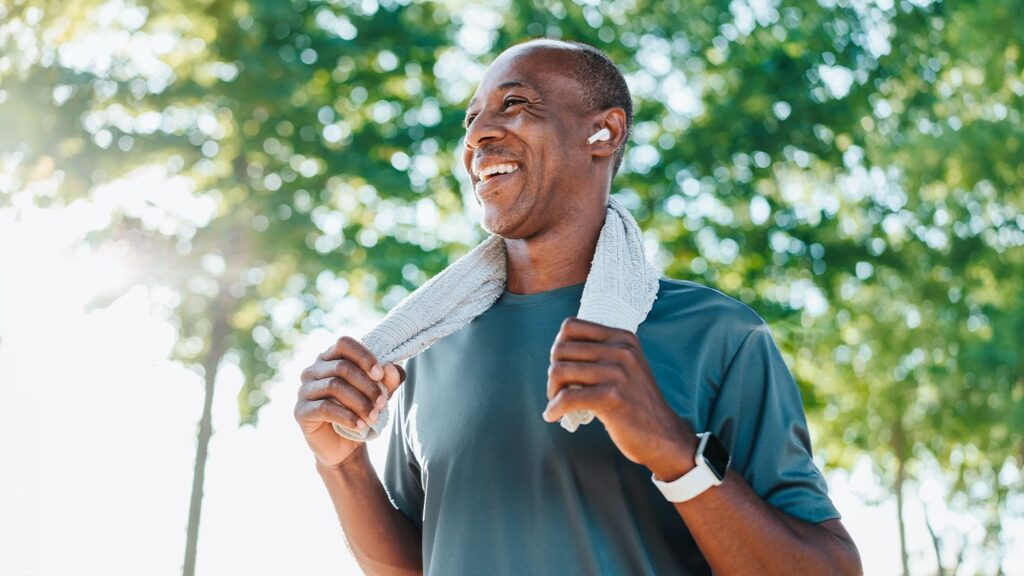
The impact of retirement on physical activity isn’t straightforward. Some studies have found retirement leads people to be more active, and some suggest it leads others to slow down. A study suggests it may depend on your occupation. The study showed that those who hold sedentary jobs experience an increase in physical activity in retirement but those who have more active jobs often experience a decrease in physical activity in retirement.

Regardless of your starting place, the most compelling aspect of this research is that it highlighted the importance of staying active in retirement. The authors noted that physical activity during retirement has been associated with improved physical health, lower rates of depression, better sleep, improved cognitive function, and overall higher quality of life.

Another study found physical activity decreased all-cause mortality, including death from cardiovascular disease, in older adults, in a dose-related way (which basically means, small amounts of exercise made a small but positive impact, and more exercise made an even bigger impact).

How to Do It Instead of viewing retirement as a time to slow down, consider it an opportunity to move, just maybe differently. Find enjoyable forms of movement you can sustain for years to come. Bonus points if the activity involves friends (see Tip 3!). Retirement may finally provide the time to prioritize the very habits that help you stay healthy enough to enjoy it.

3. Stay Social

Social connections are not just important for social health, but for mental and physical health as well. Indeed, earlier this year, a systematic review of over 30 studies on the topic found that loneliness was related to a number of poor health outcomes, including increased rates of mortality.
What’s more, loneliness in older adults has conversely been found to be linked to depression, anxiety, cognitive decline, cardiovascular disease, and loss of independence as we age.

How to Do It How much someone naturally socializes after retirement is impacted by a number of factors, including living with a spouse and involvement in community. If you live alone or are retiring before your spouse, you may have to put more effort into making regular social connections. This may look like playing a sport, like tennis or pickleball, being involved in the community, and regularly making plans with friends.

4. Create a Schedule

While the freedom that comes with retirement can be exciting, it can also lead people to feel lost. Having activities scheduled for the day, or having some kind of rhythm to the week — like, every Monday I lunch with friends — can set someone up for retirement success.

One study based on interviews with individuals 65 years and older, their family members, and health professionals who work with older adults notes that having some kind of schedule can be helpful in maintaining physical and mental well-being in retirement.

Importantly though, this study emphasized that different retirees define this differently. In other words, some people may like having a set schedule for the day while others may prefer having certain activities planned but also like having flexibility.

How to Do It When planning your week, start with any activities you have to do. Then consider what activities bring you joy and a sense of fulfillment. Last, commit to when you plan to do these things during the week. Some people may benefit from being specific about the day and time and others may rather just pick a general day and time. What’s essential is for people to tailor their routine, both what the routine consists of as well as how busy it is, to their liking.

5. Know That It May Be More of a Journey Than a Transition

Many people view retirement as a single event requiring an adjustment period. But a 2011 research paper outlined how this is probably incorrect. The researchers described how someone’s adjustment to retirement can fluctuate. This adjustment may not only change organically over time, but can be impacted by other factors, like concern over resources, loss of a spouse, and physical health.

This concept of retirement as a series of transitions rather than one single transition is now regularly used and discussed in retirement research, particularly as it is recognized that retirement itself can be a dynamic transition for some, rather than a single event.

What further complicates this is that adjusting to retirement is very individual and can be impacted by several factors, both in our control and out of our control. This means we can’t compare our adjustment to retirement to someone else’s.

How to Do It Just knowing this can be helpful. It can normalize a transition to retirement that’s more challenging than someone else’s. It can also make it less surprising if you’re enjoying retirement and all of a sudden feel less enthusiastic about it. This is normal, and leaning on all the other tips in this article may be helpful to improving your mood and well-being.

Read the full article here

Share This Article
Leave a comment

Leave a Reply

Your email address will not be published. Required fields are marked *