

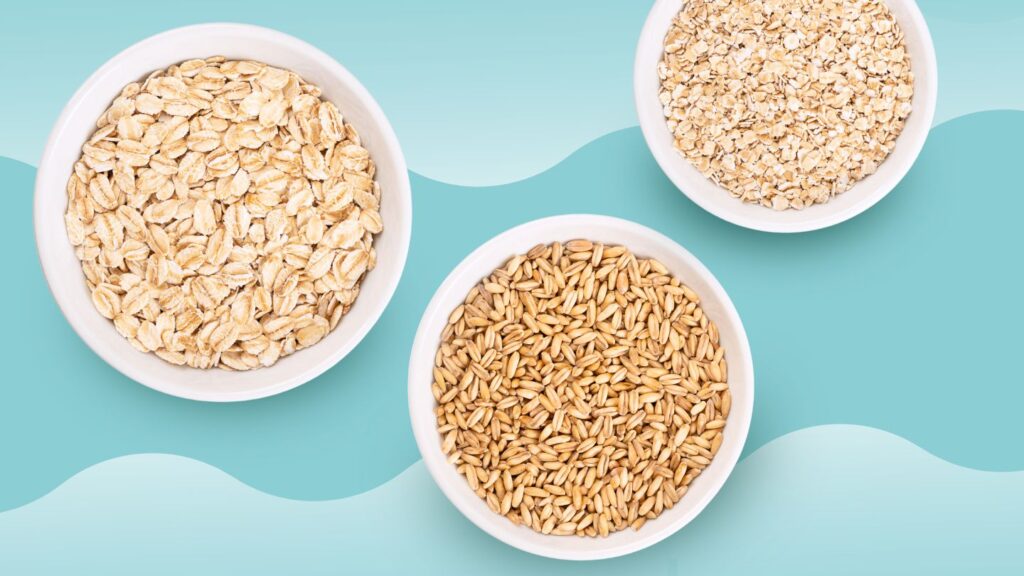
5 Types of Oats and How They Differ

Staff
By Staff
2 Min Read

You may have seen various types of oatmeal on store shelves and wondered what the difference is between, say, rolled oats, steel cut, and instant. Are they pretty much the same, or is one type of oatmeal better for you than another? What are the pros and cons of each in terms of nutritional value, convenience, and more?

In essence, all oats start out as whole seeds from the Avena sativa plant, a grain crop grown in cool, temperate regions like northwestern Europe, Canada, and the North American Midwest. After they’re harvested, these seeds go through processing changes that make them into unique types of oats.

“The inedible husk is removed, or hulled, resulting in oat groats,” says Danielle VenHuizen, RDN, the owner of Food Sense Nutrition, a nutrition counseling practice in Burien, Washington. “From there, oats can be processed into the different forms we know and love on the grocery store shelves.”

Since all oats start life as the same basic ingredient, all varieties of oatmeal offer health benefits and are nutrient dense, providing fiber, antioxidants, and a hint of plant-based protein. That said, different types of oats do have slight nutritional differences and offer their own advantages for cooking. Oats can be even more nutritious when you combine them with healthy mix ins like nuts, berries, and flaxseeds, while limiting oatmeal products that have sodium, saturated fats, added sugar, and other unwanted ingredients.

Read the full article here

Share This Article
Leave a comment

Leave a Reply

Your email address will not be published. Required fields are marked *