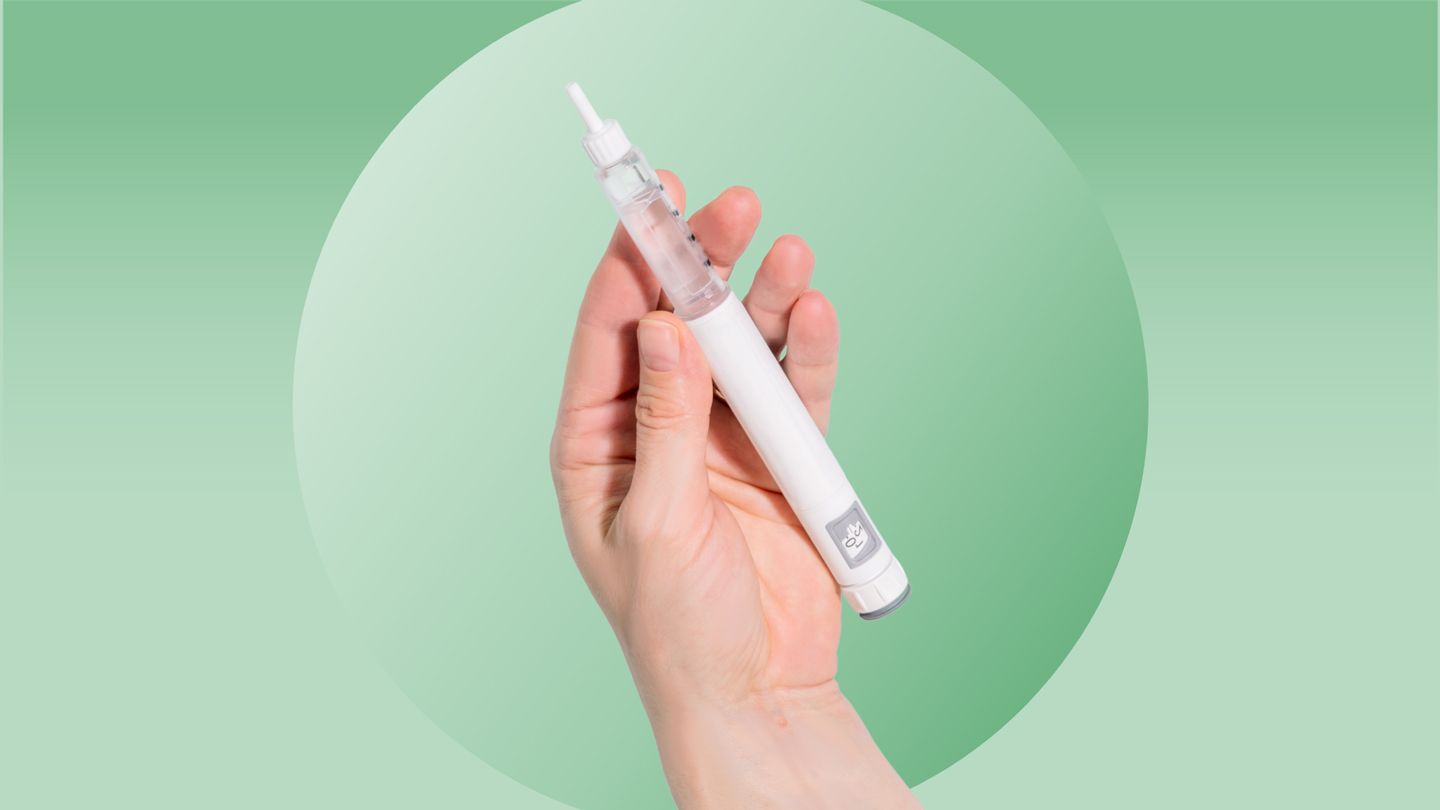
3. Myth: Biologics Are More Dangerous Than Steroids
Both steroids and biologics have risks. But they’re very different medications that are used in different ways to treat Crohn’s.
“They’re undoubtedly the riskiest of our treatment options for Crohn’s,” says Oldfield.
“For many patients with moderate to severe Crohn’s disease, the risks of uncontrolled disease and long-term steroid use are greater than the risks associated with biologic therapy,” says Dr. Patel.
4. Fact: Biosimilars Can Be Just as Effective, but Are Less Expensive
Much like generic versions of other brand-name drugs, a biosimilar can be an alternative to a brand-name biologic drug that costs less and has fewer insurance coverage barriers. “I usually choose the biosimilar if an insurer denies or refuses to cover a specific reference biologic. Prescribing an approved biosimilar is a standard and highly effective strategy to secure access to care,” says Patel.
Biosimilars are near-identical copies of approved biologic drugs. A biosimilar contains the same active ingredient and works the same way as its biologic counterpart. It’s also just as safe, and its efficacy is the same. So, it can be used interchangeably with its biologic counterpart, at a much lower cost to you.
5. Myth: Biologics Shut Down Your Immune System
Biologics do impact your immune system, but they don’t shut it down. Instead, they block specific parts of your immune system that drive inflammation in your GI tract.
Because biologics change how part of your immune system works, the medications can increase the risk for certain infections. But “for many patients, the benefits of controlling the disease [with a biologic] significantly outweigh the potential risks of therapy,” says Patel. “Uncontrolled Crohn’s disease … can lead to hospitalizations, surgeries, nutritional problems, and other serious complications.”
To keep your risk for infection in check, your care team will carefully monitor you and work with you to stay on top of your vaccinations. The Crohn’s & Colitis Foundation recommends the following vaccines:
- Flu
- COVID-19
- Pneumonia
- Herpes zoster
- Human papillomavirus (HPV)
- Respiratory syncytial virus (RSV)
- Tetanus, diphtheria, pertussis (Tdap)
- Hepatitis A and B
- Measles, mumps, and rubella (MMR)
- Varicella
You can also come up with a plan to address signs of a possible infection (like fever or coughing) quickly, before the infection becomes serious.
6. Fact: Finding the Right Biologic — and Seeing an Improvement — Can Take Time
“This usually means checking a stool test about three months after starting therapy and usually repeating an imaging study or colonoscopy about 6 to 12 months after starting treatment, depending on the particular medication,” says Oldfield.
If a biologic isn’t helping you or it starts to become less effective over time, you and your doctor can talk about trying another option. “It is relatively common for patients to try more than one biologic before finding the therapy that works best for them,” says Patel. In time, you’re likely to find a therapy that helps you feel better.
Read the full article here