4. Rinse Your Canned Goods
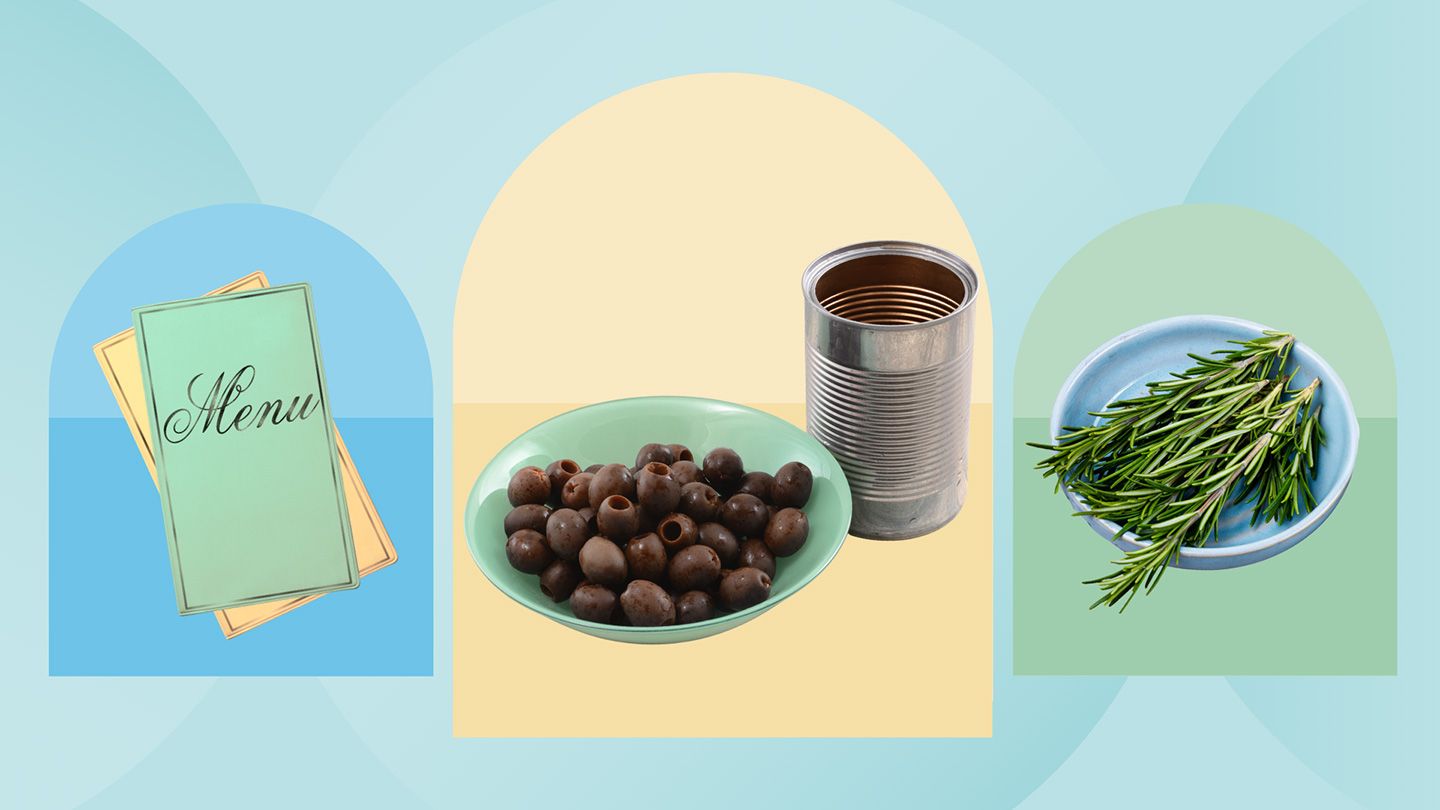
Reducing sodium in your diet doesn’t mean throwing away convenience. You can still use packaged foods like canned beans or vegetables. Opt for low- or no-sodium canned goods to reduce sodium levels. You can also rinse your canned food under water before cooking or eating to wash off some of the sodium.
5. Look for Low-Sodium Frozen Foods
When choosing frozen foods, use the same tips you’ve already learned — read the nutrition facts label, look for no- or low-sodium options, and be mindful of portion sizes. Frozen foods like fruit or prechopped vegetables that come without sauces or flavoring will usually have less sodium.
For frozen, microwaveable dinners, Consumer Reports says that an ideal frozen meal would have 700 mg or less of sodium. If you’re not sure which brand to turn to, they’ve curated a list of the best frozen meals while considering overall nutritional value, including sodium.
6. Ask for Low-Sodium Options at Restaurants
Reducing sodium while eating out can be tricky, but it’s not impossible. Ask your server whether nutrition information is available for the menu so you can choose a low-sodium option. You can also ask for your meal to be prepared without table salt. Ordering your sauces and dressings on the side instead of mixed into your meal can help you limit how much of the salty condiments you eat.
Be mindful of your portion size as well. Sometimes reducing sodium in your diet means eating smaller portions, especially when you’re not cooking at home. Consider taking part of your meal to go so you don’t eat the whole sodium-rich portion in one sitting.
7. Cook Without Salt but Keep the Flavor
Low- or no-sodium foods can still be flavorful. You can try a low- or no-sodium substitute like potassium chloride, which gives a salty flavor without adding sodium. Potassium also helps your kidneys get rid of sodium.
For healthy adults with normal kidney function, potassium chloride salt substitutes are considered safe. But if you have chronic kidney disease, reduced kidney function, heart failure, a history of high potassium levels, or you take certain medications, potassium chloride products can be harmful. Talk to your healthcare provider before you use these.
There are also many salt-free herb blends that rely on other bold flavors like garlic, onion, cumin, and paprika to keep your meal packed with flavor. Or you can make your own spice blends for more flavor.
To get the most out of your spices and herbs:
- Add fresh or dried herbs or ground spices toward the end of the cooking period so they don’t lose flavor.
- Use whole spices like pods and cloves for longer-cooking dishes.
- For cold foods like dips and dressings, add seasonings several hours before serving to intensify the flavor.
- Chop fresh herbs very fine and crush dried herbs before sprinkling them on food.
- Try a salt-free marinade or spice rub on meat.
A splash of vinegar or squeeze of lemon right before you serve can make food more flavorful without adding sodium.
Read the full article here