3. Sanitize Your Kitchen Sponge
A squishy, wet sponge is exactly the kind of environment where mold likes to grow, Wallace says. It’s also a hot spot for harmful bacteria that can cause intestinal and skin infections, like salmonella and E. coli. You can’t always tell how contaminated a sponge is by looking at or smelling it, so you’ll want to sanitize yours every few days.
Sticking your sponge in the microwave or putting it in the dishwasher can reduce the overall amount and diversity of bacteria. Soaking your sponge in 2 cups of water and 3 tablespoons of chlorine bleach, or in boiling water for five minutes, is also effective. Both Wallace and Dr. Davé also recommend replacing your sponge at least once a month.
4. Kick Off Your Shoes at the Door
Shoes pick up all kinds of things when you’re walking around on sidewalks and in public restrooms. In fact, Cleveland Clinic reports that most shoes have millions of bacteria on them, including germs like E. coli, Clostridioides difficile (known as C. diff), and methicillin-resistant Staphylococcus aureus (the potentially life-threatening superbug known as MRSA). Taking off your shoes at the door means you’re not tracking those germs inside your home, Wallace says.
5. Wash Your Water Bottle
Even if you only ever fill up your water bottle with water, it can get surprisingly germy. As we drink, we leave behind bacteria and food particles from our mouths. And if you’re opening and closing a lid or grabbing a straw at the top, germs on your hands can transfer to the spout. Airborne particles can land on an open cap, too.
6. Get the Air Moving
7. Disinfect Your Phone
According to a review of research, 54 studies found that our phones pick up germs like staph and E. coli. “They are reservoirs of bacteria,” Davé says.
Health experts recommend wiping your phone down once a day to reduce contamination. Davé says this is most important if you’ve been somewhere you’re likely to encounter pathogens like MRSA or C. diff., like a hospital.
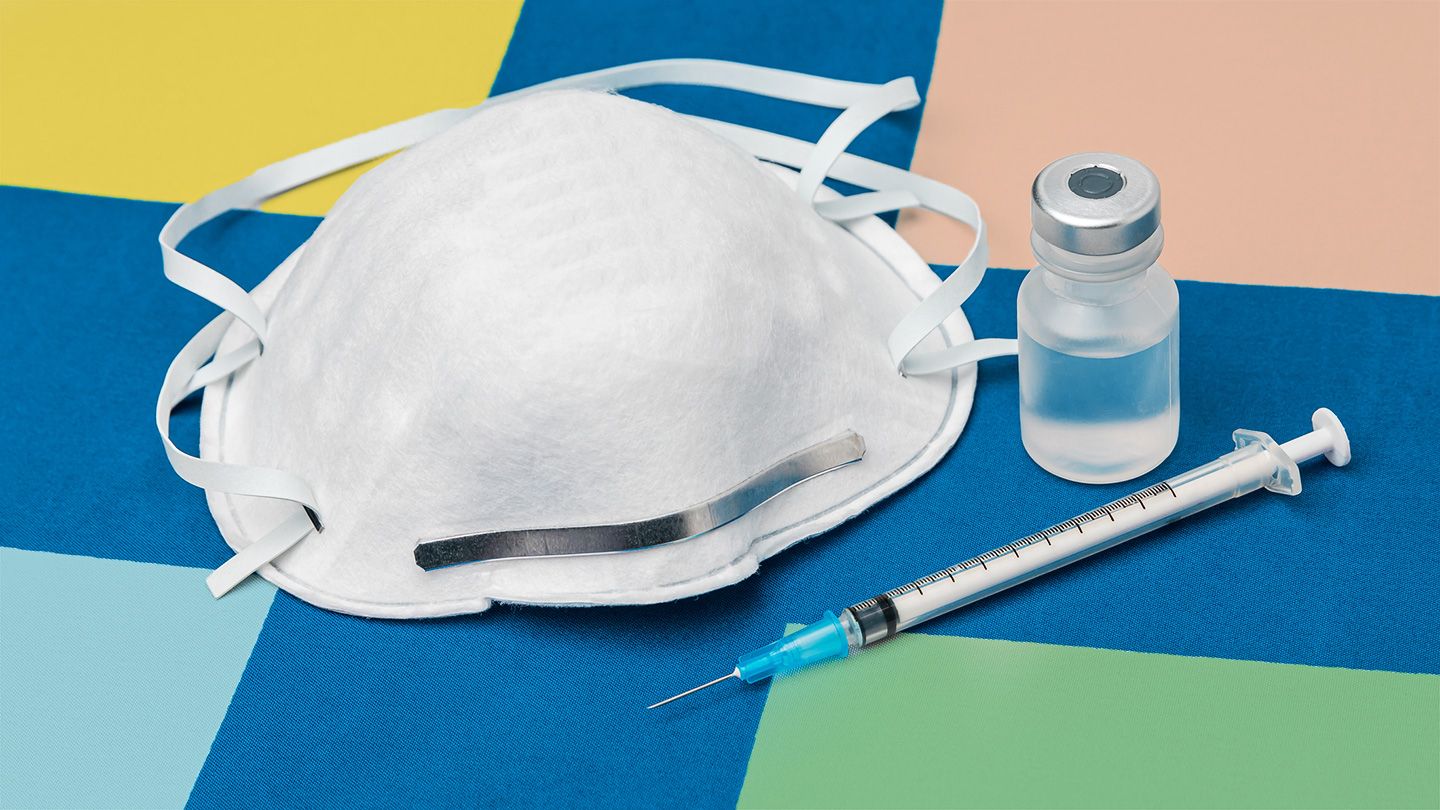
8. Don’t Skip Vaccines
While, yes, it might take more than a minute to set up and get to an appointment for your seasonal vaccines, the shot itself takes just a few seconds. More importantly, it could mean the difference between a quick bug and a trip to the hospital: The flu vaccine, for instance, reduces your risk of having to go to the doctor for treatment by 40 to 60 percent.
The National Foundation for Infectious Diseases recommends the following vaccination guidelines:
- Flu Everyone 6 months and older should receive the influenza vaccination every year before the end of October. (“Flu before boo,” Wallace says.)
- COVID-19 The COVID-19 vaccine may be given to anyone 6 months and older.
- RSV Everyone 75 and older, plus adults as young as 50 with chronic heart and lung disease or other medical conditions placing them at increased risk for severe RSV (respiratory syncytial virus), should get an RSV vaccination. Pregnant women may be vaccinated in the third trimester in order to pass on antibodies to their babies.
Read the full article here