


Overlap Where PPD and PPA Overlap PPD and PPA aren’t always easy to distinguish. Both can involve irritability, difficulty concentrating, sleep problems, and panic or anxiety symptoms, and some women experience both conditions at the same time.e60dc2a1-f33c-4a05-9b50-8e3e8e5976292e699086-053d-477f-b9be-ae3f308bd006e60dc2a1-f33c-4a05-9b50-8e3e8e597629409b2a46-7e8e-4d77-b8e7-b3d8b91bf97c According to one study that included self-reported data from 2,152 postpartum women, nearly 10 percent of women experience symptoms of both PPA and PPD.e60dc2a1-f33c-4a05-9b50-8e3e8e597629d174890b-2014-4e49-9ab0-b58c3ee44e98 “I describe PPD as heaviness — it’s a fog, flatness, a sense of moving through the day without really being in it,” Dr. Sawyer says. “Comparatively, PPA feels more like static that won’t turn off. Think: racing thoughts, a body that stays on alert, or dread that something is about to go wrong.” PPD and PPA are also different from other postpartum conditions. Baby blues affect about 80 percent of new mothers and resolve on their own within a few days.e60dc2a1-f33c-4a05-9b50-8e3e8e59762939e347f5-e43f-494b-b440-974a01c6429a Postpartum psychosis, a separate rare and dangerous condition, can come with hallucinations and delusions.e60dc2a1-f33c-4a05-9b50-8e3e8e59762941390788-cb4c-4989-b19d-24bffcb34656
PPA What PPA Looks Like PPA also isn’t specifically mentioned in the DSM-5 , but it’s estimated to affect 1 in 5 women, though rates could be higher as many women aren’t open about their symptoms. Symptoms of PPA include:e60dc2a1-f33c-4a05-9b50-8e3e8e59762982f6de9a-3c1d-4810-907c-39a30aa6dd8b Physical changes, such as shortness of breath, nausea or stomach issues, a racing heartrate, restlessness, and tension Feeling irritable and on edge Preoccupation with irrational fears and worst-case scenarios that could harm the baby Being overly cautious even in safe situations Panic attacks Difficulty relaxing or focusing Intrusive thoughts, such as imagining your baby falling off the changing table or suffocating, can occur in up to 70 percent of new moms. “Where this needs immediate attention is when the thoughts become constant, when avoidance or checking behaviors start taking over her day, when she’s afraid to be alone with her baby, or — and this is the one that changes everything — if the thought ever shifts from unwanted and distressing to something that feels like it could be acted on,” says Qu’Nesha Sawyer, PhD, a mental health provider with Maven Clinic, a virtual clinic specializing in women’s and family health, based in Durham, North Carolina.e60dc2a1-f33c-4a05-9b50-8e3e8e59762938ad9b2e-d0dc-4dc3-85cd-2a4a2db0d7c5
PPD What PPD Looks Like Many women experience “baby blues” during the two weeks following delivery, which can include mood swings and feeling generally weepy. But PPD is more severe and longer-lasting.e60dc2a1-f33c-4a05-9b50-8e3e8e597629a215219d-ec93-4cd7-ba94-15fa189cc95c “For PPD, it’s not going away, but instead it’s getting more and more severe,” says Tamar Gur, MD, PhD , a maternal-fetal psychiatrist and professor at The Ohio State University Wexner Medical Center in Columbus, Ohio. Other symptoms of PPD include:e60dc2a1-f33c-4a05-9b50-8e3e8e597629a215219d-ec93-4cd7-ba94-15fa189cc95c Feeling depressed, angry, worthless, and guilty Having trouble bonding with the baby Withdrawing from loved ones Experiencing changes in appetite Sleeping too little or too much Having thoughts of harming the baby or yourself Experiencing panic attacks Finding it difficult to make decisions and think clearly “With PPD, even if you’re doing something that you used to enjoy, you can feel like a zombie and you’re not enjoying it at all,” Dr. Gur says. “You have a sense that it’s hopeless, like it’s always going to be this hard and you can’t imagine that it’s ever going to feel better.” PPD isn’t a separate diagnosis in the Diagnostic and Statistical Manual of Mental Disorders, 5th Edition (DSM-5) , the handbook clinicians use to diagnose mental health conditions. Instead, a major depressive episode that begins during pregnancy or within four weeks after delivery can receive a “with peripartum onset” specifier.e60dc2a1-f33c-4a05-9b50-8e3e8e59762972e8b04d-7035-4363-b983-f163fd017a6d In clinical practice, however, postpartum depression is often defined more broadly, and symptoms can emerge anytime during the first year after childbirth.e60dc2a1-f33c-4a05-9b50-8e3e8e5976292f8b813e-6ad2-4cbd-bf20-1d0dcc2eb0ff
If you or a loved one is experiencing significant distress or having thoughts about suicide and needs support, call or text 988 to reach the 988 Suicide & Crisis Lifeline, available 24/7. If you need immediate help, call 911. For more help and information, see these Mental Health Resources and Helplines.
Finding Care What to Do Next If you feel you’re dealing with PPD or PPA: Seek help from a healthcare provider so they can set you up with a treatment plan. Lean on family and friends for support.e60dc2a1-f33c-4a05-9b50-8e3e8e597629d7aac1f3-cee8-4d3f-bdbe-bf994bf54e05 Ask specifically whether relieving anxiety is part of your treatment plan, or if it’s just addressing depression. “That question alone often prompts a more complete plan,” Sawyer says. Push back if you feel your symptoms have been mislabeled as PPD. “Keep naming the anxiety directly by sharing things like, ‘My mind won’t quiet down,’ ‘I feel on edge constantly,’ or ‘I’m having racing thoughts,’” Sawyer suggests. Consider asking your ob-gyn for additional screenings. “When anxiety is prominent, tools like the Perinatal Anxiety Screening Scale (PASS) or the GAD-7 alongside the EPDS give a much fuller picture,” Sawyer says. Call the Postpartum Support International helpline at 800-944-4773 for support. But if you feel you may act on thoughts of harming yourself or your baby, or if you’re experiencing hallucinations, delusions, severe confusion, or other signs of postpartum psychosis, dial 988 for the Suicide & Crisis Lifeline, call your physician, or reach out to your local emergency department.e60dc2a1-f33c-4a05-9b50-8e3e8e5976291e3a9aaa-7cbe-49f5-8bed-4a819bb124e4
Distinction Why the Distinction Still Matters Despite some overlap, it’s important to identify which symptoms are present and which are causing the most impairment. “Differentiating PPD from PPA is clinically important for optimizing care,” says Kristina Deligiannidis, MD , director of women’s behavioral health for Northwell Health in New Hyde Park, New York. “The main determinant of faster recovery is prompt initiation of evidence-based treatment and treatment to full remission.” Both are typically treated with antidepressants like SSRIs, but the dose may be different, Gur says. Therapy is also recommended for both. Women with PPA specifically may benefit most from cognitive behavioral therapy (CBT) to reestablish healthy thought patterns, while those with PPD may find either CBT or traditional talk therapy helpful.e60dc2a1-f33c-4a05-9b50-8e3e8e597629ebbea892-a8f8-4de5-b252-df6448b29fc7e60dc2a1-f33c-4a05-9b50-8e3e8e5976293c2c60b0-7657-4b93-8ca5-9c426dbee692 Many providers use self-report screening tools, such as the Edinburgh Postnatal Depression Scale (EPDS), to identify patients who may have symptoms of postpartum depression or anxiety and need further evaluation.e60dc2a1-f33c-4a05-9b50-8e3e8e597629ebbea892-a8f8-4de5-b252-df6448b29fc7 This may be administered at the hospital before being discharged post-birth, by your ob-gyn, or at your pediatrician’s office. “Though in general I think that we’re not doing a great job capturing it,” Gur says. If you are concerned about how you’re feeling, be sure to explicitly call out your symptoms to your provider. He or she may have other anxiety screening scales to give you, Dr. Deligiannidis says.
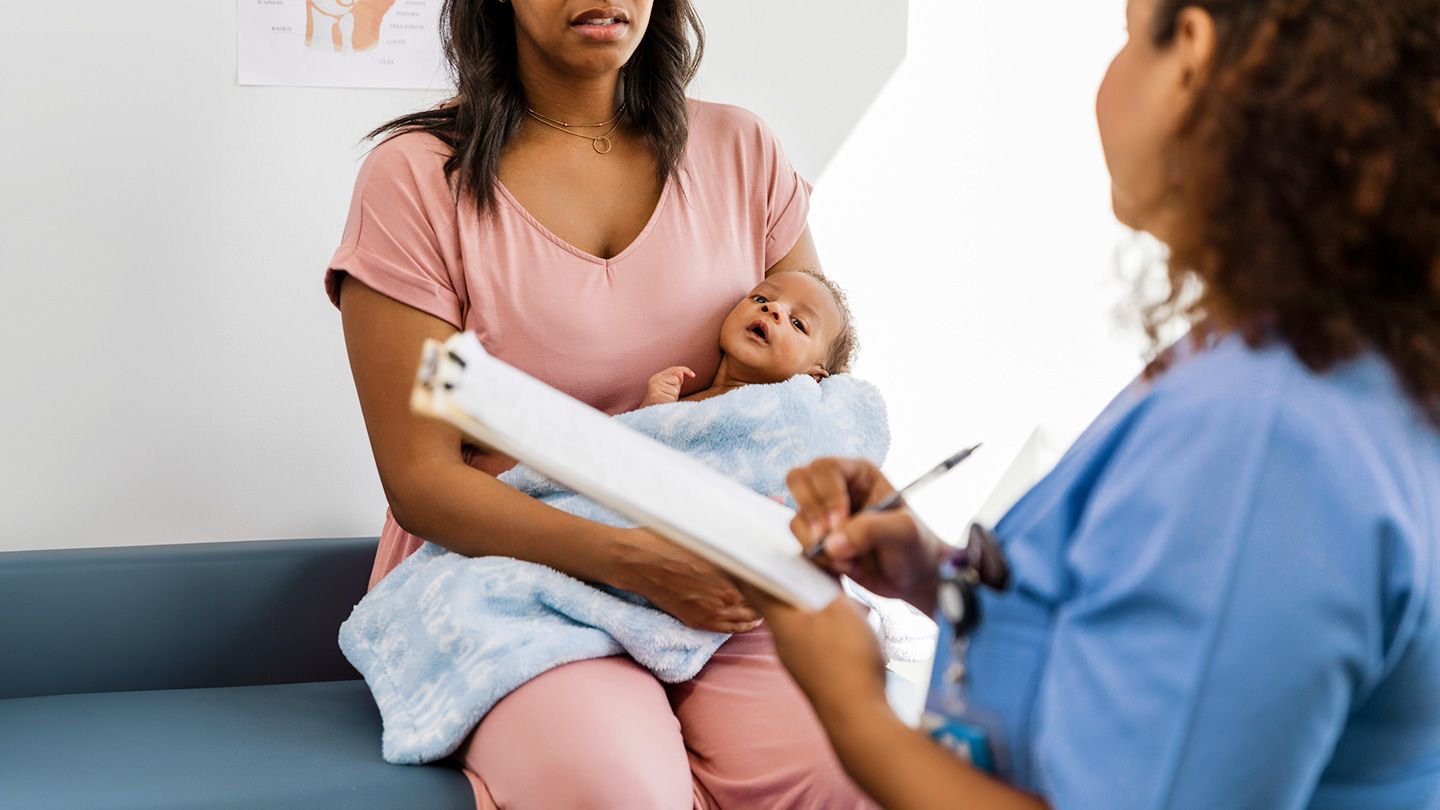
A new mother may think she has postpartum depression (PPD), but symptoms such as constant worrying, restlessness, and repeatedly imagining worst-case scenarios may point to postpartum anxiety (PPA) — either on its own or alongside PPD. PPD and PPA can overlap, and both are treatable with proper care. But there are important differences between them. Here’s how PPA differs from PPD and why recognizing your symptoms can help guide treatment.
Read the full article here


Leave a comment
