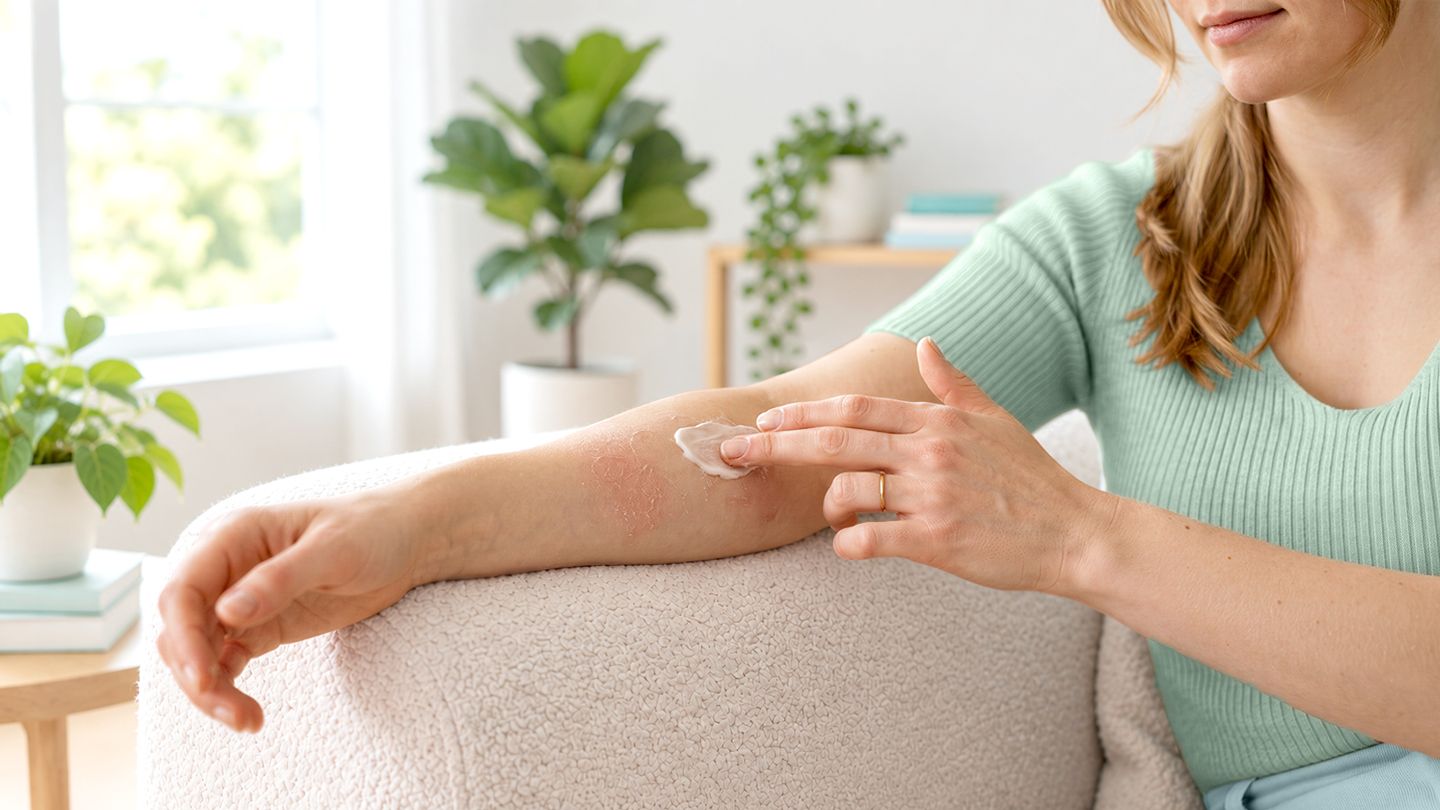
How atopic dermatitis (AD), the most common form of eczema, manifests in your teens and twenties may not be how it looks or behaves in your sixties. Whether it persists from childhood, returns in adulthood after years of remission, or is newly diagnosed decades later, its symptoms and how it’s managed can change with age.
At the same time, aging brings other changes to the skin, too. It tends to become thinner, drier, and more fragile, with reduced oil production and a less-efficient skin barrier. What’s more, factors like medications and other chronic health conditions can add new challenges to AD management.
Even if you’ve lived with AD for decades...
Read the full article here