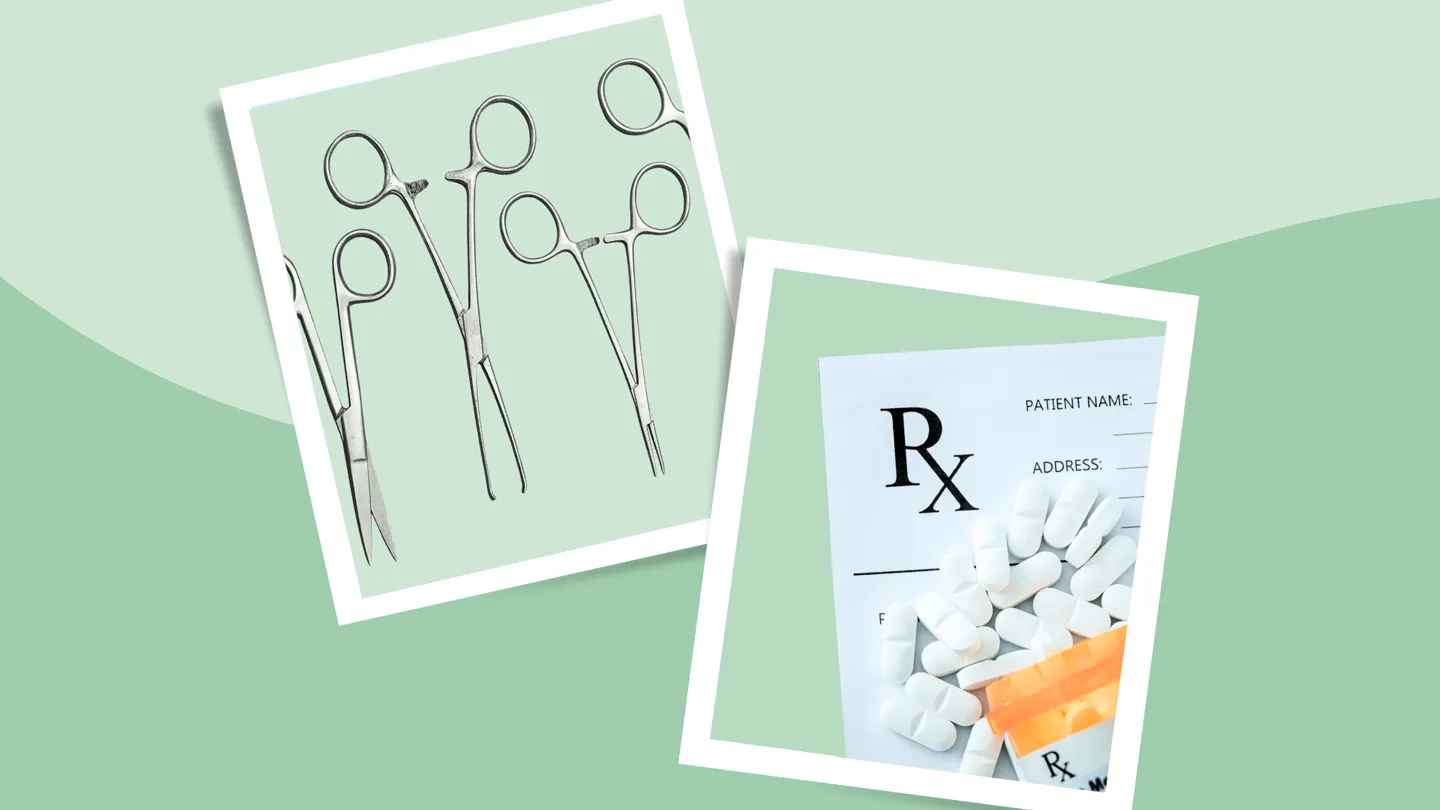
Surgery is sometimes needed to treat complications of NF1, particularly when tumors or bone problems interfere with function or cause pain. The type of surgery depends on the complication.
Tumor Removal
Some tumors may require surgical removal. If a tumor is growing quickly, causing pain, or pressing on important structures like the spinal cord or major nerves, surgery may be recommended to remove it.
Surgery may be recommended if:
- A tumor is growing quickly or pressing on nearby structures.
- Pain caused by the tumor is severe.
- There’s concern the tumor may become cancerous.
Even after surgery, ongoing monitoring is important, since NF1 tumors can recur, or new ones may form.
Orthopedic Surgery
Bone problems are among the most common complications of NF1. The two most common bone issues are scoliosis (spinal curvature) and tibial dysplasia, or bowing of the shin bone.
Scoliosis Children with NF1 may develop either nondystrophic scoliosis (which resembles the more common adolescent scoliosis) or dystrophic scoliosis (a more aggressive, degenerative form).
Nondystrophic scoliosis may be treated with bracing or spinal fusion surgery if the curve is severe or progressive. Surgery usually involves realigning the spine with rods and screws and using bone grafts to help the bones fuse.
Dystrophic scoliosis tends to worsen quickly, with sharp, angled curves and fragile bones. Because of the risks, surgeons often recommend operating early, before the spinal curve worsens even further.
Bracing usually doesn’t help dystrophic scoliosis, and spinal fusion surgery is more complex, with higher risks like poor bone healing. Bone grafts from the pelvis are often used to improve success.
Tibial Dysplasia This condition makes the tibia weak and prone to fractures, sometimes leading to pseudarthrosis, where the bone heals with fibrous tissue instead of bone. Tibial dysplasia may also cause one leg to be shorter than the other.
Treatments for tibial dysplasia can include:
- Bone grafting with an intramedullary rod (a metal rod placed inside the bone to strengthen and stabilize it)
- Limb lengthening surgery when there is a significant difference in leg length
- Corrective surgery to restore or improve walking function if the bowing interferes with mobility
Plastic Surgery
Tumors can impact appearance, and some people may choose to have plastic surgery to reduce a tumor’s impact on physical features.
Read the full article here