


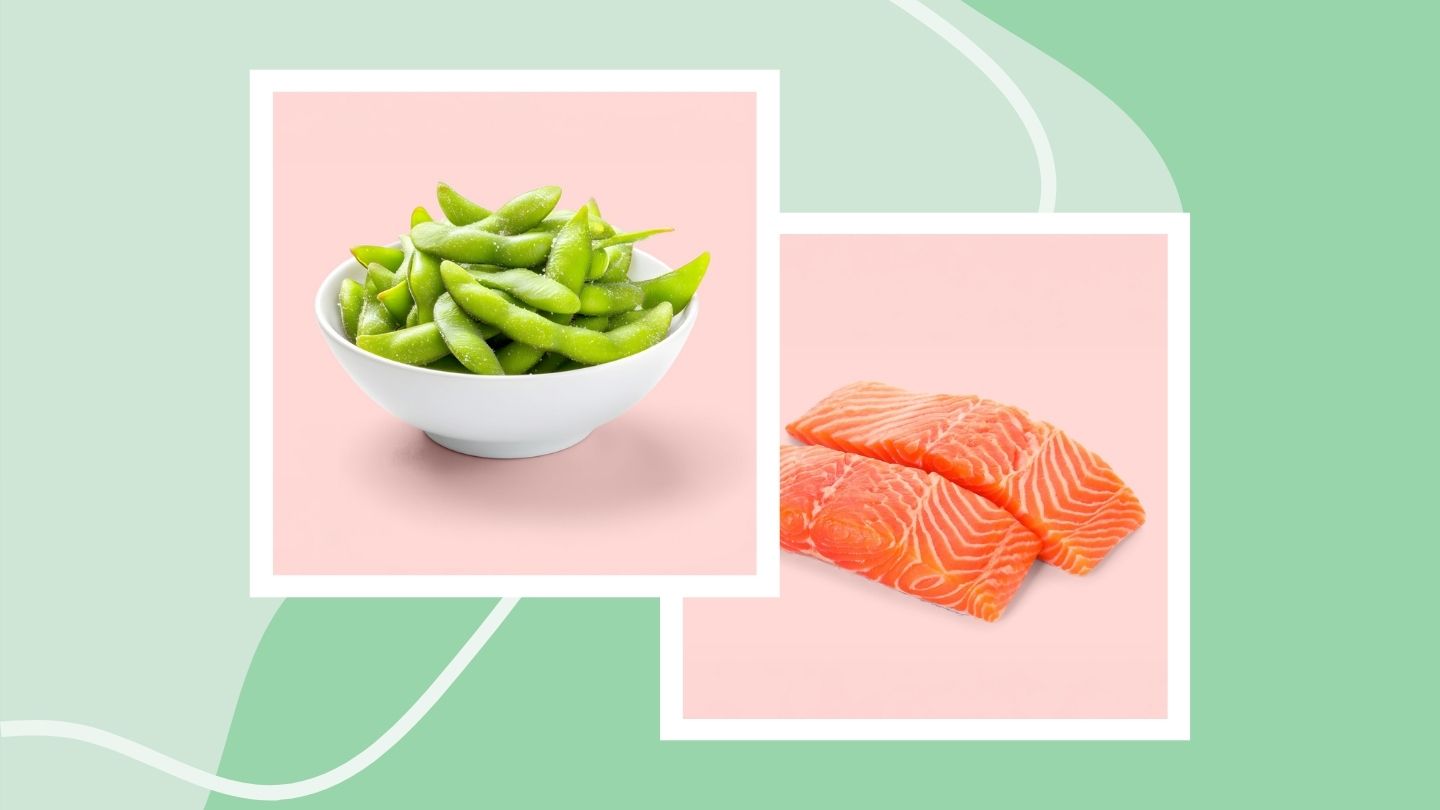
Fatty Fish Diet alone likely won’t provide you with optimal vitamin D intake, since you get it from sun exposure. But fatty fish such as salmon, tuna, and rainbow trout provide some of the vitamin , Planells says. Also known as the Sunshine Vitamin, vitamin D is fat-soluble and plays a key role in bone growth and remodeling. Specifically, it helps the gut absorb calcium.e60dc2a1-f33c-4a05-9b50-8e3e8e5976294b2d7d9e-969a-4706-b4ba-670be190c9f0 Yet research suggests that 24 percent of people in the United States have a vitamin D deficiency, with nearly 6 percent being severely deficient. In other countries, this varies based on sun exposure and rates of certain chronic conditions that affect vitamin D absorption, like kidney and liver failure, as well as malabsorption syndromes. Being older or pregnant may also affect vitamin D levels.e60dc2a1-f33c-4a05-9b50-8e3e8e597629179846b7-358e-4bd8-a914-05eec32378f2 “Some sun exposure can trigger vitamin D production, but based on your skin type and where you live, you may not get enough,” Planells says. Plus, there are concerns that too much sun exposure can increase your risk of skin cancer , “so we need to focus on food options to get adequate vitamin D,” Planells says.e60dc2a1-f33c-4a05-9b50-8e3e8e597629fcd95f55-fb04-4c31-925a-7cc0f45a62b6 The FDA recommends 20 mcg vitamin D daily. Fatty fish are among the best food sources of vitamin D. A 3.25-ounce can of salmon is a source of vitamin D, delivering 1.38 mcg, or 55.1 international units (IU) of vitamin D (6.9 percent of the daily value),e60dc2a1-f33c-4a05-9b50-8e3e8e59762909b1cdb1-7b24-48a8-ae61-fc091d9bcf0a and 1 ounce of fresh smoked tuna provides 3.2 mcg, or 128 IU (16 percent of the daily value).e60dc2a1-f33c-4a05-9b50-8e3e8e5976295d1d3108-061d-4a82-b31c-931feecb0f32 RELATED: Eat the Right Fish for Heart Health
Beans All kinds of beans, including black beans , edamame , pinto beans, and kidney beans, serve up a hearty dose of bone-supporting nutrients like magnesium, calcium, and phosphorus. Plus, beans are typically high in fiber and protein . Protein matters for your skeleton. Getting enough helps supply the amino acids your body uses to build and maintain bone tissue, and it may boost calcium absorption, according to one review.e60dc2a1-f33c-4a05-9b50-8e3e8e59762929753122-899a-4d4e-955b-33bb3cf4e9d8 The protein in beans may be especially helpful for those following a plant-based diet . A plant-based diet focuses on reducing animal products, such as meat and dairy, and increasing plant foods like fruits, vegetables, and whole grains. Some studies have linked plant-based eating to a higher risk of osteoporosis when comparing vegetarian and omnivorous diets.e60dc2a1-f33c-4a05-9b50-8e3e8e597629fd74506d-0aad-4afd-a34b-536e1156e204 But that’s not the whole picture. In fact, research has shown that older adults who follow a healthy, high-quality plant-forward diet have a significantly lower risk of osteoporosis than those who eat fewer plant foods. However, the quality of the food is key: Those who eat an unhealthy plant-based diet rich in refined grains and sugars actually face a higher risk of osteoporosis.e60dc2a1-f33c-4a05-9b50-8e3e8e597629a05b1238-2725-448a-ba6f-2412b14b163a It’s unclear whether this is due to the nutritional profile of the foods involved in plant-based eating patterns or whether people who eat more plant-based foods generally trend toward being more health-conscious overall. Plant foods like beans can help you reach your daily calcium value and provide additional nutrients. For instance, 1 cup of black beans, which has 84 mg of calcium (around 6 percent of the daily value), is an excellent source of magnesium, also at 84 mg (20 percent of the daily value) and phosphorus, at 259 mg (around 21 percent of the daily value).e60dc2a1-f33c-4a05-9b50-8e3e8e597629974a7ed7-afff-4e1c-a574-971811671b33 They’re also a source of plant protein and fiber.
Dairy There’s a reason that dairy products like milk, yogurt, and cheese always come up in conversations about bone health: They’re loaded with calcium, the main nutrient that contributes to bone strength and structure.e60dc2a1-f33c-4a05-9b50-8e3e8e597629c44e4127-96c5-429c-a9d6-8627fe951817 Both 1 cup of fat-free milk and 1 cup of plain nonfat Greek yogurt are excellent sources of calcium, providing 322 milligrams (mg)e60dc2a1-f33c-4a05-9b50-8e3e8e597629dea1f15a-40ea-48c4-b335-f4c79941a9d4 and 272 mge60dc2a1-f33c-4a05-9b50-8e3e8e5976295656e638-4cc4-44a4-a82c-606563c1b06d of the mineral respectively. The U.S. Food and Drug Administration (FDA) recommends getting 1,300 mg of calcium daily. So a cup of fat-free milk gives you nearly 25 percent of your daily calcium value and a cup of nonfat Greek yogurt just over 20 percent.e60dc2a1-f33c-4a05-9b50-8e3e8e5976295624dee6-3b58-48d9-8240-8524a0ba6d9e Whether you choose full- or nonfat dairy products will depend on your personal preference. “If somebody’s trying to lose weight, they may want to stick with lower-fat products,” says Sandy Allonen, RD , of Beth Israel Deaconess Medical Center in Boston. But choosing nonfat products means that you won’t gain benefits from any fat-soluble vitamins, like vitamins A and D. “When you pull out the fat, you also pull out the fat-soluble vitamins,” Allonen says. So if you’re going the nonfat route, or if you can’t eat dairy, choose cereals, breads, and juices that are fortified with the fat-soluble vitamins that are key for building strong bones.e60dc2a1-f33c-4a05-9b50-8e3e8e597629a6e994a8-7160-4d7c-86d1-9f124510f950
Cruciferous Veggies As if you needed another reason to eat your greens : A class of leafy green vegetables called cruciferous veggies provide several nutrients that support bone health, such as vitamin K and calcium.e60dc2a1-f33c-4a05-9b50-8e3e8e59762948eee9aa-b26a-4205-9a52-ac102f5879e8 Alongside the benefits of calcium for your bones, vitamin K contributes to better bone health. “Vitamin K works in tandem with calcium to assist in building healthy bones,” Allonen says. A cross-sectional study found an association between low vitamin K levels and a risk of lower bone density and osteoporosis, especially in women over 50.e60dc2a1-f33c-4a05-9b50-8e3e8e59762967571644-4c9b-4ce4-9c86-4bac4e95e679 Cruciferous veggies include arugula, turnip greens, kale, cabbage, and broccoli .e60dc2a1-f33c-4a05-9b50-8e3e8e597629886884d6-88de-4554-ad17-1962a4dff5a8 A cup of cooked kale is an excellent source of vitamin K, providing 493 micrograms (mcg), over 4 times the daily value of 120 mcg.e60dc2a1-f33c-4a05-9b50-8e3e8e597629db7c2318-1ada-4a5a-9c97-4cbf4b5bf2ed It also gives you 177 mg of calcium, which is 13.6 percent of your daily value.e60dc2a1-f33c-4a05-9b50-8e3e8e597629bff55008-7cd0-47d4-8f2c-34f145160dfa This versatile leafy green, which you can toss in soups, salads, and more , is a good source of bone-friendly vitamin A, too, providing 172 mcg (around 19 percent) of the recommended 900 mcg daily value. If kale isn’t your thing, go for broccoli: 1 cup of cooked, chopped broccoli is an excellent source of vitamin K, providing 220 mcg, almost 184 percent of your daily value. It’s a good source of vitamin A, adding 120 mcg (around 13 percent of the DV) to a meal. Broccoli also offers some bone-strengthening calcium and magnesium.e60dc2a1-f33c-4a05-9b50-8e3e8e5976297fe31b71-8a04-4f47-b844-c5581d71f728 RELATED: 14 Healthy Salad Greens, Ranked From Best to Worst
Seeds Seeds provide calcium, magnesium, and phosphorus, says Allonen, as well as fiber and omega-3 fatty acids , which are a type of polyunsaturated fatty acid that may balance cholesterol , reduce inflammation in the body, and keep your brain and nervous system working smoothly.e60dc2a1-f33c-4a05-9b50-8e3e8e5976293a481080-c878-48f0-888a-20424142d2a6 Some lab and animal research has linked omega-3s to healthier bone buildup and slower bone breakdown over time, although human trials have shown mixed results.e60dc2a1-f33c-4a05-9b50-8e3e8e5976292e197a5e-9e0a-4394-8721-fc50d4da98f4 Great seed varieties to add to your diet include chia seeds, flaxseed , pumpkin seeds, and sesame seeds. An ounce of sesame seeds is an excellent source of calcium, at 280 mg (21.5 percent of your daily value), and magnesium, at 101 mg (around 24 percent of your daily value); and is a good source of phosphorus, at 181 mg (about 14.5 percent of your daily value).e60dc2a1-f33c-4a05-9b50-8e3e8e5976294945fdd9-67f9-4b1a-8227-3ba9d14e7beae60dc2a1-f33c-4a05-9b50-8e3e8e5976293a6fb2f2-95b0-49e4-aa91-cdc1e634b530 To include more seeds in your diet , try sprinkling sesame seeds over your favorite salad or incorporating chia seeds into your next smoothie or baking project.
Nuts Nuts contain some calcium, but they’re a better source of two other nutrients that are essential to bone health: magnesium and phosphorus. Magnesium helps you absorb and retain calcium in the bones, Allonen says. Phosphorus is a key component of bones — your body stores roughly 85 percent of its phosphorus in your bones and teeth.e60dc2a1-f33c-4a05-9b50-8e3e8e59762955f52c8e-c95c-4eb0-9150-357cb780e4c1 There are plenty of nut varieties, including Brazil nuts, cashews, walnuts, peanuts, and pecans, but Allonen says that almonds are always a good bet. An ounce of almonds (a small handful) is a good source of magnesium. The FDA advises getting 420 mg of magnesium daily,e60dc2a1-f33c-4a05-9b50-8e3e8e5976294dd94286-bba9-4400-b273-fc8dd382dd9b and this serving of almonds provides 76.5 mg, which is just over 18 percent of your daily magnesium value, plus some phosphorus.e60dc2a1-f33c-4a05-9b50-8e3e8e5976290240d181-95e6-49b8-a2a0-5ebb12aa6bf6 RELATED: 9 Foods High in Magnesium
It pays to care for your bones. Not only do they help you move and stay upright but they also help protect your delicate internal organse60dc2a1-f33c-4a05-9b50-8e3e8e5976292e3f8573-4c22-41f6-af50-64d2027e5d5e and store key minerals like calcium and phosphorus so they’re available when the body needs them for other purposes.e60dc2a1-f33c-4a05-9b50-8e3e8e59762957d9d767-5499-4585-9190-30817eb808fd But by age 40, many people have begun to gradually lose mass in these important structures, as the body stops being able to replace old bone as quickly as it’s lost.e60dc2a1-f33c-4a05-9b50-8e3e8e59762933a57faf-df46-41cc-8a2d-1c309d0d253d By 50, this can look like osteopenia (reduced bone mineral density that increases your risk of developing a debilitating condition like osteoporosis ), unless you stock up on nutrients needed to slow your losses.e60dc2a1-f33c-4a05-9b50-8e3e8e59762961f3d817-11c0-4f90-bf4d-3eb5814df53f “What we eat and the activities that we do throughout the years have an impact on bone health,” says Angel Planells, RDN , a Seattle-based spokesperson for the Academy of Nutrition and Dietetics. To build and protect healthy bones, be sure to include these registered-dietitian-approved foods in your diet . And remember: Variety is an important factor when it comes to diet and bone health, Planells says. So be sure to include a good mix of food groups in each meal — your bones (and your palate) will thank you. default Milk can help fortify your bones, but it’s not the only foodstuff that offers this health perk.
Fortified Juices and Whole-Grain Cereals If your body can’t tolerate dairy, or if you choose not to consume it, you can use foods fortified with calcium and vitamin D to fill in the gaps. Fortified foods like cereal and juice may even provide a higher amount of calcium than leafy greens like kale , says Planells. For example, 1 cup of Raisin Bran cereal provides 46.6 mg of calcium and 1 mcg (40.1 IU) of vitamin D.e60dc2a1-f33c-4a05-9b50-8e3e8e5976298cd8f05d-c253-4b07-8db9-62c5e023dacf And 249g of calcium- and vitamin-D-fortified orange juice provides 349 mg calcium (nearly 27 percent of the daily value) and 2.49 mcg (99.6 IU) of vitamin D — just shy of 12.5 percent of the daily value. This makes it an excellent source of calcium and a good source of vitamin D.e60dc2a1-f33c-4a05-9b50-8e3e8e5976294926c371-7abb-44d5-b545-fd09b951b8d4
Read the full article here


Leave a comment
