

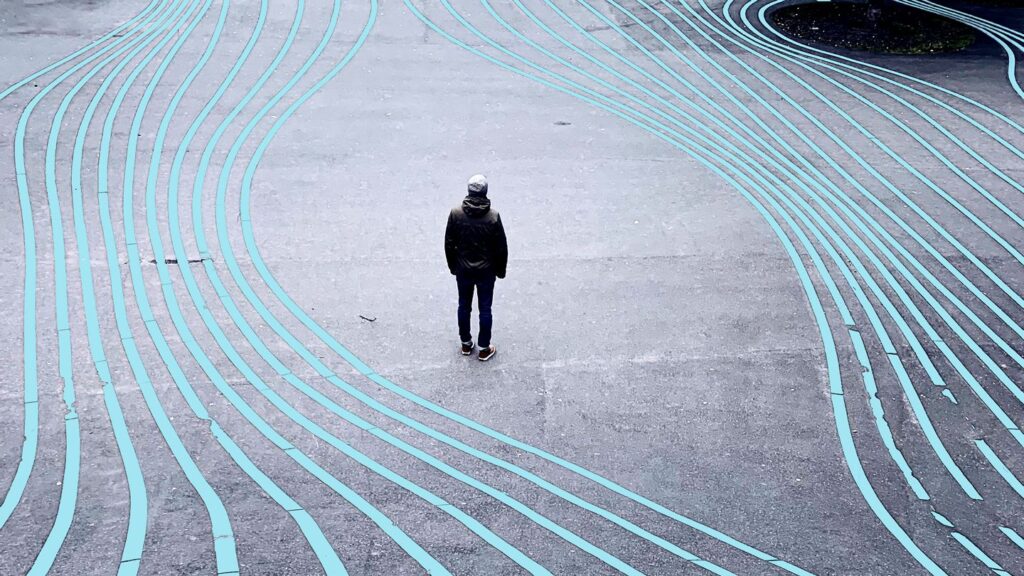
From that craving for a reassuring hug, a helping hand when you need it most, or someone to talk to after a long day — we all likely know how painful pangs of loneliness can feel.
“Throughout human history, we’ve had to rely on others for our survival, whether that’s protection from physical threats or our need for a sense of community,” explains Julianne Holt-Lunstad, PhD, a professor of psychology and neuroscience at Brigham Young University in Provo, Utah. “From a neuroscience perspective, our brains have adapted to social proximity.”
In other words: We’ve adapted to feel safer and more secure when we feel like we’re not alone.
According to…
Read the full article at EVERYDAYHEALTH.COM