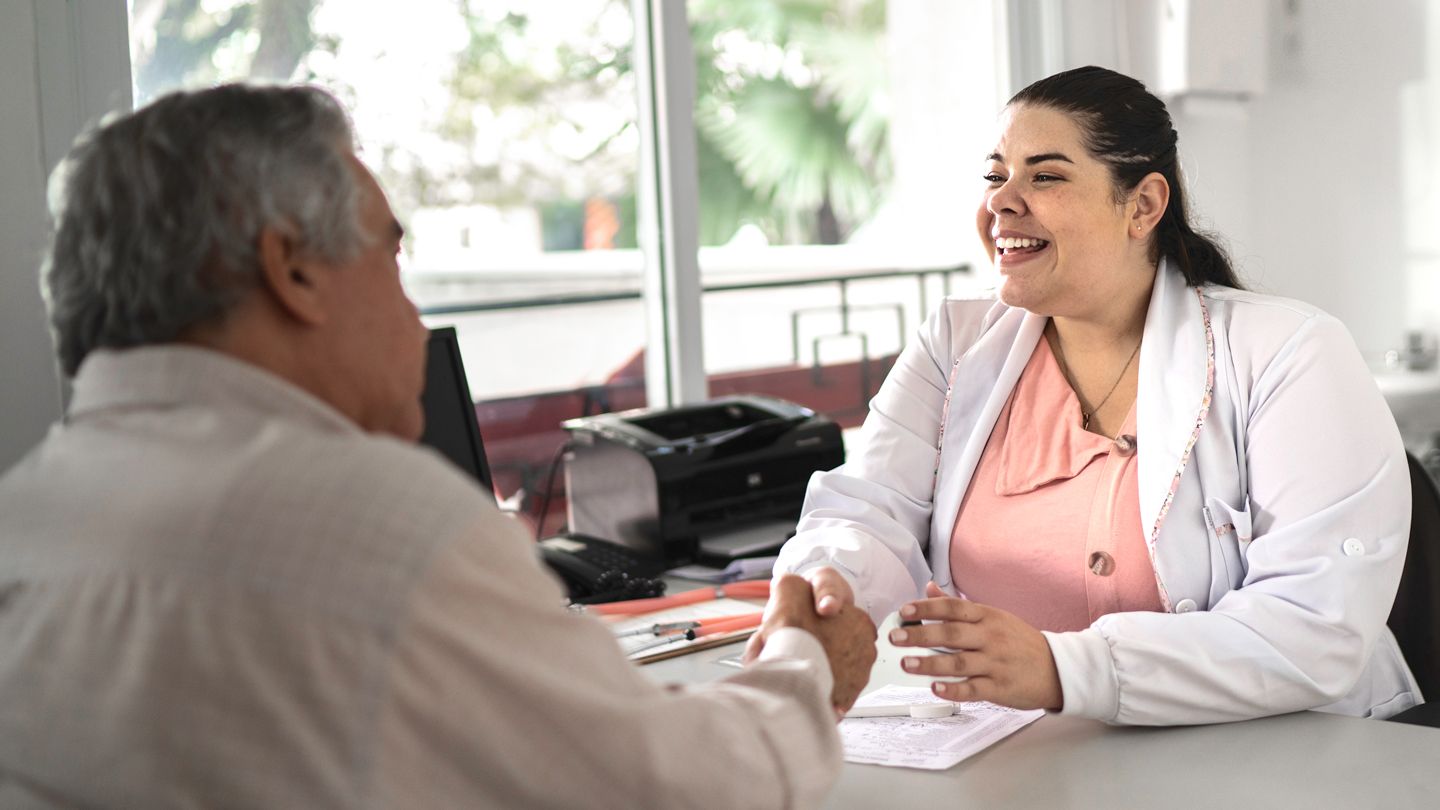
4. A Registered Dietitian-Nutritionist to Help You Build a Diabetes-Friendly Diet
A large part of diabetes management is good nutrition. This means knowing what to eat and what to avoid — and how to fit in the foods you love while keeping your blood sugar in check.
5. A CDCES to Create a Healthy Lifestyle
This certified healthcare professional will help you develop a diabetes management plan, as well as put lifestyle changes into practice and understand diabetes technology (such as continuous glucose monitors and other tools that might be available to you).
“A CDCES usually has a lot more time to spend with the person with diabetes than a PCP does,” Bereolos says. “Appointments with a CDCES are typically up to an hour. This really allows for more personalized care so that you can succeed in reaching your goals.”
Some professionals who hold the CDCES credential, such as Bereolos, are trained in behavioral psychology, a specialty that offers additional perks for patients. “Working with a psychologist can help to address some of the challenges in living with diabetes,” she explains. They can also serve as an accountability partner.
6. A Dentist to Monitor Gum Health
Care of teeth and gums is vital for everyone, but it’s especially important for people with type 2 diabetes, who are at increased risk of developing cavities, gum disease, and other oral health problems. And these issues can then make it harder for you to follow a healthy diet (an essential part of managing diabetes).
Talk to your dentist about how diabetes may affect your dental checkups.
7. A Podiatrist to Treat Foot-Related Diabetes Complications
A podiatrist specializes in problems of the lower legs and feet and will help you watch and care for any complications in those lower extremities.
8. An Ophthalmologist to Prevent Eye Diseases Caused by Diabetes
9. Your Inner Circle to Support Your Emotional and Overall Health
Let your loved ones know what’s going on with your health (to the degree you feel comfortable) and how they can help relieve the burden of a diabetes diagnosis.
“If they offer a source of positive support, friends and family can buffer some of the stress that comes from managing diabetes,” Bereolos says.
10. Support Groups to Share Ideas on Living Well With Diabetes
Support groups can help you connect with other people living with type 2 diabetes, who are likely to understand your struggles and challenges and can offer tips and strategies for a healthy life. Research has found that peer support is linked to improved blood sugar management, as well as boosted quality of life in people with type 2 diabetes.
Bereolos especially likes DiabetesSisters, a women-led nonprofit organization that promotes education and community for women with diabetes. The American Diabetes Association also has a great community support channel with helpful forums for people living with type 1 or 2 diabetes and their caregivers.
Read the full article here