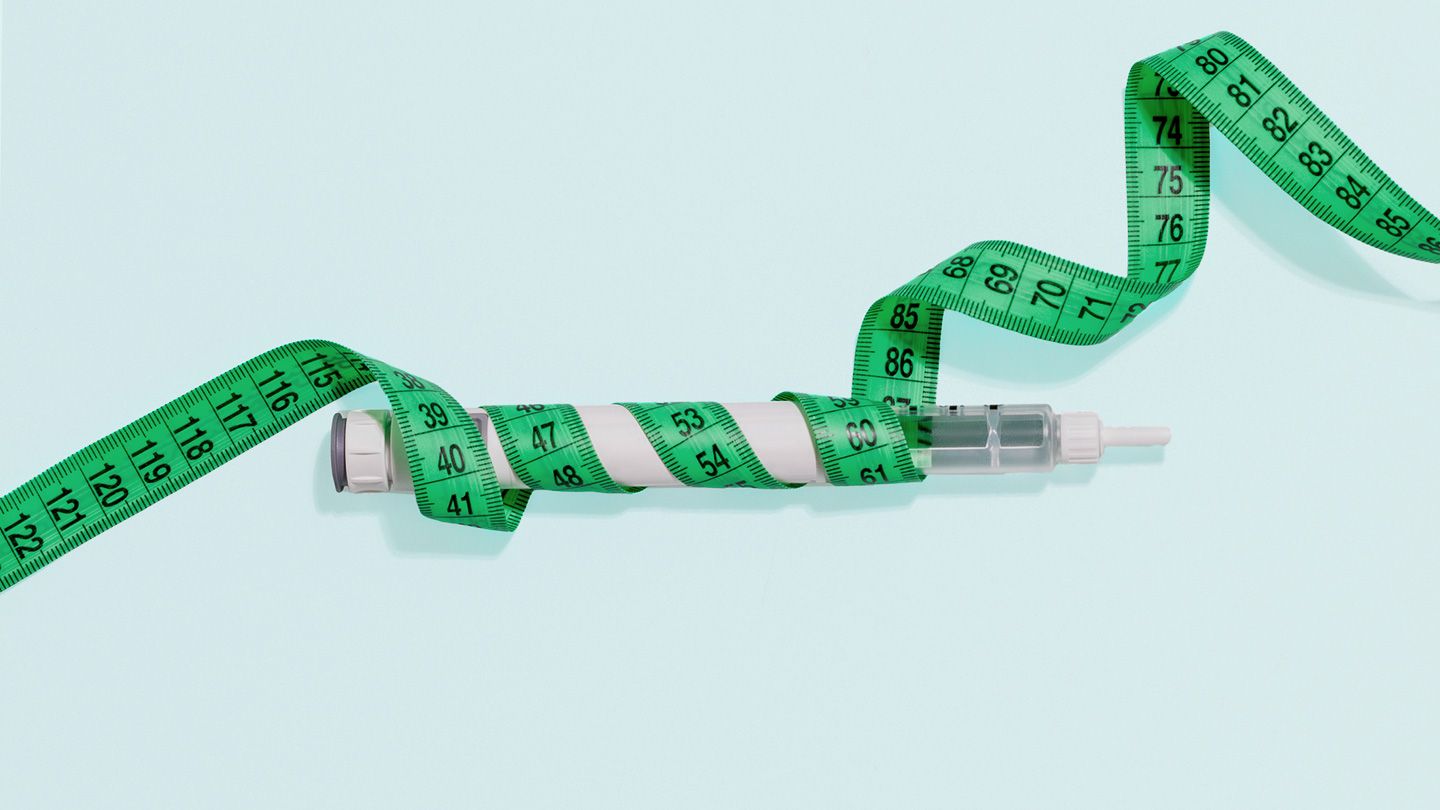
Now, GLP-1s are available for weight loss, but plenty of misconceptions exist about how best to use these drugs.
1. Myth: GLP-1s Are an ‘Easy Fix’ for Weight Loss
It may sound nice to think about taking GLP-1s and watching the numbers on your scale fall without making any other changes. But these medications work best when combined with a healthy diet and regular exercise.
“The scale is important, but what makes up that number is far more important,” says Matthew Fourman, MD, a bariatric surgeon in private practice in Columbus, Ohio. “These drugs do not take the place of good nutrition and exercise as part of a healthy lifestyle.”
When you take GLP-1s, a healthy diet, physical activity, plenty of quality sleep, and stress management work together to help you achieve lasting results, says Bronwyn Holmes, MD, a women’s health physician in private practice in Silicon Valley, California. Dr. Holmes advises medical providers on treatments like GLP-1s. “Weight loss becomes temporary when patients stop taking their medication, because they lack essential weight management elements,” she says.
2. Myth: Most People Have Side Effects
One study review looked at GLP-1 side effects and found that only about 12 percent of people who took these medications experienced any. But side effects depend on the GLP-1 you take, and their severity can vary.
For example, two studies found that semaglutide (Ozempic, Wegovy) causes gastrointestinal symptoms like nausea more often than other types, but liraglutide (Saxenda, Victoza) causes more problems with the gallbladder and pancreas.
These side effects are most common when you first start taking a GLP-1, or when your dose gets increased, but they often improve as you take them consistently, says Dr. Lofton.
3. Myth: You Can Eat Whatever You Want While Taking a GLP-1
Sometimes people believe that their GLP-1 medication makes all food choices acceptable, says Holmes. “But GLP-1 medications produce their best results when patients consume nutrient-dense, protein-based meals while maintaining regular hydration,” she says.
Because of the decreased appetite that comes with GLP-1s, some people may not eat enough protein, leading to muscle loss. “Adequate protein intake is vital to maintaining a favorable body composition,” says Holmes. Even in a best-case scenario, where enough protein is consumed, some weight loss still comes from lean body mass (muscle and bone).
Your exact protein recommendations while taking GLP-1s will depend on your gender, weight, and daily calorie goal. But experts suggest trying for 80 to 120 grams (g) of protein per day (16 to 24 percent of your calories).
4. Myth: Doctors Don’t Know if GLP-1s Are Safe
If you think GLP-1s are too good to be true, you’re not alone. And some people worry about the safety of these medications. But Lofton says she has no qualms about prescribing them. “These medications were tested in clinical trials for safety and efficacy for many years before they came to the market,” she says.
However, some companies and compounding pharmacies have created their own mixture of GLP-1s. Those aren’t regulated by the U.S. Food and Drug Administration (FDA), and so they may not be as safe as options prescribed by your healthcare provider.Also, experts don’t recommend GLP-1s during pregnancy.
5. Myth: You Can Always Take Higher Doses if the Weight Stays Put
Healthcare providers typically start GLP-1s at a low dose and increase it every four weeks until you reach your goal dose. But the dose can’t be raised indefinitely, says Dr. Fourman. Some clinicians increase the dose slower than every four weeks, with the goal of limiting side effects and helping produce sustainable lifestyle changes.
“There has to be some nuance and intelligence when it comes to managing each patient,” says Fourman. “Plateaus happen, but continually ramping up the dose in a consistent manner can lead to increased frequency of complications.”
Most people also don’t take GLP-1s long-term, and studies have only observed people taking them for a max of three to four years. Some people get off GLP-1 medicines because of side effects. Others stop taking them due to high out-of-pocket costs, lack of insurance coverage, or changes in insurance coverage.
The Takeaway
- GLP-1s have helped thousands lose weight by suppressing appetite, but myths still exist around these popular medications.
- Because GLP-1s can cause rapid weight loss, some people believe they can eat whatever they want, skip exercise, and boost their dose as many times as needed.
- When you take GLP-1s, you need more protein in your diet, regular exercise, excellent sleep, and stress management to achieve the best, longest-lasting results.
Read the full article here