The postpartum days can be magical and thrilling as you fall deeper in love with your baby. But it can also be an exhausting, intense, never-ending cycle of diapers, feedings, and trying to get your little one to sleep — all while trying to recover from pregnancy and delivery.
The first few months, when your baby needs you 100 percent and you have no time to eat, shower, or even run a brush through your hair, can be stressful. Some smart strategies for sneaking in moments of calm (and a little TLC) might be just what the doctor ordered.
Try these ideas for quick stress relief you can add into your day.
1. Cuddle With Your Baby
The dirty clothes and dishes may be piling up, but these early weeks are a special chance to soak up your newborn’s coos and sighs. Enjoy cuddle time with your little one after bathing or feeding them, when your baby is likely to be calm and content.
2. Go for a Walk
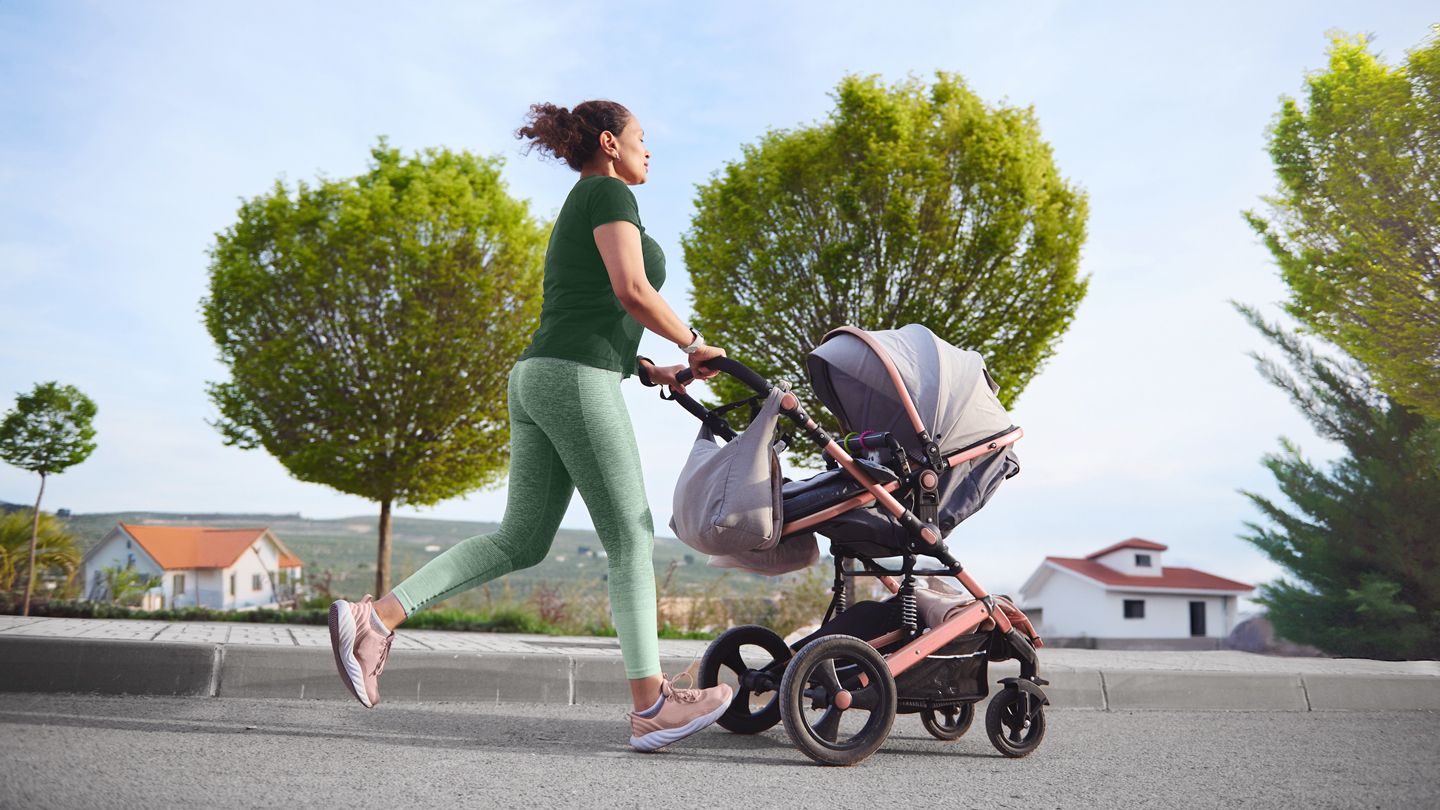
Click your little one into the stroller and take a walk outside in the fresh air. Not only will you get some exercise, which can help relieve stress, and vitamin D, which can lift your mood, but your baby will also likely be lulled to sleep by the steady motion.
Start slow with five-minute walks and then gradually increase your activity levels as your body heals. The Centers for Disease Control and Prevention recommends 150 hours a week of moderate aerobic activity for postpartum women. Besides boosting your mood and reducing stress, it will increase your energy and sharpen your focus.
3. Schedule Some ‘Me Time’
Or, if you feel life vegging on the sofa, watch a Netflix rom-com. What’s important is that you incorporate little breaks to take care of yourself and step away from the constant cycle of bathing, changing, feeding, and trying to get your baby to sleep. “Do something that’s separate from caring for your baby,” says Jenny Yang Mei, MD, an obstetrician-gynecologist at the Stanford Health Maternal Fetal Medicine Clinic in Palo Alto, California.
4. Get Family and Friends to Come Hang Out
As much as you may be enjoying spending time with your beautiful baby, it can get lonely without adult conversation. Invite a family member or friend (someone who you don’t mind seeing the chaos and mess that your life might be right now) to keep you company and pitch in while you make you a meal, do laundry, or clean the kitchen. They can even hold your baby, so you can do a 20-minute workout or even take a nap.
Having someone around to talk to can also lower your stress levels. “It’s really important to get as much support as possible,” says Dr. Mei. Establish a community of people you trust who can help.
5. Give Yourself Grace
Some of the stress you feel as a new parent can come from your own unrealistic expectations, especially around breastfeeding. “There has become a breastfeeding obsession that can bring anxiety, shame, and guilt for those who are not breastfeeding, not producing enough milk, or not being able to exclusively breastfeed,” says Mei. Doctors promote breastfeeding, she says, but if you have circumstances that make it difficult or not the right choice for you, it’s not worth losing your sanity over. Accepting your limits can go a long way toward reducing stress.
6. Find a Group of New Moms
One great way to reduce stress is to connect with other mothers out there who are also navigating postpartum experiences. Being with other new moms — even online — and exchanging stories or sharing anxieties or frustrations can be encouraging and validating and help you feel calmer.
The Takeaway
- The postpartum period can be a wonderful experience, but it can also be an overwhelming and stressful time adjusting to constant caregiving demands while recovering physically and emotionally from pregnancy and childbirth.
- Some stress-relieving strategies you can sneak in include cuddling with your baby, going for walks together, and finding relaxing activities to do during breaks from the demands of taking care of a newborn.
- Getting help from family and friends or finding time to socialize with other new mothers can alleviate stress and remind you that you aren’t alone.
Read the full article here