While creams, sitz baths, and medical procedures can help manage symptoms, diet plays an important supporting role. What you eat affects stool consistency, hydration levels, and how much you have to strain in the bathroom. That strain directly impacts the pressure placed on rectal veins, potentially worsening swelling and irritation. That’s why drinking plenty of liquids and eating a high-fiber diet are often recommended to alleviate hemorrhoids.
On the flip side, foods that are low in fiber, have high sodium levels, are highly processed, or irritating to the digestive tract tend to make symptoms worse. Here’s a look at seven foods to limit when managing hemorrhoids.
1. Highly Processed Foods
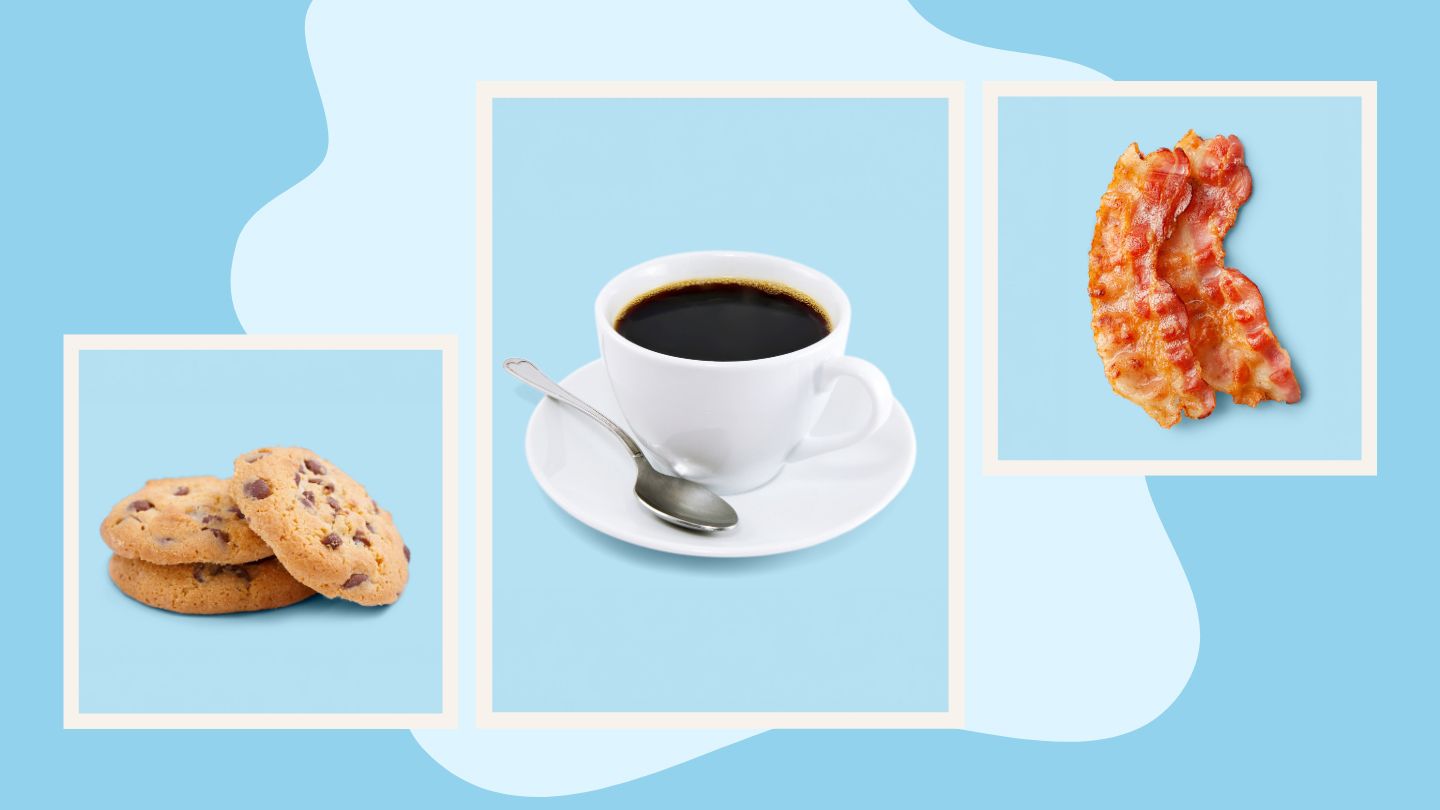
Chips, cookies, and packaged snack foods are typically low in fiber and high in sugar and fat — an unfortunate combination when you’re trying to prevent constipation and straining during bowel movements.
UPFs are manufactured food products made with additives and preservatives — think packaged cookies, energy drinks, or lunch meat.
Eating these foods also creates a vicious cycle, according to Alex Afshar, MD, the founder of the Hemorrhoid Institute in Connecticut. “They’re low in fiber, so here comes your hard stools and straining. And they’re high in fat and sugar, which slow down GI motility,” he says.
When bowel movements are delayed, stool remains in the colon longer, allowing the body to absorb more water from it. The result is drier, harder stool, placing greater pressure on already swollen rectal veins and worsening hemorrhoid symptoms.
These snacks also displace more fiber-rich foods in the diet, reducing your overall intake of nutrients that support bowel health, Dr. Afshar says.
2. Spicy Food
Spicy food can also stimulate more frequent bowel movements. “And when you increase bowel movements, you increase irritation to the rectal area,” Afshar says. More trips to the bathroom can mean more wiping and friction, he says.
For that reason, you should use caution with your favorite spicy dishes when you have hemorrhoids and avoid them if necessary, to help reduce discomfort on an already inflamed, sensitive area. As Sheth says, “You don’t want to add fuel to that fire.”
3. Processed Meats
Like many packaged snacks, processed meats typically contain no fiber, and are often high in sodium. High sodium intake can contribute to dehydration, especially if fluid intake is insufficient, Afshar says.
Without enough fiber or adequate hydration, stools can become less bulky, drier, and more difficult to pass, increasing the likelihood of straining, she says.
4. Excess Caffeine
Many people say they rely on that morning cup of coffee to help them “go,” as caffeine stimulates the colon and can trigger a bowel movement, Tadiparthi says. Some research has even linked coffee consumption to an increased risk of diarrhea.
At the same time, caffeine is a mild diuretic and may contribute to dehydration in some people. Dehydration can lead to harder stools, which increases straining and pressure on swollen rectal veins.
Still, caffeine comes with a long list of benefits, including supporting brain health and lowering the risk of chronic diseases, Sheth says. “Overall, I think it’s a net positive for people in moderation,” he says, cautioning against sugary, creamy, high-fat coffee drinks.
The key is balance. “Relying on coffee as a fluid would make stools harder and exacerbate hemorrhoids,” Tadiparthi says. “It’s very important to stay well hydrated while drinking coffee to avoid making your hemorrhoid symptoms worse.”
5. Alcohol
Like coffee, alcohol is a diuretic, meaning it increases urine production and can contribute to dehydration, especially when consumed in excess.
There’s another factor at play, Afshar says: Alcohol causes vasodilation, or widening of blood vessels. “It causes swelling of the hemorrhoidal vessels. And when that happens, that by itself is uncomfortable,” he says. “Because of all the swelling that’s in the rectal canal,” some people can experience an increase in symptoms after excessive drinking.
6. High Fat Dairy
This, again, raises the risk of straining and added pressure on hemorrhoidal veins, Afshar says. “Anything that is high-fat slows down the motility of the GI tract,” he says.
If full-fat dairy doesn’t change your bowel habits, there’s no need to eliminate it.
7. Red Meat
There are two key issues with red meat: It lacks fiber to bulk up stool and it makes its way through the GI tract slowly, leading to sluggish bowel movements, says Tadiparthi. “Red meat often takes longer to digest than plant-based foods, slowing colonic transit. Slow transit and low bulk of stool make constipation worse, leading to hemorrhoidal inflammation,” she says.
That doesn’t mean you need to cut out steak entirely. “Moderate consumption is fine if you supplement it with your daily fiber and stay hydrated,” Afshar says.
If changing your diet doesn’t improve symptoms within a few weeks, or if your hemorrhoids cause constant itching, burning or frequent bleeding, contact your doctor, Tadiparthi says. There can be other causes of these symptoms, which may require different treatment.
The Takeaway
- Foods that are low in fiber, high in sodium, or are highly processed can worsen hemorrhoid symptoms by causing constipation, dehydration, and increasing the likelihood of straining during a bowel movement — all of which can put pressure on hemorrhoids.
- A hemorrhoid-friendly diet is rich in fiber (aim for 25 to 30 grams daily), and it’s paired with adequate fluid intake to help soften stool, reduce pressure on rectal veins, and lower the risk of increased symptoms.
- If dietary changes don’t improve symptoms after a few weeks, or if you experience persistent bleeding or severe pain during bowel movements, it’s important to see a healthcare provider.
Read the full article here