The 8 Best Oils for Your Health
1. Olive Oil
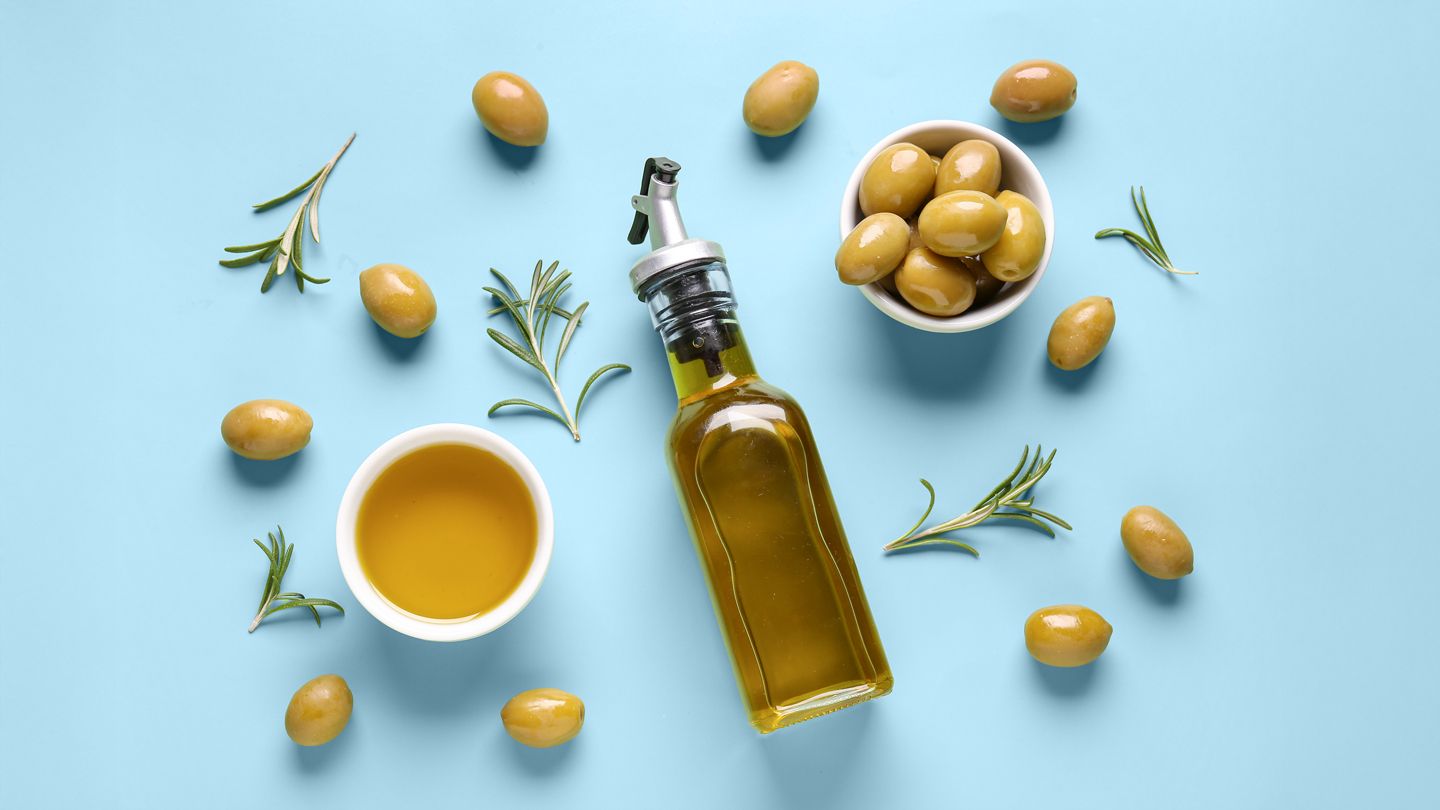
Extra-virgin olive oil has more than 30 phenolic compounds, many of which fight inflammation and expand blood vessels, Palumbo says. Certain types of extra-virgin olive oil contain an anti-inflammatory called oleocanthal, which you can taste as a peppery finish in the back of your throat, she adds.
Use olive oil when preparing sautéed dishes and baked goods, or to drizzle on salads, pasta, and bread. Keep in mind that its relatively low smoke point makes it less than ideal for deep-frying, says New York City–based Beth Warren, RD, author of Living a Real Life With Real Food.
2. Canola Oil
If you’re concerned about solvents in your canola oil, opting for cold-pressed oil could help you get the health benefits without trace amounts of a solvent. Canola oil has a neutral flavor and a higher smoke point than olive oil, so it’s better for higher heat cooking like roasting and frying, says Levinson.
3. Flaxseed Oil
Research also links alpha-linolenic acid to a lower risk of heart disease and high blood pressure.
Don’t heat this oil, as doing so can disrupt its fatty acid content. Instead, use it in cold dishes like smoothies and salads, Warren says.
4. Avocado Oil
If you love avocados, why not give avocado oil a try? “Avocados and avocado oil are rich in healthy monounsaturated fats,” says Levinson.
One review found that avocado oil has excellent nutritional value at low and high temperatures. Levinson advises that avocado oil’s neutral flavor makes it a good option for use in baking.
Keep in mind that research suggests that many avocado oils sold in the United States may be rancid or mixed with cheaper oils such as soybean or safflower oil. The most available research from UC Davis found that Chosen Foods, Marianne’s Avocado Oil, and CalPure were the safest bet for purity.
5. Walnut Oil
“Walnut oil is a healthy choice and a good source of omega-3 fatty acids, primarily alpha-linolenic acid,” says Levinson. Research even shows that a diet that includes walnut oil (and actual walnuts) may have heart-protective effects and help prevent diabetes.
Another study found that people who had high levels of omega-3s in their red blood cells experienced better cognitive function in midlife.
“Walnut oil is unrefined and has a very low smoke point, so it should not be used for cooking. It has a rich, nutty flavor and is best for salad dressings and as a flavor booster to finish a dish,” says Levinson. “Just be sure to keep it refrigerated,” she adds.
6. Sesame Oil
A staple in Asian and Indian cooking, sesame oil is both heart-healthy and delicious. Levinson highlights that sesame oil is also a polyunsaturated fat.
“It has a high smoke point, which makes it good for high-heat cooking like stir-frying, but it does have a strong flavor,” says Levinson. She likes cooking with sesame oil for Asian-style dishes but primarily uses it in sauces and marinades.
7. Grapeseed Oil
Grapeseed oil is low in saturated fat and has a high smoke point, which makes it a healthy choice for all kinds of cooking and grilling, says Warren. Its nutty but mild flavor works well in salad dressings or drizzled over roasted veggies.
8. Sunflower Oil
Sunflower oil is high in unsaturated fats and low in saturated fat. Research suggests that opting for cold-pressed sunflower oil could help you maximize its vitamin E content.
High oleic sunflower oil in particular comes from sunflowers bred to contain more oleic acid, an omega-9 fatty acid that can benefit heart health. It may be particularly good for high-heat cooking and frying.
Read the full article here