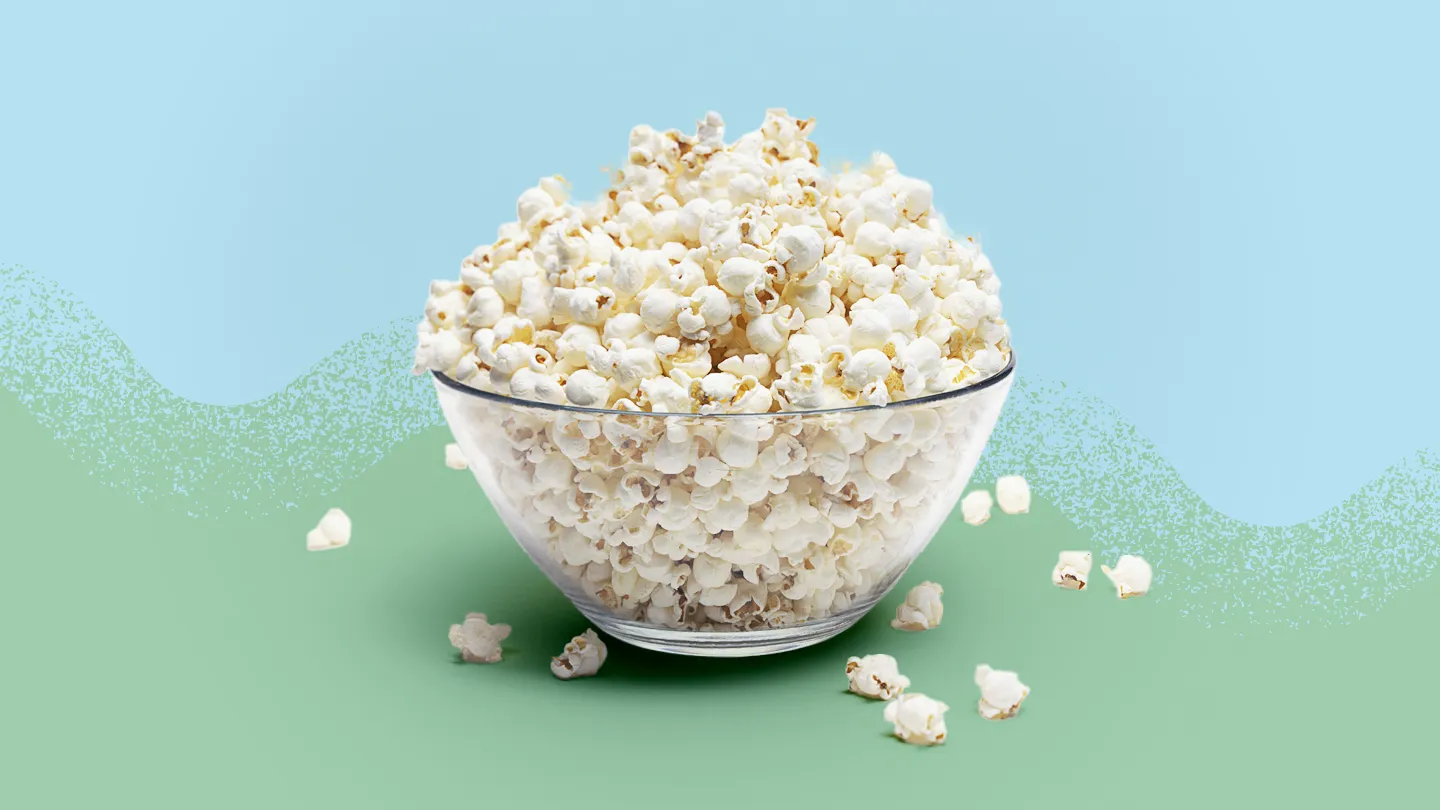
If you love popcorn and have high cholesterol, you may wonder if the tasty treat is a healthy choice and if you should even be eating it. Luckily, you can enjoy this crunchy snack, as long as it’s prepared appropriately.
Here’s the kernel of truth on popcorn and cholesterol and how to make the food part of a healthy diet.
The Basics of Cholesterol
It first helps to know the basics about cholesterol when you’re trying to keep yours in a healthy range.
Although you may think of cholesterol as a bad thing, the waxy substance is crucial for cellular growth and producing vitamins and hormones, according to the American Heart Association. However, too much cholesterol can cause problems.
There are two types of cholesterol: one good (HDL) and one bad (LDL). The “good” variety is tasked with scooping up any extra cholesterol coursing through the bloodstream and moving it to your liver, which works to rid it from your body, according to Mayo Clinic. Having too little HDL can undermine this critical process.
Too much LDL, on the other hand, can clog arteries, upping your risk of developing clots that can result in stroke or heart attack, according to Mayo Clinic. Translation: Aiming for higher HDL and lower LDL numbers is ideal.
According to the American Heart Association, optimal total cholesterol is about 150 mg/dL, while optimal LDL cholesterol is at or below 100 mg/dL
Popcorn and Cholesterol
Is popcorn healthy for you when it comes to your cholesterol? When eaten without additives (like salt and butter), popcorn is a heart-healthy winner, according to Cleveland Clinic. It’s 100 percent whole grain, a good source of fiber, and low in calories.
In fact, a 3-cup serving of air-popped popcorn contains less than 100 calories, no cholesterol, just a single gram of fat, and only 2 grams of sodium, according to the U.S. Department of Agriculture (USDA). Plus, it has 3.5 grams of heart-healthy fiber.
Of course, popcorn’s nutrition content can quickly change depending on how it’s prepared. A medium bucket of movie theater popcorn with butter can contain more than 1,000 calories and pack more than a few days’ worth of unhealthy saturated fat, according to the USDA. And the microwaveable kind you get at the grocery store isn’t so healthy either: It can also be high in fat and calories, thanks to the addition of butter and other flavorings.
But, thinking outside the bag, popcorn can absolutely be a healthy snack. If you stick to the air-popped and unbuttered variety, “popcorn is a good snack food for people with high cholesterol,” says Lona Sandon, PhD, RDN, associate professor at the University of Texas Southwestern Medical Center in Dallas. “It only has cholesterol when you add butter to it.”
If plain popcorn isn’t your thing, try oil-popping your popcorn (and going light on the salt if you add any), which keeps it a low-calorie, low-fat, high-fiber snack. According to Cleveland Clinic, healthy oil options include walnut, avocado, and extra-virgin olive oil.
Other healthier ingredients you can use to jazz up your popcorn instead of butter or salt include:
- Chili powder and lime juice
- Parmesan cheese and fresh rosemary
- Cayenne pepper
- Cajun seasoning mix
- Olive oil, garlic, and black pepper
- Cinnamon
- Nutritional yeast
Cholesterol and Your Diet
One of the best ways to maintain healthy cholesterol levels is through how much and what type of fat you get in your diet. Avoid or limit saturated and trans fats, which can be risk factors for higher LDL (“bad”) cholesterol, according to Mayo Clinic.
“Dietary cholesterol has only a small effect on blood cholesterol,” Dr. Sandon says. “The type of fat one eats matters more.” So, the goal, she says, should be to keep saturated fat low and replace it with healthier, unsaturated fats.
Following a diet that’s low in salt and high in fresh fruits, vegetables, legumes, nuts, seeds, and whole grains can help prevent high cholesterol, according to Mayo Clinic. Popcorn, a whole grain, can fit into that type of diet, so long as you limit the salt and butter.
Read the full article here