


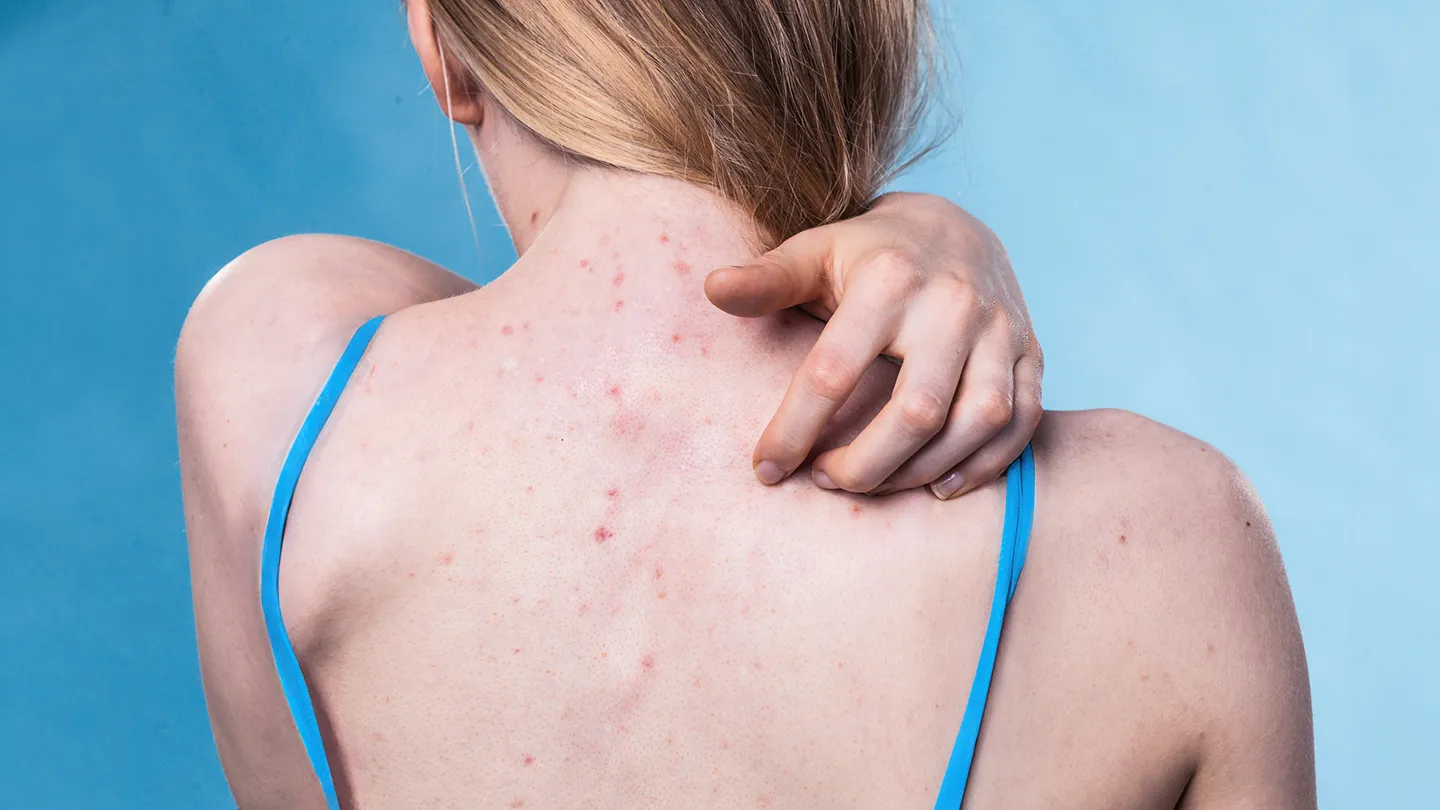
Dermatillomania is a mental health condition that involves obsessively picking the skin so much that it becomes swollen or broken and causes disruption to one’s daily life.e60dc2a1-f33c-4a05-9b50-8e3e8e59762933e2f9eb-8d10-4a1a-934b-0fca758967be It falls under the category of obsessive-compulsive disorders and is also known as skin picking disorder or excoriation disorder. “For many, skin picking can be a response to feelings such as anxiety, boredom, frustration, or tension,” says Sofia Wenzler, PhD , a clinical psychologist based in Tel Aviv, Israel, and one of the clinical leads at SkinPick, an online therapy-based practice for those with dermatillomania. People with dermatillomania tend to pick at areas of the body that they can easily access with their hands, such as the face, scalp, neck, fingers, hands, forearms, thighs, calves, feet, or toes.e60dc2a1-f33c-4a05-9b50-8e3e8e5976297382cac8-3581-4838-a237-4c2e164116a3 Dermatillomania is typically a lifelong condition, and though it is possible to enter remission, more severe cases can affect one’s well-being and lead to stress and anxiety.e60dc2a1-f33c-4a05-9b50-8e3e8e5976297382cac8-3581-4838-a237-4c2e164116a3 You can effectively treat it through various medications and therapy approaches.
Types of Dermatillomania Types Dermatillomania can be either automatic or focused. Automatic dermatillomania occurs when the individual picks at the skin without thinking about it. He or she may run their fingers around their body, called “scanning,” looking for areas that feel different and then choosing that spot to pick.e60dc2a1-f33c-4a05-9b50-8e3e8e597629fda35bd5-f4fa-4175-a6b7-579c6a26c222 Focused dermatillomania, on the other hand, involves concentrating on one specific area for an extended period of time. This type tends to lead to more skin damage because it can go on for hours and produce the most profound harm.e60dc2a1-f33c-4a05-9b50-8e3e8e597629fda35bd5-f4fa-4175-a6b7-579c6a26c222
Signs and Symptoms of Dermatillomania Symptoms The main symptom of dermatillomania is picking, scratching, digging, squeezing, or rubbing the skin compulsively. It’s accompanied by an urge to pick that is extremely difficult to resist. Most people use just their fingernails, but some people use other sharp items like teeth, pins, or tweezers.e60dc2a1-f33c-4a05-9b50-8e3e8e597629c9364c28-6603-4f2f-ac4a-b43d39493ffd Another important symptom, and one that’s required for diagnosis, is that the condition causes significant distress or disruption to one’s life.e60dc2a1-f33c-4a05-9b50-8e3e8e597629152b91e0-1b4f-4cfa-96a5-5da884bb8162 Research has shown that it can be so distressing that it leads to social and work-related problems.e60dc2a1-f33c-4a05-9b50-8e3e8e59762918de26c4-036d-4bad-9fb2-d63defed549a
Causes and Risk Factors of Dermatillomania Causes Experts still aren’t entirely sure what causes dermatillomania, though research suggests some factors may contribute to its development.e60dc2a1-f33c-4a05-9b50-8e3e8e5976297ceec856-6845-4769-a7fa-d881609a0888 “Dermatillomania is influenced by a combination of factors, including genetic predisposition, neurobiological differences in brain regions involved in impulse control and emotional regulation, and environmental triggers like stress or trauma,” Dr. Wenzler says. There seems to be a genetic component, so if you have a parent or sibling with the condition, you’re more likely to develop it. One study found 43 percent of people with dermatillomania had at least one parent or sibling with a psychiatric disorder, most commonly trichotillomania (hairpulling), skin picking, or depression.e60dc2a1-f33c-4a05-9b50-8e3e8e597629dffed1f0-b798-4474-a9e2-60de9a03dfab It’s common for someone with dermatillomania to also have depression or trichotillomania.e60dc2a1-f33c-4a05-9b50-8e3e8e5976297ceec856-6845-4769-a7fa-d881609a0888 One study used magnetic resonance imaging to examine the brains of people with dermatillomania and compared them with those of people without the condition. The researchers found that those with dermatillomania had some notable differences in parts of the brain that play a role in the motor action of the hand and deliver an abnormal satisfaction achieved by picking the skin.e60dc2a1-f33c-4a05-9b50-8e3e8e59762933f60590-77da-4161-9a00-c008aff1f127 Finally, dermatillomania can sometimes serve as a coping mechanism for stress, anxiety, another mental health condition, or even boredom.e60dc2a1-f33c-4a05-9b50-8e3e8e597629fc5cf8a7-16c1-4b88-afc6-2df8b1d12be1 Frustration, tension, or personality traits such as perfectionism or high sensitivity may also contribute to the urge to pick, Wenzler says.
How Is Dermatillomania Diagnosed? Diagnosis To diagnose dermatillomania, a healthcare provider typically performs a physical exam to review physical signs of skin picking and also asks about your family history, life circumstances, and related behaviors. Blood tests typically aren’t needed, unless the doctor wants to rule out another condition.e60dc2a1-f33c-4a05-9b50-8e3e8e59762920373d04-4ce3-4374-a9a5-1a9ef6c5a405 A mental health professional can diagnose dermatillomania. Dermatologists can also diagnose it if they see signs, and then they will typically recommend mental health support, says Saami Khalifian, MD , a double board-certified dermatologist and skin cancer surgeon and the founder of the private cosmetic skin-care practice SOM Aesthetics based in Encinitas, California. “[A dermatologist’s] role is to manage the skin and guide recovery, while also connecting patients with psychologists or psychiatrists who can support the behavioral aspect,” he says. There are five things your provider will look for in order to reach a diagnosis:e60dc2a1-f33c-4a05-9b50-8e3e8e59762920373d04-4ce3-4374-a9a5-1a9ef6c5a405 Ongoing skin picking Attempts to stop skin picking Disruption to everyday life, such as if you feel embarrassment or shame Itching that isn’t caused by other medical conditions or drugs Behaviors that aren’t caused by other mental health conditions, such as body dysmorphic disorder
Treatment and Medication Options for Dermatillomania Treatment Treatment for dermatillomania includes medical and therapeutic options. CBT and Other Therapy “Therapy is considered the most effective and essential treatment for skin picking,” Wenzler says. Though there isn’t a first-line therapy recommendation, one review reported that cognitive behavioral therapy (CBT) was one of the most effective types of behavioral therapy for dermatillomania.e60dc2a1-f33c-4a05-9b50-8e3e8e5976293822e2c8-ca23-4999-83b5-0faeeb6227b1 CBT helps people learn how to change their thoughts in order to change their skin picking behavior.e60dc2a1-f33c-4a05-9b50-8e3e8e597629f4837170-c6fc-40ae-973b-0dbffb104a61 Two other therapeutic approaches may also be helpful: habit reversal training and the comprehensive behavioral model.e60dc2a1-f33c-4a05-9b50-8e3e8e597629f4837170-c6fc-40ae-973b-0dbffb104a61 Habit reversal training sets out to stop or reduce the frequency of the unwanted habit by replacing that habit with another.e60dc2a1-f33c-4a05-9b50-8e3e8e59762959009e45-05c5-45d9-8365-c7e0189916db The comprehensive behavioral model is a relatively new approach that evaluates one’s environment and helps create a setting that reduces the urge to pick.e60dc2a1-f33c-4a05-9b50-8e3e8e597629706da5b6-ed20-4c76-9774-5694a335529e Acceptance and commitment therapy, which supports people in managing emotional triggers and increasing psychological flexibility, can also be effective, Wenzler says. “These therapies help build awareness of picking behaviors, develop healthier alternatives, and address emotional regulation,” she says. They’re most effective when delivered by clinicians specifically trained in treating body-focused repetitive behaviors, she adds. Medication Options No specific medication has been approved by the U.S. Food and Drug Administration for the treatment of dermatillomania.e60dc2a1-f33c-4a05-9b50-8e3e8e5976299697b456-1ffc-4c8a-aff1-c7a26c77cdb9 However, several categories of medications are currently being used for treatment, including:e60dc2a1-f33c-4a05-9b50-8e3e8e597629265bf98f-a983-4f08-9aaa-cddc71c74543 Antidepressants , such as selective serotonin reuptake inhibitors (SSRIs) Anticonvulsants , such as a medication called lamotrigine, which alleviates uncontrollable muscle movements Antipsychotics , which can alter the brain chemistry to address the issue Nutraceuticals , which are nutrition-related products that can alter mental health conditions. The amino acid supplement N-acetylcysteine in particular may be helpful. Medication tends to be most helpful when you also have anxiety or depression, Wenzler says. Otherwise, she says therapy is generally more effective. Occasionally, if the skin cuts caused by dermatillomania become infected, antibiotics may be needed.e60dc2a1-f33c-4a05-9b50-8e3e8e597629265bf98f-a983-4f08-9aaa-cddc71c74543 “If the skin shows signs of infection, I may prescribe topical or oral antibiotics to support healing,” Dr. Khalifian says. “Occlusive dressings and barrier creams are also helpful in protecting the skin and calming inflammation.” Surgery Though it’s not common, surgery may be needed in extreme cases to repair skin damage caused by skin picking. Skin grafting surgery is one such surgery.e60dc2a1-f33c-4a05-9b50-8e3e8e597629265bf98f-a983-4f08-9aaa-cddc71c74543 This involves transplanting a patch of skin from one area of the body to another.e60dc2a1-f33c-4a05-9b50-8e3e8e5976294cb209f6-4430-44f1-b88a-450b98249a31 Alternatively, Khalifian says he may recommend regenerative laser treatments to rebuild the skin gradually. “For patients prone to picking, we take extra steps during recovery, like using transparent or silicone-based dressings to protect healing skin and reduce itchiness that might trigger the urge to pick,” he says.
Prevention of Dermatillomania Prevention Preventing dermatillomania can be difficult, as it can be unpredictable and experts aren’t sure exactly what causes it.e60dc2a1-f33c-4a05-9b50-8e3e8e597629ce7bf173-a51d-4f1d-a732-a61aa61a8a49 “While excoriation disorder can be influenced by genetic and neurological factors, these are only part of a broader picture,” Wenzler says. “Traits such as impulsivity, emotional sensitivity, difficulties with emotional regulation, high levels of stress, trauma history, and environmental modeling (such as observing others engage in similar behaviors) can all contribute to its development.” That said, it is possible to reduce the severity of the disorder with early awareness and support, Wenzler says. “While no single method can guarantee prevention, being proactive — especially during adolescence when the condition often begins — can help minimize the likelihood of the behavior becoming ingrained,” she says.
Lifestyle Changes for Dermatillomania Lifestyle Changes Because one’s environment has so much to do with dermatillomania, altering that setting or engaging in other activities can dramatically reduce the urge to pick. Avoid Triggers You may notice that you tend to pick when you’re in certain situations or places. Identify those settings and avoid them (if possible) to minimize the urge to pick.e60dc2a1-f33c-4a05-9b50-8e3e8e5976296982468a-8150-4d77-85c9-30ee5633b634 One review of about 260 people with dermatillomania reported that the most common triggers were stress and the “feel” of the skin, meaning feeling the need to pick at something that felt wrong on the skin.e60dc2a1-f33c-4a05-9b50-8e3e8e59762994700161-06f8-4b95-9c69-9b4a163af1a8 Develop Effective Coping Skills Since skin picking can be an emotional response, finding alternative, healthier ways to deal with those feelings (primarily with the help of a therapist) can help avoid skin picking altogether. Developing healthy coping strategies for managing stress and intense emotions and developing emotional regulation skills can make a meaningful difference, Wenzler says. Finding ways to calm down and de-stress can also help, such as going for a walk outside, playing with a pet, or doing something creative, she suggests. Occupy Your Hands Some people benefit from holding a fidget spinner or wearing gloves. When the hands are occupied, it reduces the opportunity to pick.e60dc2a1-f33c-4a05-9b50-8e3e8e5976296982468a-8150-4d77-85c9-30ee5633b634 Trim Your Nails Shorter nails make it harder to pick and help prevent damage to your skin.e60dc2a1-f33c-4a05-9b50-8e3e8e597629142cef86-15a4-4d43-9f36-856a15b4597c Seek Appropriate Medical Help The type of medical care you need depends on what’s causing you to pick. If you tend to pick at acne lesions , for instance, proactively visit a dermatologist to treat the acne and reduce the desire to pick. “A simplified, barrier-supportive skin-care routine can also reduce the need to ‘fix’ the skin manually,” Khalifian says. If the root of the picking is related more to depression or anxiety, then meeting with a mental health professional with experience in this area may be a better fit.e60dc2a1-f33c-4a05-9b50-8e3e8e597629142cef86-15a4-4d43-9f36-856a15b4597c
How Long Does Dermatillomania Last? Prognosis and Outlook Unfortunately, there’s always a chance of relapse, so dermatillomania tends to be a lifelong condition. Still, it’s worth pursuing treatment because it is possible to enter remission.e60dc2a1-f33c-4a05-9b50-8e3e8e597629f323f25c-bdf5-4911-8498-bbb4782bd59a Relapse can happen, especially during stressful times, but many people experience long-term improvement, and some achieve full remission with the right therapeutic support, Wenzler says. One study found that 87 percent of people with the disorder did not seek treatment, but among those who did pursue treatment, 87 percent found it helpful.e60dc2a1-f33c-4a05-9b50-8e3e8e59762920767305-906c-4228-bad7-d1fd342ca898
Complications of Dermatillomania Complications Skin picking can damage the skin barrier.e60dc2a1-f33c-4a05-9b50-8e3e8e597629a56bc10c-9bb1-409e-895d-e7e9ca7e3779 It can lead to bleeding, bruising, and scarring.e60dc2a1-f33c-4a05-9b50-8e3e8e59762953a9fd50-7410-46e6-af54-313a2a500e28 If the damage to your skin is severe, you may experience excessive bleeding or serious infections, such as pyogenic myositis, osteomyelitis (bone infection), or sepsis .e60dc2a1-f33c-4a05-9b50-8e3e8e597629a56bc10c-9bb1-409e-895d-e7e9ca7e3779 Infections such as sepsis are life-threatening. You should seek emergency medical care if you notice redness or color changes around the site, fast heart rate, fever or chills, confusion, or dizziness.e60dc2a1-f33c-4a05-9b50-8e3e8e5976298edb1cf9-2919-433e-a280-b289db9ce175 Another major complication of dermatillomania is the effect it has on one’s mental health. Dermatillomania can lead to emotional distress from the pain, embarrassment, and the desire to hide the scars and wounds.e60dc2a1-f33c-4a05-9b50-8e3e8e597629a56bc10c-9bb1-409e-895d-e7e9ca7e3779
Research and Statistics: Who Has Dermatillomania? Research and Statistics Dermatillomania: Typically begins around the time of puberty, about age 13 to 15.e60dc2a1-f33c-4a05-9b50-8e3e8e59762997220a73-d2ad-4abb-8b2d-3dce5bf89617 “It often coincides with the stage when people start taking responsibility for their own grooming,” Wenzler says, adding that it can also begin earlier in childhood or later in adulthood. Affects between 1.4 and 5.4 percent of Americanse60dc2a1-f33c-4a05-9b50-8e3e8e59762997220a73-d2ad-4abb-8b2d-3dce5bf89617 Is more common in women (making up about 55 percent of cases)e60dc2a1-f33c-4a05-9b50-8e3e8e597629862617e8-e9bd-43a1-a268-b392b0bed93c Has a remission rate of about 13 percente60dc2a1-f33c-4a05-9b50-8e3e8e59762905d827bf-0add-479f-ae07-ff274b158e02
Related Conditions Related Conditions Dermatillomania can co-occur with other conditions, including:e60dc2a1-f33c-4a05-9b50-8e3e8e59762943b62f15-dfe5-4d38-9a7f-3e1e39640c87 Obsessive-Compulsive Disorder (OCD) As an impulse control disorder, dermatillomania falls under the category of OCD because it also includes recurrent thoughts, images, or impulses. Those struggling with dermatillomania may have other compulsions or obsessions as well.e60dc2a1-f33c-4a05-9b50-8e3e8e597629563a7577-5bea-43d3-9394-d19a1b54257a Trichotillomania Another disorder on the OCD spectrum, this is an obsessive urge to pull one’s hair.e60dc2a1-f33c-4a05-9b50-8e3e8e597629563a7577-5bea-43d3-9394-d19a1b54257a It’s also a body-focused repetitive behavior that shares characteristics and biochemical changes with skin picking.e60dc2a1-f33c-4a05-9b50-8e3e8e597629c58dabfa-01bb-4cf2-9320-278194f99162 Post-Traumatic Stress Disorder People with dermatillomania are more likely to suffer from post-traumatic stress disorder or childhood trauma, compared with others without those conditions.e60dc2a1-f33c-4a05-9b50-8e3e8e597629c58dabfa-01bb-4cf2-9320-278194f99162 Depression As many as half of those with skin picking also have depression , which is associated with a depressed mood, altered sleep and appetite, and impaired cognitive function.e60dc2a1-f33c-4a05-9b50-8e3e8e597629c58dabfa-01bb-4cf2-9320-278194f99162 Anxiety There’s a lot of overlap with anxiety, with anywhere from 21 to 63 percent of those with skin picking disorder also having generalized anxiety disorder . This is why SSRIs (a common anxiety treatment) are a treatment option for dermatillomania.e60dc2a1-f33c-4a05-9b50-8e3e8e597629c58dabfa-01bb-4cf2-9320-278194f99162 Attention-Deficit Hyperactivity Disorder (ADHD) According to one review, ADHD was the fourth most common comorbidity, affecting about 8 percent of the study participants.e60dc2a1-f33c-4a05-9b50-8e3e8e597629c58dabfa-01bb-4cf2-9320-278194f99162 This may be because ADHD increases the tendency to act on skin picking behaviors. Prader-Willi Syndrome A rare genetic disorder, Prader-Willi syndrome comes with a sense of being hungry all the time and may also include behavioral problems like skin picking.e60dc2a1-f33c-4a05-9b50-8e3e8e59762922c433f3-6b04-4243-adfe-7684ae27b119
Support for People With Dermatillomania Support Pick, Pull, Bite: Finding the Light This support group for body-focused repetitive behaviors meets monthly over Zoom. Those struggling with skin picking, nail biting, hairpulling, and other body-focused repetitive behaviors are invited to connect and share stories, support one another, discuss strategies, and practice acceptance. Online Skin Picking Support Group This group is led by the nonprofit Picking Me Foundation’s CEO, who has personally struggled with dermatillomania. It meets twice a month and brings together roughly 40 people each session. It serves as a safe space for people to share their struggles and strategies that have helped them avoid triggers and cut down on picking.
The Takeaway Dermatillomania is a mental health condition on the OCD spectrum that involves obsessively picking at the skin so much that it disrupts one’s daily life. Dermatillomania is a lifelong condition that can be effectively treated with various medications and therapy options, though relapses can happen. The exact causes of dermatillomania haven’t been identified, but factors that may play a role include genetics, brain structure differences among those with the condition, and conditions such as stress, anxiety, or boredom.
Resources We Trust Cleveland Clinic: Dermatillomania (Skin Picking)Harvard Health Publishing: Picking Your Skin? Learn Four Tips to Break the HabitMental Health America: Excoriation Disorder (Skin Picking or Dermatillomania)SkinPick: Do I Have Dermatillomania?Picking Me Foundation: Selecting Dermatologists
Read the full article here


Leave a comment
