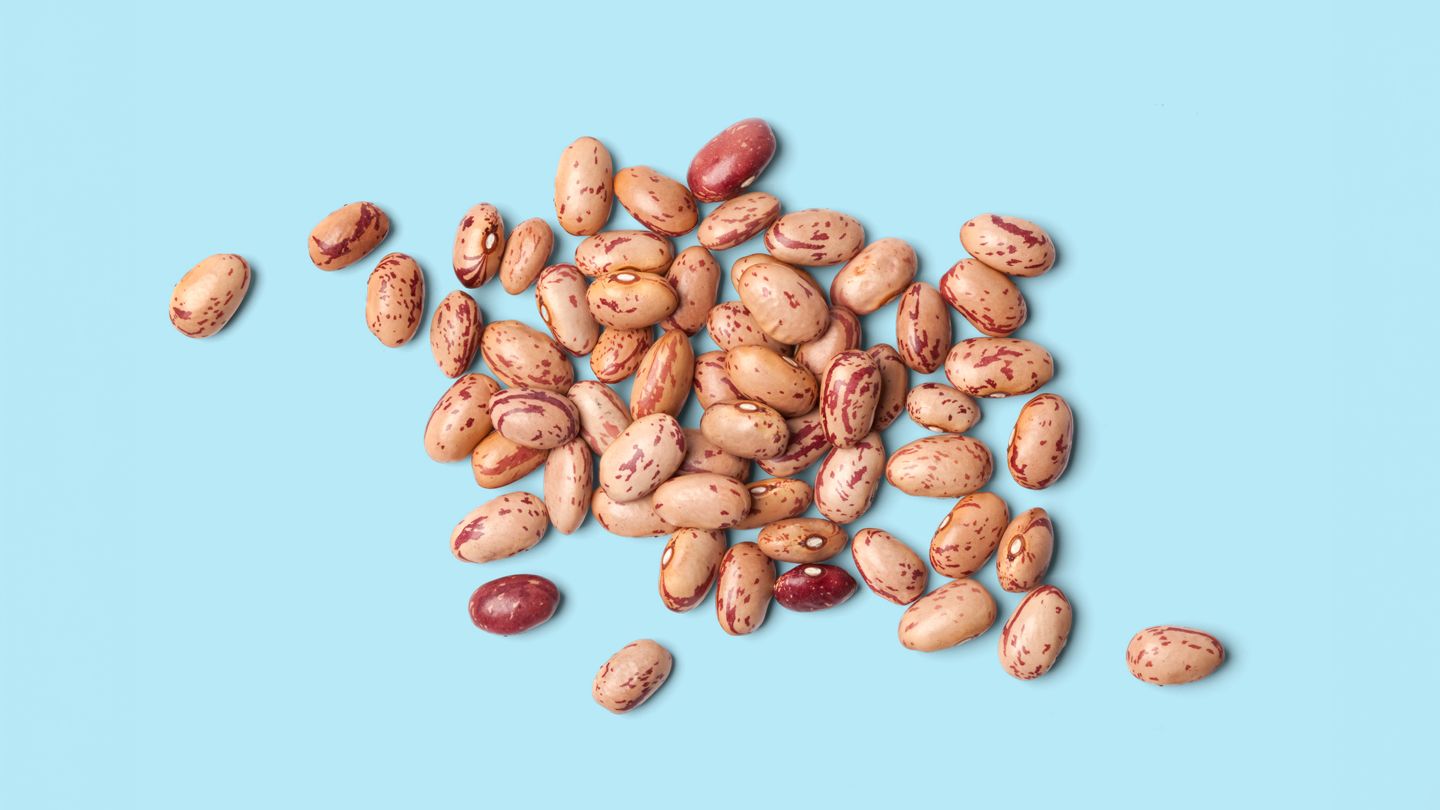
Ever eaten a generous helping of beans and then wished you hadn’t because of the embarrassing sounds (and smells) that followed? Here’s what you need to know about the most and least gassy beans, as well as ways to help with gas prevention.
Most and Least Gassy Beans
Also known as flatulence, gas is air from your intestine that you pass from your bottom. It is normal for gas to be produced in your intestines when your body digests food. While many people may think they produce excessive gas, it is normal for people to pass gas up to 20 times a day, according to Mayo Clinic.
Some foods are more likely to give you gas than others. Common foods that can produce gas include beans, lentils, bran, broccoli, cabbage, cauliflower, bok choy Brussels sprouts, dairy containing lactose, and carbonated drinks like soda and beer, Mayo Clinic notes.
While there’s no definitive ranking of the most gas-producing beans, Cleveland Clinic notes that some research shows pinto beans and baked beans are more likely to give you gas. Black-eyed peas, on the other hand, are among the least gassy beans.
Why Do Beans Cause Gas?
Wondering about the connection between beans and flatulence? Two specific components in beans can cause gas.
The first is fiber, an indigestible carbohydrate found in plant-based foods that passes through your digestive system intact, according to the Harvard T.H. Chan School of Public Health. Beans are a rich source of fiber. Just a half-cup of beans has 6 to 8 grams of fiber, notes Cleveland Clinic.
If you have recently increased your fiber intake, your body may be struggling to cope with it. However, if you start eating beans regularly, your digestive system will adjust to it after a few weeks and eating beans won’t give you as much gas.
Beans also contain other types of carbs that are difficult to digest, including a complex sugar called raffinose, notes International Foundation for Gastrointestinal Disorders. According to research, humans lack the enzyme alpha-galactosidase, which is necessary to break down raffinose in the small intestine. The sugar passes into the large intestine, where it is fermented by gut bacteria, producing gas and causing digestive discomfort. Raffinose is also present in other high-gas producing foods like broccoli, cabbage, and Brussels sprouts.
Preventing Gas from Beans
You shouldn’t miss out on beans just because they cause gas. Beans are loaded with nutrients like fiber, protein, iron, potassium, magnesium, and B vitamins, according to UCLA Health. They are low in fat and can also help reduce your risk of conditions like cancer, high blood pressure, and high cholesterol.
There are a couple of tricks you can try to help make beans less gassy. For instance, Mayo Clinic suggests always rinsing canned beans and cooking them until they are very soft for gas prevention.
Another trick is to soak the beans in water either before you cook them or after you boil them, to help get rid of some of the gas-producing carbs. MedlinePlus recommends soaking them overnight in plenty of water.
And remember, after a few weeks of regularly eating beans, your digestive system should adjust and you shouldn’t get too gassy after eating them. If you experience excessive gas that is frequent, painful, and interrupts daily activities, talk to your doctor.
Read the full article here