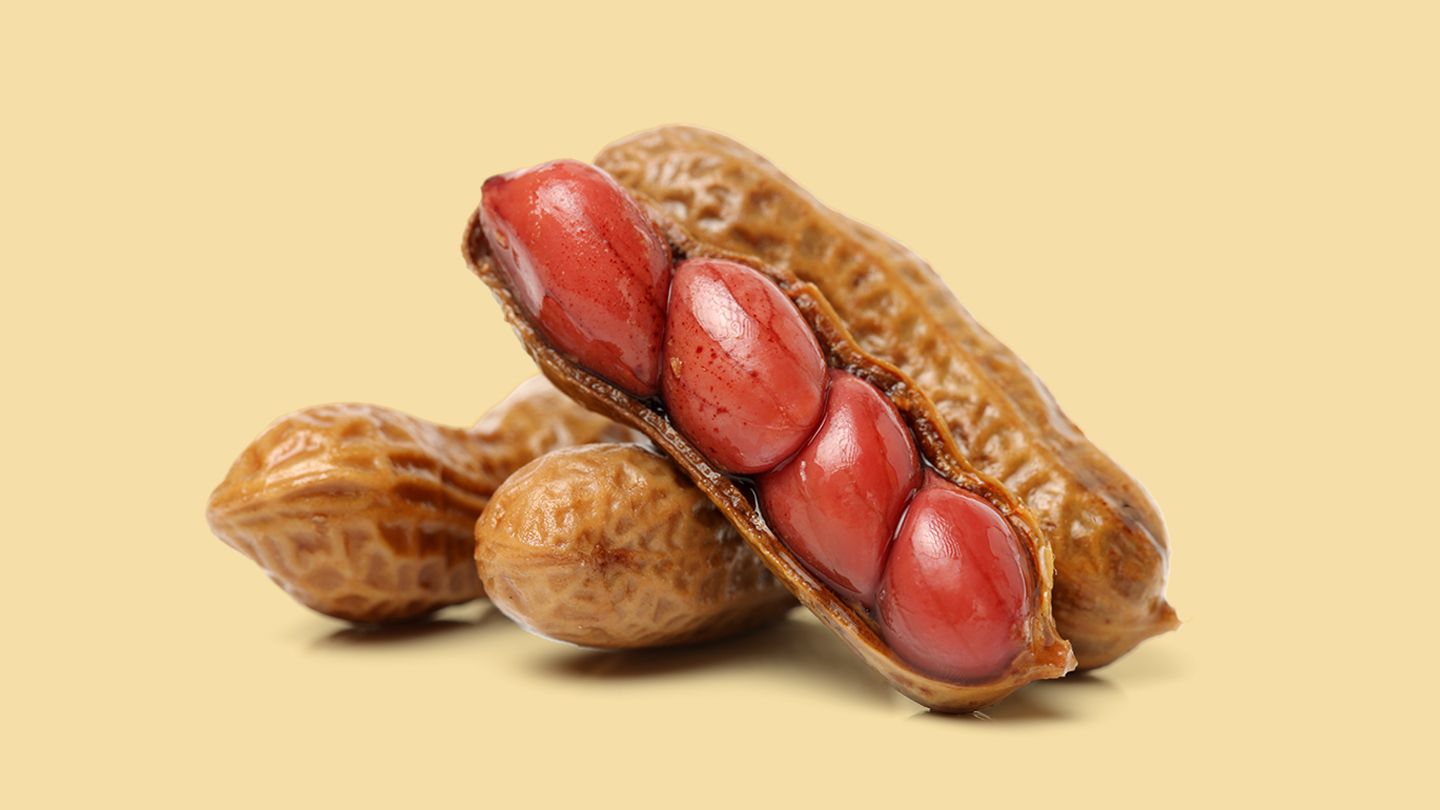
Boiled peanuts are a traditional and healthy snack food in many parts of the South. Most Southerners say that appreciation of boiled peanuts is an acquired taste, however, and not necessarily something you’ll savor on your first tasting. But if you enjoy the taste, are there health benefits of eating boiled peanuts?
Turns out, boiled peanuts have all the health benefits of roasted peanuts, with more antioxidants. They also make you feel full, so they’re not only a healthy snack, but they’ll also combat your hunger pangs. Here’s what you need to know.
What Are Boiled Peanuts?
Boiled peanuts are a common snack in the South. The Peanut Institute explains that peanuts prepared this way originally comes from Africa, but became popular in the U.S. during the Civil War. In the South, you’ll often see signs advertising boiled nuts along interstates and local roadways. These peanuts are usually green or raw that are boiled in salty water, sometimes outdoors over a fire.
After several hours, the boiled legumes are ready. The shells become soft, and fans of boiled peanuts bite into the shell, which releases not only the little peanut but the brine as well. As a result, the peanuts taste soft and mushy. Enjoy both the brine and the peanut, and just as with roasted peanuts, spit out the shell.
Boiled peanuts contain the same nutrients as roasted peanuts, and even more antioxidants, according to Nutritionex. However, boiled peanuts need to be refrigerated or frozen when you’re not eating them so they don’t become slimy or inedible.
Benefits of Eating Peanuts
Peanuts, for most people, are a healthy snack option. Although they are usually eaten roasted, eating boiled nuts is another way to get the health benefits of peanuts. The National Peanut Board explains that peanuts contain more than 30 vitamins and minerals, and are also a good source of healthy fats and dietary fiber.
A serving of 100 grams (g) of raw peanuts, or a half cup, provides the following nutrients, according to the Agricultural Research Service:
- Protein 23.2g
- Fat 43.3g
- Fiber 8g
- Calcium 49 milligrams (mg)
- Magnesium 180mg
- Phosphorus 380mg
- Potassium 636mg
Even after cooking peanuts, they provide significant percentages of potassium, calcium, copper, iron, magnesium, manganese, zinc, and selenium.
A study published in April 2024 suggests that peanuts are also a good source of resveratrol, a type of antioxidant that helps prevent cell damage and reduce inflammation. And because peanuts contain healthy fats, they also play a role in your cholesterol levels. Research published in March 2022 also found that eating peanuts in moderation helped lower cholesterol.
How to Make Boiled Peanuts
If you’re ready to give boiled peanuts a try, here’s how to get started. Use a large stock pot. Dissolve 1 cup of salt into 2 gallons of water, add green peanuts, and bring to a boil. Cover the pot and maintain a low boil for 45 minutes, making sure the water covers the peanuts. Turn off the heat, and carefully remove a peanut to sample. If it’s no longer crunchy, it’s ready. If it’s still crunchy, bring the water to a boil again, and cook the peanuts a little longer. Once they’re soft and mushy, allow them to cool in the water. When cool, drain the water out of the pot. Now your peanuts are ready to eat and enjoy.
Read the full article here