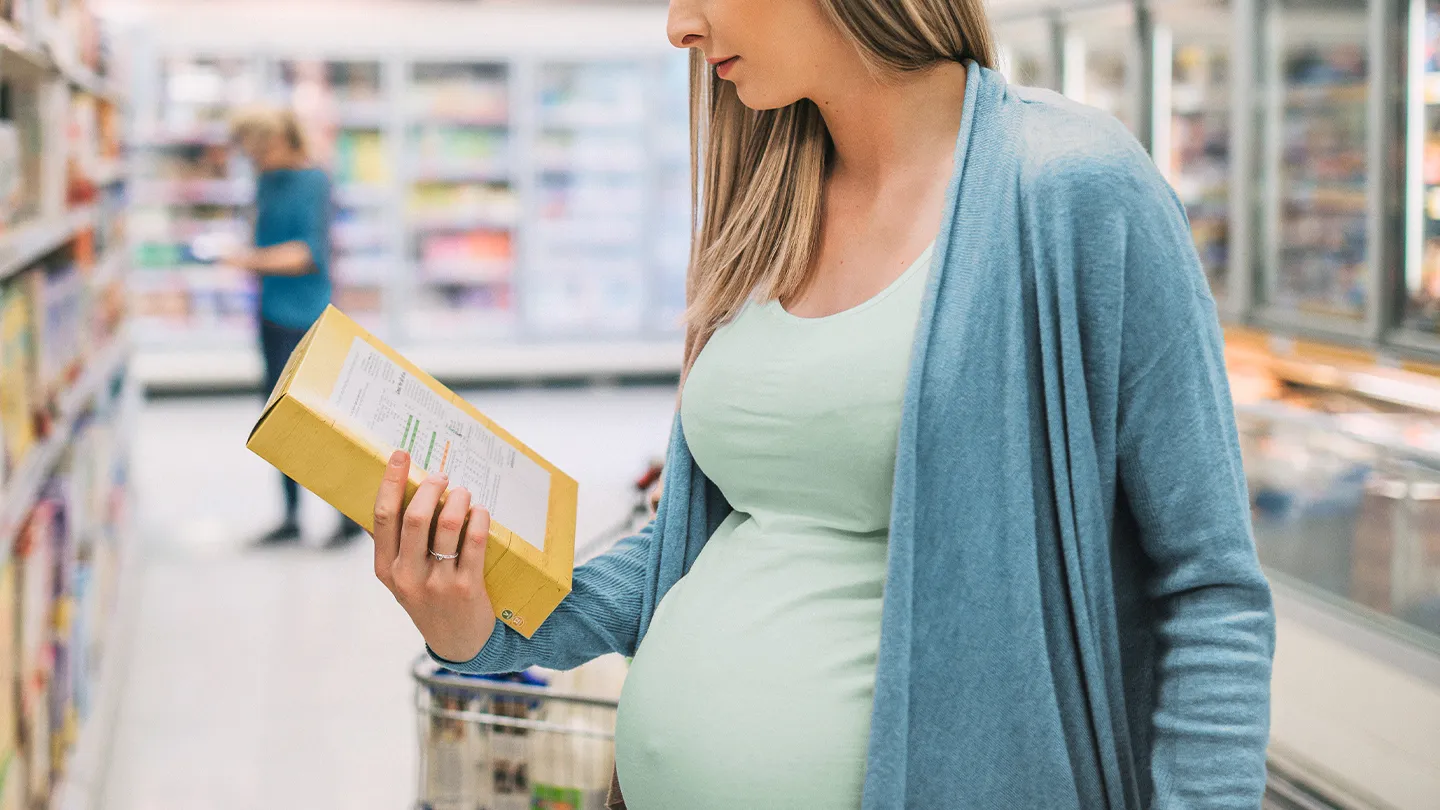
Nutrition during pregnancy is crucial to healthy fetal development. As such, experts routinely recommend that pregnant people avoid certain fish, undercooked meats, soft cheeses made with unpasteurized milk, and large amounts of caffeine. The American Academy of Pediatrics also highlights the potential adverse effects of certain food additives on children’s health and recommends pregnant people avoid foods that contain them.
Be Mindful of Sugar Substitutes
Most low-calorie sweeteners that the U.S. Food and Drug Administration (FDA) has approved or recognized as safe are considered okay to consume in moderation during pregnancy. With that said, their effects on young children and pregnant people are still being studied.
While aspartame is generally regarded as safe for pregnant people by the FDA, experts say to avoid aspartame in foods if you have a history of the genetic disorder phenylketonuria (PKU). This genetic disease can create a buildup of phenylalanine because of your body’s inability to break it down. In large amounts it can cause fetal brain defects because the body can’t break down the phenylalanine found in aspartame.
Saccharin (Sweet’N Low) is less commonly used today than in the past, but it can cross the placental barrier and remain in fetal tissue. While more research is needed to determine the effects of saccharin in pregnancy, most experts recommend prioritizing whole, nutrient-dense foods and limiting your consumption of processed and ultraprocessed foods that are more likely to contain this food additive.
Cyclamate is an artificial sweetener that’s currently banned in the United States. There’s insufficient data regarding the safety of its use during pregnancy, so it should also be avoided if you encounter it outside of the United States while traveling during pregnancy.
If you’re pregnant or trying to conceive and regularly consume artificial sweeteners, talk with your healthcare provider about your preferred sweetener and how much you consume.
Consider Monitoring Your Food Dye Intake
There are currently seven certified color additives approved by the FDA for use in foods. In April 2025, the FDA announced a plan to phase out petroleum-based synthetic dyes from the country’s food supply.
Color additives are linked to a number of pediatric health problems, including behavioral changes in children both with and without disorders like autism spectrum disorder (ASD) and attention deficit hyperactivity disorder (ADHD) as well as children without behavioral disorders. Additionally, research highlights a potential association between food dye consumption and children’s predisposition to pathological conditions like cancer, allergies, and gastrointestinal and respiratory health issues.
Research is limited on whether these adverse health effects of artificial food dye consumption are a concern for embryos or fetuses during pregnancy as well. With that said, the easiest way to stave off potential risk is to limit your consumption of processed and ultraprocessed foods that contain these food additives and rely more heavily on whole, nutrient-dense food choices. Convenience foods may also inadvertently increase your exposure to plastic-based chemicals like bisphenols (BPA) and phthalates, heavy metals, and preservatives, so being mindful of your consumption can help reduce how much of these substances you ingest.
Read the full article here