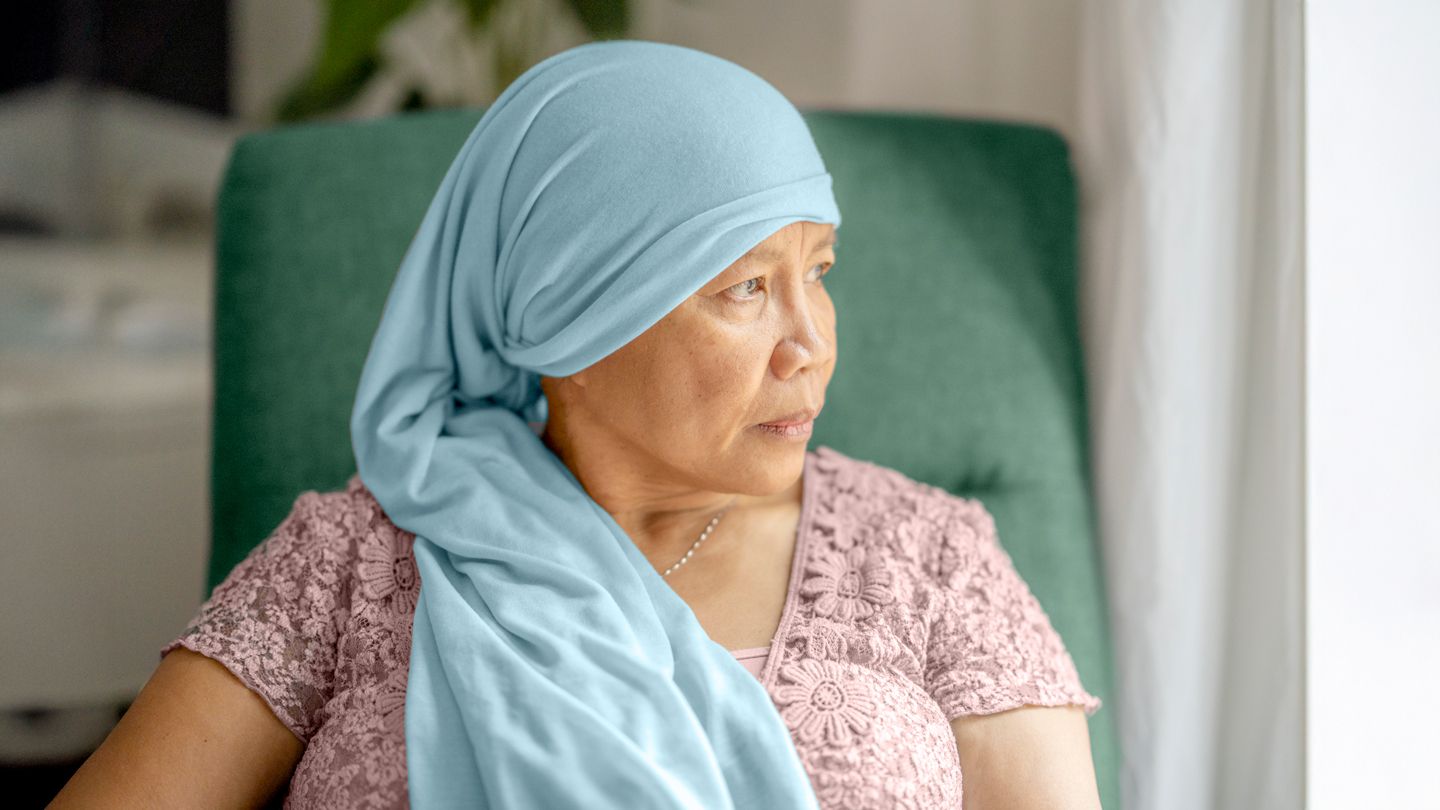
Your emotional reactions during chemotherapy can feel unpredictable, says Kulkarni, but you have options to manage them. “Remember, your emotional health is just as important as your physical health,” says Kulkarni. “You’re not alone. Support is available, and many people find relief with the right combination of strategies.”
Identify Your Triggers
It’s important to learn your triggers, says Cartagena. “These are the day-to-day stressors that, before treatment, felt largely manageable.” When you search for insight into interactions and situations that cause stress, you can see where potential mood swings might occur before you feel anger, says Cartagena.
Talk to Your Provider Often
Tell your oncologist or nurse how you’re feeling, says Kulkarni. They can help identify the cause and offer support or find you the help you need.
If your emotions get too overwhelming, you can also ask your provider about medications that could help during and after treatment, says Kulkarni. “Your doctor may recommend medications like antidepressants or anti-anxiety drugs to help you feel more balanced.”
Seek Emotional Support
Kulkarni recommends looking for local resources or clinical mental health resources within your hospital system, such as counseling, support groups, or psycho-oncology specialists. These support systems can help you process your feelings, says Kulkarni.
“Think of mental health support as a fundamental part of your medical care. In the same way you have team members checking in on your immune system and other parts of your body, it’s important to have team members checking in on how your brain is doing, too,” says Cartagena.
Try Self-Soothing With Relaxation Techniques
But if you find yourself suddenly angry, it’s also important to give yourself space instead of jumping right into a self-soothing attempt, says Cartagena. “Trying to use a coping strategy while in the middle of the stressor can be tricky and lead to more frustration.”
One way to reregulate your nervous system is with deep breathing techniques, says Cartagena. “I often do ‘4-7-8 breathing’ with patients — inhaling for 4 seconds, holding for 7 seconds, and exhaling for 8 seconds.”
Reflect Without Judgment
When you feel angry, it’s easy to get frustrated with yourself. But your anger doesn’t mean anything is wrong with you, and it’s important to reflect on your emotions without judging them, says Cartagena.
Talk to Family and Friends About Chemo Rage
As the people closest to you, your family and friends may experience the brunt of your powerful emotions and may not understand where this is coming from. But you can help your loved ones by explaining what chemo rage is and asking for the support you need.
Read the full article here