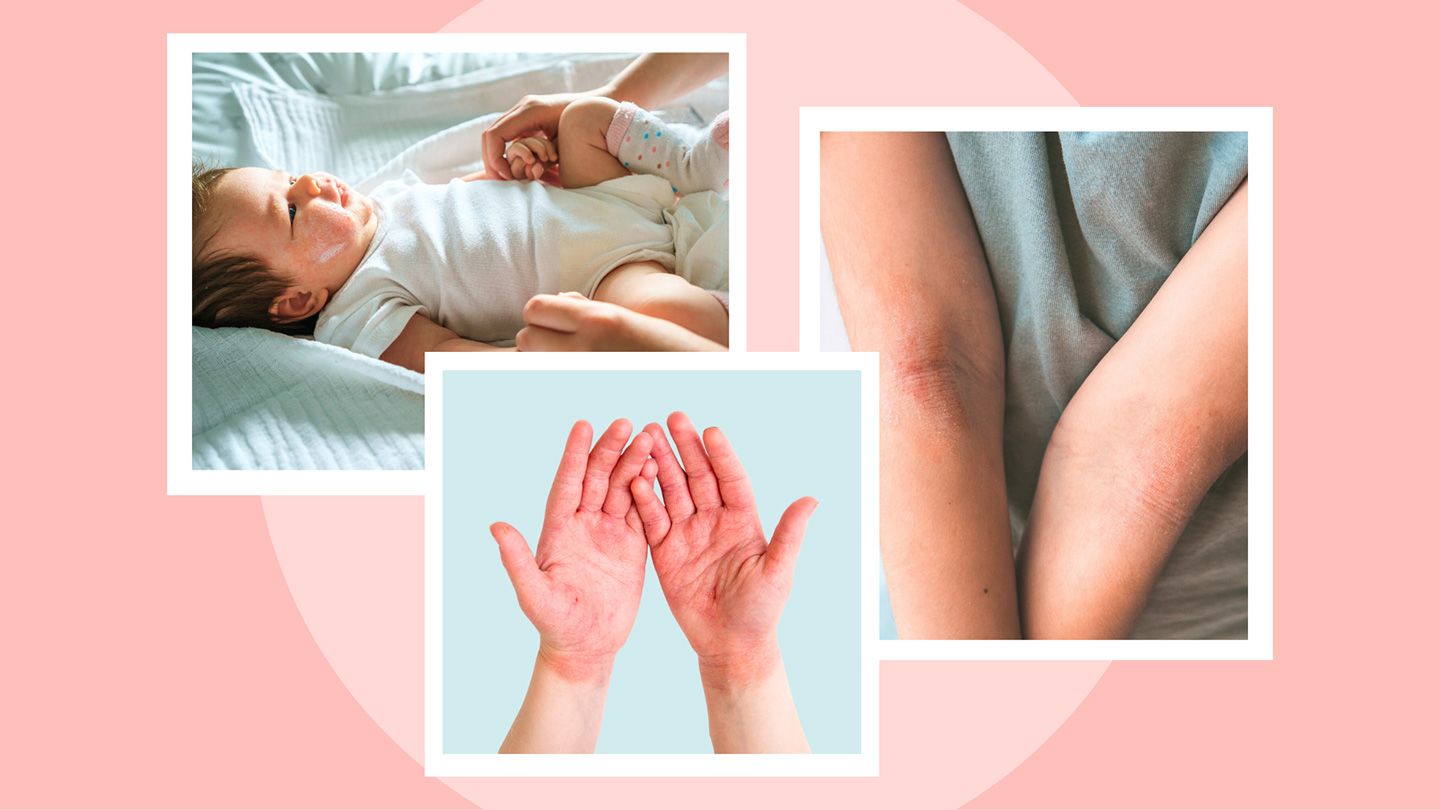
Mild eczema can be treated primarily with over-the-counter treatments that moisturize skin and reduce itching. Moderate to severe eczema requires more advanced therapies and lifestyle changes.
Topical Treatments Treatment in children is similar to what’s used for adults, says Mallick. That means starting with moisturizers that are unscented and dye-free to repair the impaired skin barrier. A dermatologist will likely also recommend a topical corticosteroid to control skin inflammation — which is crucial for minimizing itching. You can try something available over the counter, such as a hydrocortisone cream, and move up to higher-strength prescription steroid or nonsteroid creams if needed.
“If those aren’t controlling symptoms, systemic treatments may be necessary, and those are always prescribed by a medical professional,” Mallick says. “Parents and caregivers should consult a dermatologist when treatments such as moisturizers and topical corticosteroids aren’t working.”
Systemic Treatments These are medications that work throughout the body. They include biologics that calm specific parts of the immune system, and JAK inhibitors, which block certain enzymes known to cause inflammation.
Other systemic treatments, such as oral steroids and immune-suppressing medications including cyclosporine and methotrexate, are used less often in children because of the risk of side effects, and are typically reserved for chronic, severe cases that haven’t responded to other treatments.
Most likely, treatment options will be combined on the basis of a child’s symptoms and frequency of severe flares, says Tanya Evans, MD, a dermatologist and the medical director of the skin cancer program at the melanoma clinic at MemorialCare Saddleback Medical Center in Laguna Hills, California.
“We have so many oral, topical, and injectable medications that reduce the inflammatory pathway that causes atopic dermatitis but don’t suppress the immune system,” she adds. “There are also many different medications in the pipeline for atopic dermatitis for both children and adults, so we have many options when it comes to tailoring treatment.”
Read the full article here