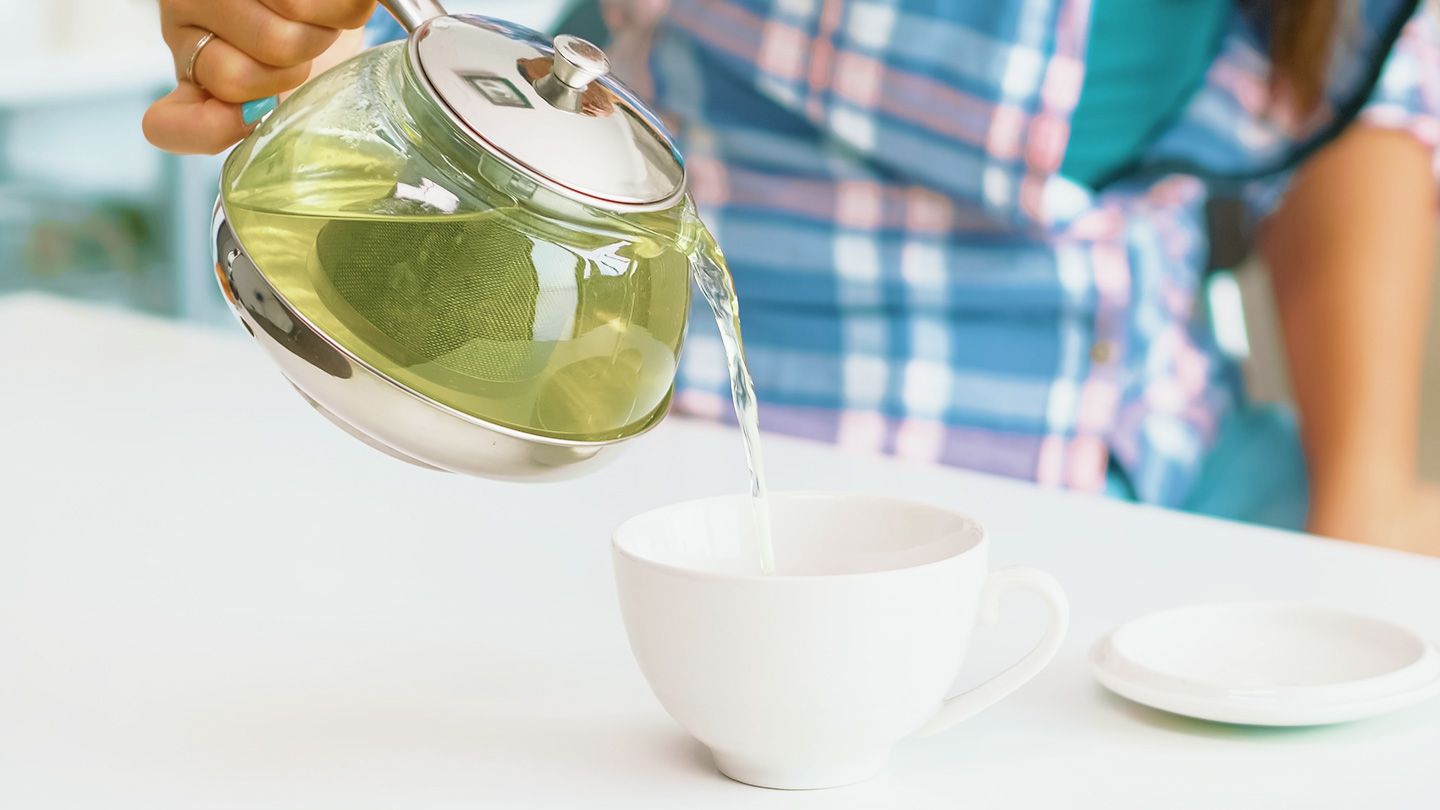
Many people swear by a cup of decaffeinated green tea for its benefits to cardiovascular health and metabolism. And as it turns out, science may back these claims.
What Is Decaf Green Tea?
Green tea is made from the leaves of the Camellia sinensis plant. To make green tea, the plant’s leaves are steamed, fried, and then dried.
Growers in China cultivated the first tea plants about 3,000 years ago, and people often used tea for medicinal purposes. Green tea contains caffeine, but decaffeinated green tea can provide some of the same benefits for those more sensitive to caffeine.
Here are some of the health properties of decaf green tea.
1. Protects Against Inflammation and Cancer
Green tea is high in polyphenols, which are naturally occurring compounds found in plants.
Plant polyphenols provide a variety of health benefits, including antioxidant effects. Antioxidants are compounds that help prevent cell damage due to inflammation and can reduce the growth of cancer cells.
Decaf green tea may contain fewer polyphenols and antioxidants, depending on the caffeine-removal process. But it can still provide health benefits.
Decaf Green Tea vs. Regular Green Tea
The polyphenol content of decaf green tea may differ from that of regular green tea, depending on its processing method.
According to a study, the hot-water process can effectively remove caffeine while retaining many of the plant compounds’ beneficial properties. Factors like extraction time, decaffeination time, and temperature influence the results of this process.
2. May Support Weight Loss
The polyphenols in green tea may assist in weight loss. Researchers think this could be due to their effects on insulin sensitivity and fat metabolism.
But a small study found that decaf green tea extract did not have a significant effect on body composition when habitual exercise and dietary intake were maintained.
Although many studies show promising results, further research is necessary to better understand the link between decaf green tea and weight loss.
Does Drinking Green Tea at Night Support Weight Loss?
Drinking water before bed and maintaining good hydration can support weight loss. Unsweetened tea may be a good alternative to plain water.
While water or tea before bed won’t magically help you shed pounds, hydration is one component of a well-rounded weight loss plan that includes a nutritious diet and regular exercise.
Decaffeinated green tea may be a better choice closer to bedtime if you’re sensitive to caffeine.
3. Prevents Heart Disease
The antioxidants in decaf green tea may reduce your risk of cardiovascular disease.
Studies suggest that green tea antioxidants can improve cholesterol, blood pressure, and blood sugar control — all risk factors for cardiovascular disease.
4. Better for People With Caffeine Sensitivity
People sensitive to caffeine can experience side effects, including:
- Nausea
- Anxiety
- Trouble sleeping
If you’re sensitive to caffeine, decaf green tea may work better for you than a fully caffeinated brew. However, decaf green tea may still contain a small amount of caffeine. If you’re highly sensitive to it, consider skipping green tea and other caffeinated beverages altogether.
5. May Protect Brain Health
Compounds in green tea, such as L-theanine and epigallocatechin gallate, are known to have neuroprotective effects that may slow cognitive decline.
A review of studies found that regular green tea consumption was associated with a lower risk of neurodegenerative diseases, such as Alzheimer’s and Parkinson’s.
More research in humans is needed, but these effects may come down to green tea’s anti-inflammatory and antioxidant properties.
Other Considerations
Here are some other factors to consider when drinking decaf green tea.
How Much Green Tea Should You Drink?
Green tea is generally safe, and intake recommendations generally relate to its caffeine content. But since decaf green tea has much lower caffeine content, it may not be as much of a concern unless you are very sensitive to caffeine.
The U.S. Food and Drug Administration recommends that adults consume no more than 400 milligrams (mg) of caffeine per day.
One 8-ounce cup of green tea contains about 29 mg of caffeine. Black tea contains about 48 mg of caffeine per cup.
Decaffeinated Green Tea Side Effects
While safe for most people, decaf green tea may have adverse side effects for some people and may interact with certain medications.
At high doses, green tea may reduce the effectiveness of beta-blockers and cholesterol-lowering drugs. Green tea supplements may also cause nausea, constipation, and (rarely) liver injury (for people with a specific gene variant).
If you have concerns about drinking green tea, talk with your doctor about safety before you start sipping.
The Takeaway
- Green tea, including decaf, has several health benefits due to anti-inflammatory and antioxidant compounds, including cancer protection, improved metabolism, and prevention of cardiovascular disease.
- Decaf green tea may be a safer option than caffeinated versions if you are more sensitive to caffeine, but it still contains caffeine and may be off the menu for those who are highly sensitive.
- Although generally safe, green tea in high intakes may interact with blood pressure medications or cause side effects like nausea and constipation.
- Discuss drinking green tea with a healthcare professional if you have concerns about adverse effects, caffeine content, or medication interactions.
Read the full article here