


Being able to engage in enjoyable hobbies is important for everyone. And having multiple sclerosis (MS) doesn’t mean you have to give up the activities that bring you joy, though it may mean doing them a little differently. Hobbies aren’t just a way to pass the time: They can be a source of identity, stress relief, creativity, and social connection, says Kathy Zackowski, PhD, OTR, MSCS, associate vice president of research at the National MS Society. “Losing access to them can feel like losing a piece of yourself, and that’s why the idea of giving them up can be so hard,” she says. MS symptoms like fatigue, weakness, vision changes, balance problems, or brain fog can make once-familiar activities feel frustrating or even unsafe. But there’s often a middle ground between pushing through at all costs and walking away entirely. It takes a certain amount of self-awareness, bravery, and even a bit of humility to recognize those changes and accept that this may be your “new normal.” “Your first impulse may be to think, ‘I’ve always done it this way, so I’ll just keep trying’ or ‘I guess I can’t do this anymore.’ Finding that middle ground where you adapt instead of quitting can be really challenging,” says Zackowski. The good news is that with the right adjustments, many people with MS can continue doing the things they love. Here are occupational therapist–approved hacks for adapting common hobbies while protecting your energy, safety, and enjoyment.
Cooking and Baking Cooking and Baking Cooking can be both a hobby and a necessity, but heat, fatigue, and cognitive symptoms can make it more difficult and potentially risky. Adapting so you can cook and bake are important for several reasons — not only so you can continue to prepare food for yourself or others, but also so you can do it safely, says Zackowski. One of the most helpful strategies is planning ahead. Prepping ingredients earlier in the day or even the day before can help manage fatigue. Organizing your kitchen so frequently used items are easy to reach can also conserve energy. Zackowski also recommends: Reducing distractions like loud music if staying focused is hard Improving lighting so you can clearly see what you’re doing Sitting on a stool or leaning against a counter instead of standing the whole time To keep the kitchen cooler, try using a slow cooker or air fryer instead of a standard oven or range. It can also help to cook during the cooler parts of the day, particularly during the summer. If chopping ingredients is difficult for you, look for prechopped fruits and vegetables or consider using a food processor instead of chopping by hand.
Reading Reading Reading can be affected by MS-related vision changes or by hand weakness or numbness, which can lead to difficulty holding a book for long periods. This is where professional support can be especially helpful. “Eye doctors and occupational therapists are trained to think about adaptations specifically for vision problems,” says Zackowski. Large-print books can be found at your local library, and e-readers and tablets allow you to adjust font size, brightness, and contrast, which can reduce eye strain. For physical challenges, simple tools can help. Zackowski recommends: Propping your book on a pillow or stand that keeps you from having to hold it Using paper clips, clothespins, or binder clips to keep pages open Using a phone stand or bendable holder to prop up a screen so you can read hands-free “The goal is to take away the physical effort so you can just focus on reading,” she says. Audiobooks are another way to enjoy reading if vision changes or physical problems make reading books or e-readers too difficult.
Spending Time With Pets Caring for Pets Both real-life experience and research shows that pets can offer companionship, a healthy routine, and emotional support — but caring for them can also be physically demanding.e60dc2a1-f33c-4a05-9b50-8e3e8e597629af3bab0f-f9a1-41d3-aa45-05a57e0cb9de Smaller dogs may be easier to manage compared with larger breeds, but it’s important to consider how they will get their daily exercise or get bathroom breaks. Cats may be easier than dogs because they don’t need daily walks, but litter box maintenance can be challenging. Zackowski notes that newer designs, including pad-based or self-cleaning litter boxes, can eliminate the need for scooping. Automatic feeders can also keep your pet fed without the daily effort. Heavy pet supplies, such as litter or food bags, may require delivery services or help from others. Adapting pet care doesn’t mean giving up the relationship, but you may have to strategize to find safe and sustainable ways to manage it.
Video Gaming Video Gaming Video games can be relaxing, social, and mentally stimulating, but changes in reaction time or coordination or increased fatigue may change how you experience gaming. One option is choosing games that allow you to slow down gameplay or adjust difficulty settings, which can still keep you challenged but less frustrated and stressed, says Zackowski. Posture while gaming is also key. “Make sure you’re seated in a really supportive environment when you’re playing computer or video games,” she says. Weakness in the trunk can lead to poor posture, which may cause back or leg pain over time. Sitting with proper support helps protect your body and allows you to play longer and more comfortably.
Outdoor Activities Outdoor Activities Outdoor hobbies like hiking or biking often require balance, strength, and endurance, but in many cases they can be adapted safely. For hiking and walking enthusiasts, Zackowski recommends using two trekking poles. “They give you more information from your hands that you might not be getting from your feet,” she says. This added contact with the ground can improve confidence and stability on uneven terrain. For cycling, adaptive options include recumbent bikes, which require less trunk control, and adult trikes, which provide extra stability. While some people feel self-conscious about these options, Zackowski emphasizes their value. “A lot of people don’t adapt because it feels embarrassing, but these tools let you keep doing something you love safely,” she says.
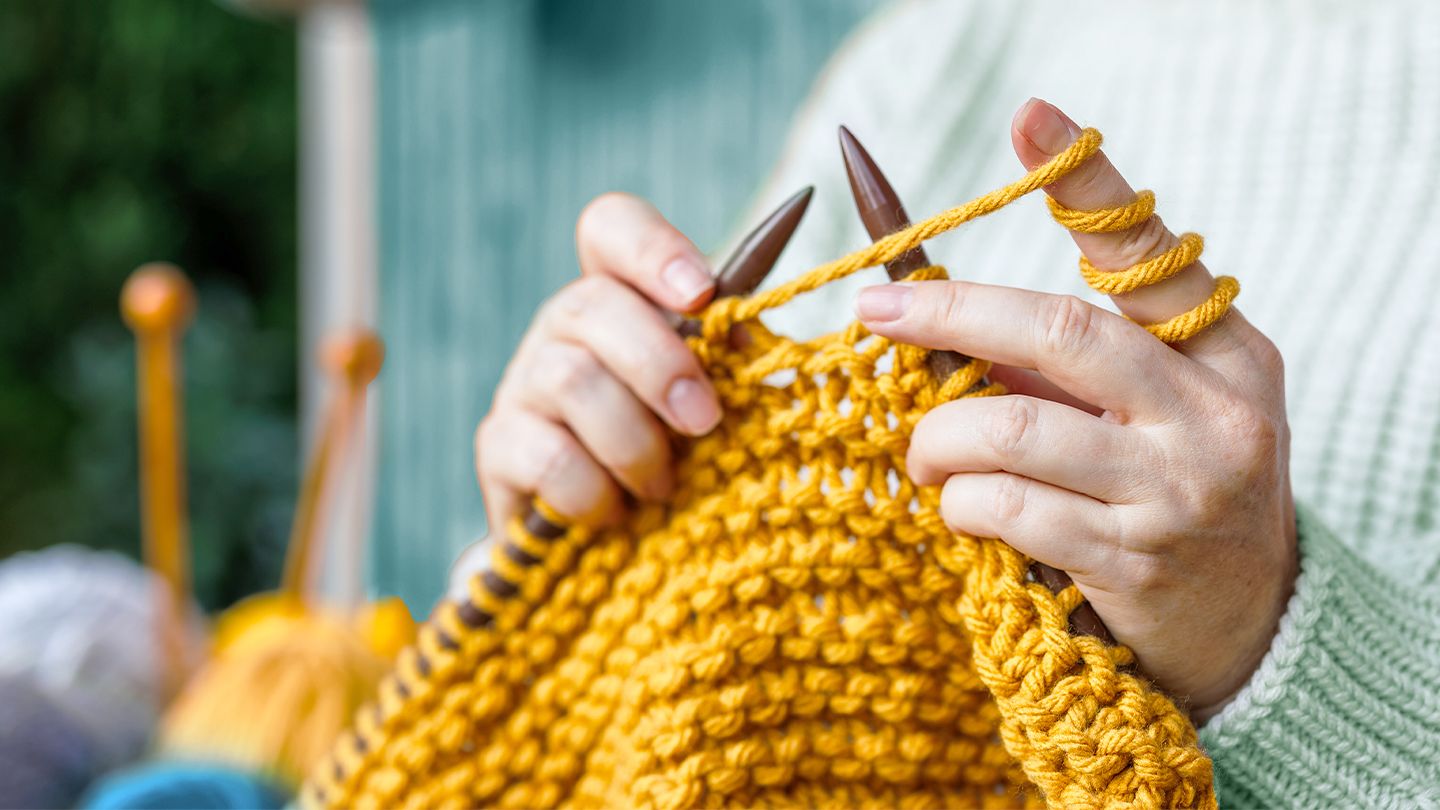
Arts, Crafts, and DIY Projects Arts and Crafts Creative hobbies like knitting, painting, or crafting provide so much joy — both to you and to the people you share your creations with — and can often be adapted with simple changes. Zackowski suggests the following tweaks to keep you at the crafting table: Using thicker yarn, brighter colors, or larger tools can make projects easier to see and handle. Handles on knitting needles or paintbrushes can be built up with foam or tape to improve grip. Hacks like counting stitches for a crocheting project allow you to track your progress even if you can’t see each stitch clearly. Sometimes you may need someone to help you with the setup at the beginning of a project — that can be a friend or someone from the local craft shop — and then you can take it from there, she says.
Socializing Socializing Being more engaged in social activities is associated with better physical and mental health in people with MS, but symptoms like fatigue or sensory overload can make that hard.e60dc2a1-f33c-4a05-9b50-8e3e8e59762957feb362-ca0c-4e27-ab8b-cafc4f622230 “I really encourage people not to hole up in their house. Whatever you can do to make socializing happen is important,” says Zackowski. Sharing your MS story — at least to your inner circle — is a personal choice, but disclosure can reduce stress. Letting friends know you may need to cancel, leave early, or rest can make outings feel more manageable. Hosting gatherings at home, planning low-key activities, or conserving energy in advance can also help. If crowds or noises are overwhelming, choosing quieter venues or shorter visits may make social time more enjoyable.e60dc2a1-f33c-4a05-9b50-8e3e8e597629d1c96b9c-48eb-42ab-9b3f-5e49ee336af3
Board Games, Card Games, and Puzzles Board Games Games can be fun and social, but physical and cognitive symptoms may require adaptations. The physical symptoms are easier because there are different tools to help, says Zackowski. For those who love card games: Card holders can eliminate the need to grip multiple cards. Larger-print cards or tactile markings can help with vision challenges. Specially designed glasses allow you to see cards while you’re lying down. Puzzles with larger pieces or fewer pieces may be easier to manage than your average 1,000-piece puzzle, she says. Cognitive symptoms that slow down your thinking can make fast-paced games frustrating, especially in groups. “That’s a tough one. The best adaptation may be finding people who are patient and willing to give you time,” says Zackowski.
Shopping Shopping Shopping often involves walking, crowds, and standing, but that doesn’t mean you have to give it up; “retail therapy” can be a meaningful social activity, says Zackowski. Using store-provided scooters, leaning on a shopping cart, or bringing a walker with a seat can conserve energy. Choosing stores with benches or taking frequent breaks ( pacing yourself ) can also help. “These tools help you use the least amount of energy while still enjoying yourself,” Zackowski says. It also helps to plan ahead, perhaps by making a list of the stores you want to visit or the items you wish to buy. It may be a good idea to shop in the morning when you have the most energy and the crowds are smaller. Deciding beforehand how long you want to stay out and arranging transportation ahead of time will help ensure you don’t overdo it.
Getting Help With Hobbies Getting Help With Hobbies You don’t have to figure out adaptations alone. Talking with family or friends can spark ideas you hadn’t considered. “The people closest to you often want to help, and they may have insights you haven’t thought of, but you need to let them know you’re open to hearing them,” says Zackowski. Trained professionals are never a bad idea, and occupational therapists are especially well-suited to help adapt hobbies. “We’re trained to break down activities and rebuild them in a different way,” she says. Recreational therapists and MS support groups can also be valuable resources. Adapting doesn’t mean giving up independence or part of your identity. Instead, it’s often what enables you to participate in your favorite parts of life.
The Takeaway Living with MS doesn’t mean giving up the hobbies you love, but it may require finding ways to adapt them to help you stay safe and manage your energy. Simple adjustments, like planning ahead, pacing yourself, or using supportive tools can make many hobbies more comfortable and enjoyable. Using adaptations can feel unfamiliar or awkward at first, but they often make it possible to keep doing what matters with less frustration and risk. Help from occupational therapists, loved ones, or support groups can make it easier to find workable, personalized ways to stay engaged.
Read the full article here


Leave a comment
