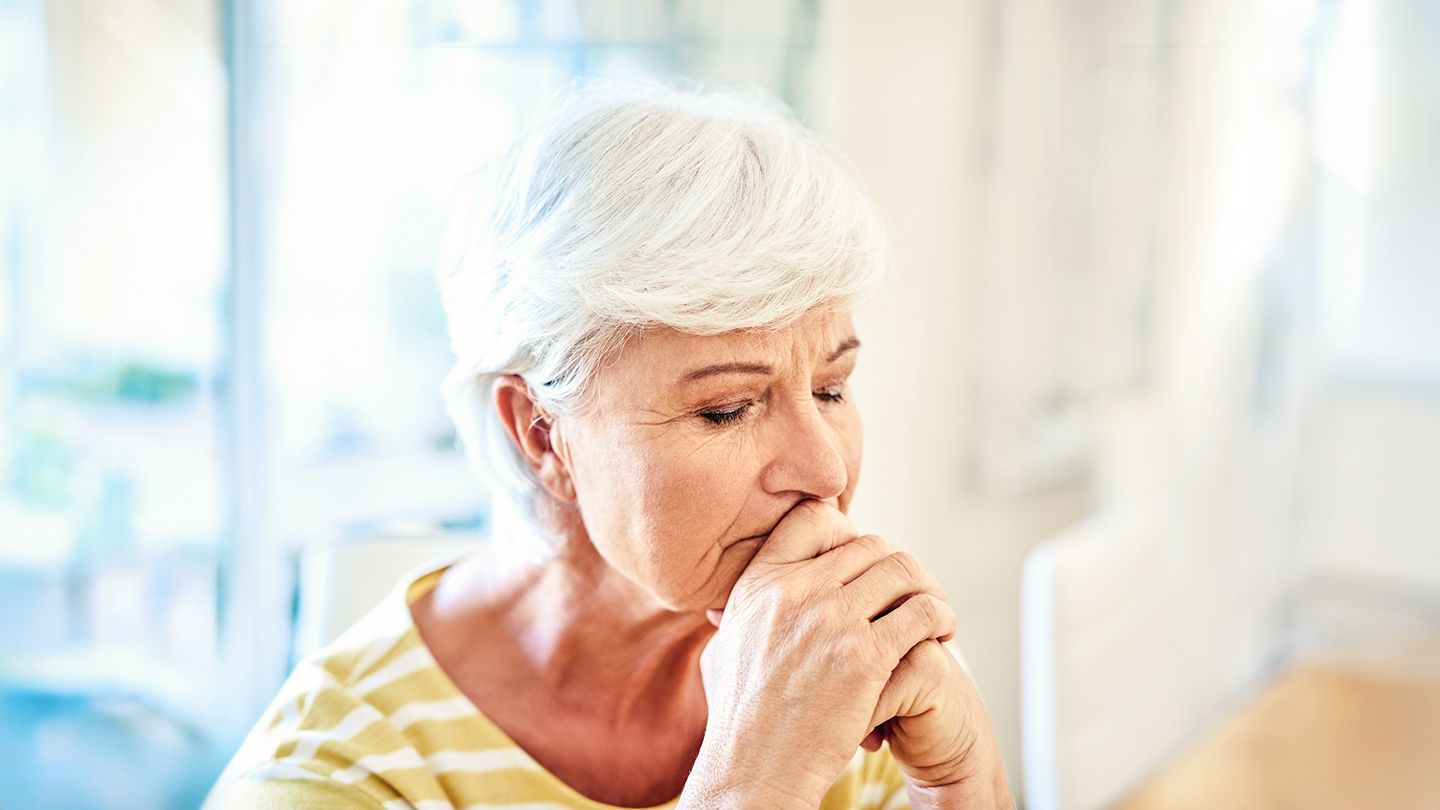
If you notice increased anxiety with Parkinson’s disease, you can try several lifestyle changes and treatment options, including psychotherapy, group support, and medical treatments. The first step: Talk to your provider.
“We know patients experience better outcomes when they are open with their doctor about all their symptoms, including those which may be uncomfortable to discuss or may feel taboo,” says Dr. Buckingham, who stresses the importance of working with one’s provider to establish an individualized treatment plan.
Anxiety treatment recommendations should address all contributors to symptoms, including disease process, medication management, and day-to-day triggers, says Etienne.
Ask About Treatment Adjustment
If you experience heightened anxiety symptoms with Parkinson’s, you can ask your provider about adjusting your treatment. This is especially true if you have off times, and Buckingham recommends asking about adjusting Parkinson’s medications to relieve anxiety symptoms in the off state.
Sometimes, providers may recommend other changes, like giving medication more often, adding additional options, or switching treatments if they cause side effects like hallucinations, poor impulse control, and agitation, says Etienne.
In advanced Parkinson’s, anxiety associated with severe motor fluctuations or unpredictable off time may prompt consideration of more continuous medication strategies, says Etienne. This could include carbidopa-levodopa infusion (Duopa) directly into the small intestine or apomorphine infusion (Onapgo) given under the skin.
Consider Anti-Anxiety Medication or Antidepressants
When anxiety gets more intense, intrudes into your life, or begins to worsen Parkinson’s symptoms, your provider may recommend treatment with medication, says Buckingham.
“When medication is needed, SSRIs or SNRIs are often preferred and are generally safe in Parkinson’s, while benzodiazepines should be used cautiously due to risks of falls, sedation, and cognitive impairment,” says Etienne.
Try Talk Therapy
Seek Out Group Support
Knowing others share your experience can better help you manage powerful emotions that may come with your diagnosis. “Strong social support, caregiver education, and participation in Parkinson’s support groups can reduce isolation and anxiety,” says Etienne. Seeking support from peers can help you stay connected and learn new coping techniques.
Minimize Triggers
Once you learn your anxiety triggers, you can avoid them. Treating depression; managing pain, constipation, or urinary symptoms; and minimizing caffeine or other stimulants can significantly reduce anxiety,” says Etienne. Some symptoms, like dizziness from sudden blood pressure changes or heart palpitations, can make anxiety worse, so treating those symptoms can prevent triggering it, Etienne adds.
Seek Help for Sleep Problems
You can optimize your sleep by following sleep habits like these:
- Keep a regular sleep schedule, even on weekends.
- Get out of bed as soon as you wake.
- Eat three to four healthy meals at the same time every day.
- Avoid napping, especially for too long or too late in the day.
- Cut off caffeine after lunch.
- Don’t drink alcohol after dinner, which can affect your deep sleep.
- Limit smoking cigarettes, which contain nicotine (a stimulant).
- Exercise regularly, but avoid vigorous activity in the two hours before bed.
If good sleep still eludes you, let your provider know. They can check for other conditions that may disrupt your sleep and help you develop a treatment plan.
Prioritize Healthy Lifestyle Habits
Exercise not only helps reduce anxiety symptoms, but it also improves sleep quality, says Buckingham. Aerobic exercise has been proven to slow Parkinson’s disease progression, Buckingham adds.
Aerobic exercise makes you breathe harder and increases your heart rate. Examples include:
- Dancing
- Boxing
- Brisk walking
- Running
- Water aerobics
- Cycling
- Playing tennis
Before you start a new type of exercise, check in with your provider. They may want you to see a physical therapist to make sure you can stay safe doing your chosen activity. Also, make sure you enjoy it — that will boost your chances of sticking with it long-term.
“Regular aerobic exercise is an essential tool to help manage anxiety in the short term and curb disease progression in the long term,” says Buckingham.
Try a Mind-Body Activity Such as Yoga or Tai Chi
When the unpredictable nature of Parkinson’s symptoms and progression causes anxiety, mindfulness, relaxation techniques, breathing exercises, and structured routines can help you cope, says Etienne.
Read the full article here