Despite its challenges, some principles of clean eating are worth incorporating in a healthy diet. If you’re ready to give this eating style a try, lean into these simple strategies, according to experts.
Focus on Whole Foods
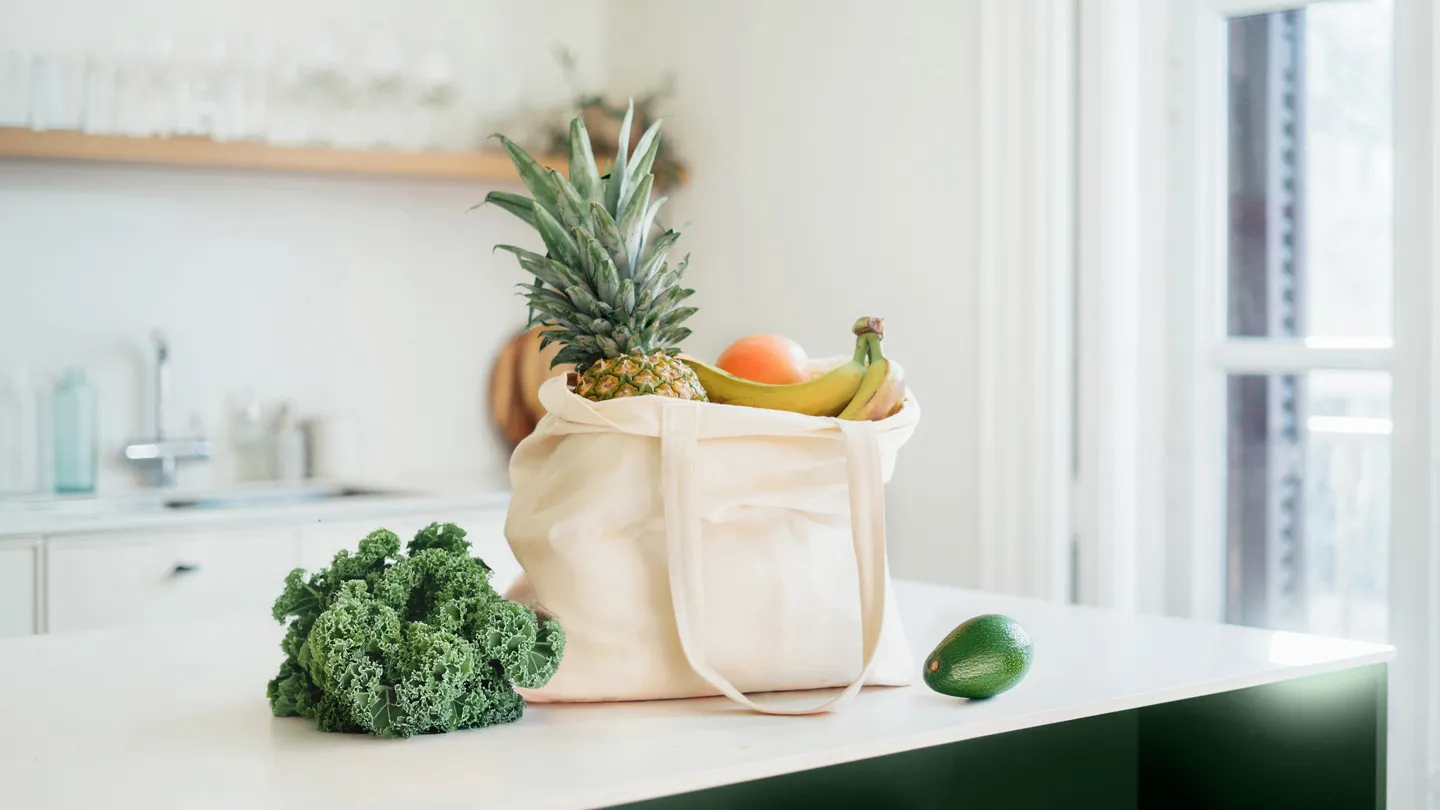
The clean-eating concept of eating more whole foods is nutritionally sound advice. “The emphasis on whole grains, fruits and vegetables, beans, nuts, seeds, eggs, lean proteins, and unsweetened dairy products in general is totally appropriate,” says Broihier.
Keeping your diet simple is the way to go. When meal planning, Broihier says to consider using a basic equation of a lean protein, a whole grain, a fruit or vegetable, and a source of fat.
Cook More at Home
It’s easier to keep track of what you’re eating when the food is prepared in your own kitchen, but that doesn’t mean you have to slave over a stove for every meal.
“You don’t have to feel like you’re going backward to a time when everything you ate had to be made from scratch at home, but in general, anytime you make food at home is [an opportunity] to pack in more nutrients,” says Broihier.
Try DIY Snacks
Cooking meals at home is a great starting point, and you can take it up a notch by making your own snacks, since those are the types of foods that often fall into the ultra-processed category.
“Make a tasty and healthy snack out of stuff you already have at home — think whole pieces of fruit or cut up veggies and a piece of cheese, a slice of homemade bread with nut butter, or even a small portion of leftovers from the night before,” Broihier suggests.
Work With a Registered Dietitian or MD
Read the full article here