


This eating plan is often considered a fad diet due to its restrictive nature and mixed results. Fad diets often promote quick weight loss that is unsustainable and may severely restrict what you eat. They may be harmful and generally do not have long-lasting health benefits. Talk to your healthcare provider before making any major changes to how you eat. Unless you’ve been living under a (ahem, Paleolithic) rock, you’ve probably heard of the paleo diet . The eating plan claims to support weight loss, reduce blood pressure, and control blood sugar, among other possible benefits.e60dc2a1-f33c-4a05-9b50-8e3e8e597629203d0451-1c10-4510-bdf5-5ff80be311bb However, minimal research exists to confirm the diet’s many claimed benefits, and current studies have small sample sizes. So, take the paleo diet’s potential merits with a grain of salt. Here, learn about the foods to eat and avoid on the paleo diet, plus how to decide if the eating plan might work for you.
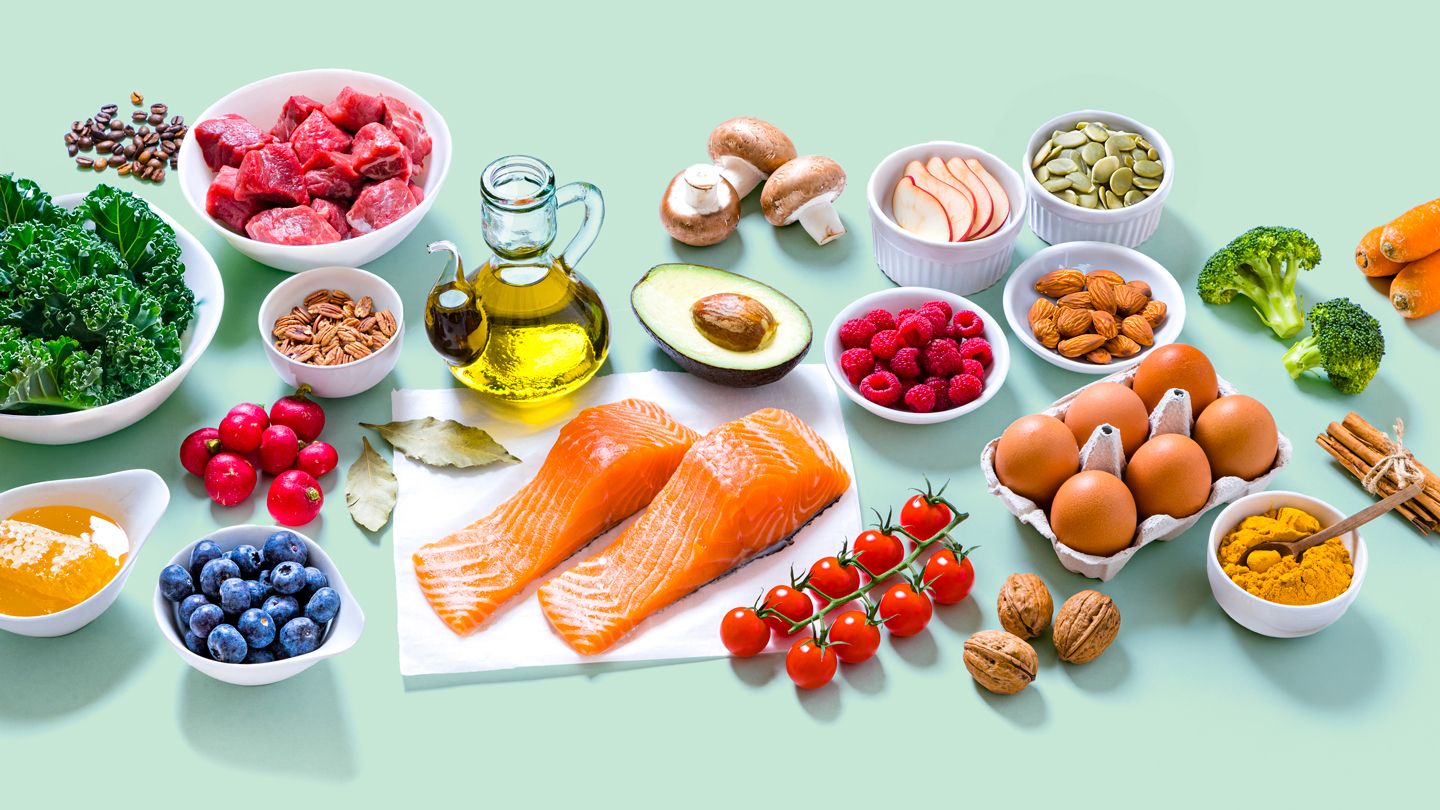
How Does the Paleo Diet Claim to Work? How It Works The paleo diet philosophy involves returning to the hunting and gathering–focused diet that our Paleolithic ancestors ate more than 12,000 years ago, before the widespread development of agricultural and industrial practices. The rise of ultra-processed, ready-made, calorically dense foods coincides with a rise of chronic conditions like obesity, hypertension, diabetes, and more. The intention of the paleo diet, then, is to eliminate foods that aren’t purely naturally available, with the idea that doing so will help lower the high incidence of those chronic conditions. “The paleo diet is all about unprocessed, natural foods: Think vegetables, fruit, meat, seafood, natural fat sources, nuts, seeds, and eggs ,” says Ginger Hultin, RDN , a nutritionist based in Seattle. Though it’s inspired by ancient eating, the modern form of the paleo diet gained widespread popularity following the 2002 release of The Paleo Diet, a hit book by Loren Cordain, PhD , a professor emeritus at Colorado State University in Fort Collins.
What Can You Eat on the Paleo Diet? Foods “People going paleo should think of this as a diet with tons of fresh vegetables as the foundation of what they’ll be eating,” says Hultin. However, there is no standardized definition of what the paleo diet includes and excludes. This is in part because researchers are still finding out what our Paleolithic ancestors ate and how applicable a paleo diet is to our modern nutritional needs. The common exclusions to the paleo diet, and the reasoning behind them, aren’t always backed up by scientific evidence. For instance, promoters of the paleo diet say wheat consumption is linked to chronic digestive and inflammatory illnesses, but there’s no firm evidence that people who don’t have celiac disease should avoid wheat and other gluten-containing foods for health reasons. Similarly, the paleo diet’s call to eliminate dairy, legumes, soy, and peanuts are not necessarily research-backed for supporting improved health.e60dc2a1-f33c-4a05-9b50-8e3e8e59762977ea7b41-f822-4b75-aed9-50bf894e4725 Other food exclusions mandated in the paleo diet do offer clear health benefits for all individuals, like the call to avoid added sugars and trans fats . Foods to Include Avocado Eggs Cauliflower Broccoli Brussels sprouts Cabbage Bok choy Spinach Arugula Kale Romaine lettuce Mushrooms Carrots Peppers Celery Asparagus Cucumber Radish Zucchini Beets Squash Onions Pumpkin seeds Olives Pickles Apples Citrus Blueberries Strawberries Raspberries Blackberries Bananas Kiwi Grapes Peaches All melon, including watermelon , cantaloupe, and honeydew Lychee Tomatoes (including sun-dried) Chicken (free-range preferred) Turkey Quail Goose Beef (grass-fed preferred) Lamb Pork Veal Wild boar Bacon (nitrate-free preferred) Bear Moose Rabbit Duck Elk Deer Reindeer Salmon Sardines Anchovies Trout Bass Walleye Haddock Flatfish Tilapia Cod Herring Grouper Catfish Mackerel Tuna Turbot Clams Lobster Shrimp Oysters Scallops Crab Mussels Almonds Cashews Macadamia nuts Hazelnuts Brazil nuts Walnuts Almond butter (free of sugar and artificial sweeteners) Olive oil Avocado oil Coconut oil Tahini Butter Ghee (made from grass-fed butter) Chia seeds Garlic Ginger Chiles Leek Fresh chives Parsley Basil Cilantro Mustard Vinegars (including apple cider vinegar) Capers Cacao powder Coconut sugar Date sugar Raw honey Maple syrup Water Herbal and matcha tea (in moderation) Coconut water Bone broth Unsweetened sparkling water (no natural or artificial sweeteners) Black coffee (in moderation) Kombucha Low-sugar hard cider (occasionally and in moderation) Gluten-free spirits (occasionally and in moderation) Foods to Avoid Pasta (including whole wheat and gluten-free) Bread Rice Oats Quinoa Beans Lentils Peanuts Dairy Refined vegetable oils Refined sugar: white and brown sugars, agave, corn, syrup, artificial sweeteners, candy Soy Corn Potatoes Processed foods, including frozen or processed dinners and packaged foods and snacks Salty foods Soda Sweetened beverages Drinks sweetened with artificial sweeteners Wine Beer
Potential Benefits of the Paleo Diet Alleged Benefits Among the benefits of eating paleo are that you’re not counting calories or carbs or eating on a restricted schedule. Advocates argue that if you eat the approved foods and stop when you’re full, you’ll likely lose weight. “Some people enjoy the freedom of the paleo diet because they do not need to count calories or other macronutrients,” Hultin says. In addition to supporting weight loss, proponents of the paleo diet contend that only eating from the approved list of foods — and then stopping when you’re full — connects to other health benefits. For instance, one review of limited research suggests doing this may also support blood sugar regulation and reduced blood pressure.e60dc2a1-f33c-4a05-9b50-8e3e8e597629d9d99a4e-25f5-43b9-9335-28cf6d36f98c The review also notes an association between how strictly one follows the paleo diet and a lower rate of inflammation, all-cause mortality, cancer mortality, and cardiovascular mortality. However, more research is needed to confidently support these benefits.
Potential Risks of the Paleo Diet Risks Nutrient Deficiencies Because of the exclusion of major food groups considered healthy by most standards — dairy, whole grains, beans, and lentils — following the paleo diet long term may lead to nutrient deficiencies . These gaps can include lower intakes of calcium, vitamin D, certain B vitamins, and fiber unless these nutrients are added back in from foods or supplements. “While the paleo diet is based on a high veggie intake with fruits included as well, its followers will be missing out on rich sources of nutrients from whole grains, soy foods, and legumes,” Hultin says. Unsustainable Weight Loss Research suggests that long-term weight loss is less likely in light of the diet’s restrictiveness.e60dc2a1-f33c-4a05-9b50-8e3e8e59762931e3ebfb-60af-42b5-8d7e-7c1800b09b07 Negative Impact on Metabolism The paleo diet calls for eliminating important sources of nutrition, and such unbalanced eating can negatively affect metabolism. Lack of Scientific Evidence Perhaps the largest critique of the paleo diet is the lack of scientific evidence to support its purported effectiveness for boosting long-term health and wellness.
Is the Paleo Diet Right for You? Precautions There’s no denying that the foods the paleo diet includes are healthy. The rub is that the diet excludes a number of food groups connected to key nutrients for long-term health. For this reason, before you try the paleo diet, it’s important you discuss it with your doctor. Together, you can decide whether it makes sense for you. If not, you might consider using the eating plan as inspiration for a less restrictive plan that may still support weight loss without such a heightened risk of other conditions. “It can be possible to find this level of flexibility (no counting involved) while still including healthy whole grains, beans, and soy foods,” says Hultin. “Whichever diet you choose to follow, it should include one aspect of the paleo diet: tons of veggies!”
The Takeaway The paleo diet takes inspiration from the way our Paleolithic ancestors ate, namely a hunting and gathering–style diet focused on unprocessed, natural foods. The idea is that this eating plan supports not only weight loss but also a decrease of various chronic conditions. The paleo diet includes most meats, fish, fruits, and nonstarchy vegetables. Key exclusions include legumes, dairy, grains, and added sugars. Research lacks to support the paleo diet’s purported benefits. On the flip side, following the diet opens you to risk, including nutritional deficiencies and a negative impact on your metabolism. Paleo-style eating can be a short-term or “inspiration” tool for some people, but a strict version may be unnecessarily restrictive for many. Any long-term eating plan should prioritize variety, nutrient adequacy, and sustainability.
Read the full article here


Leave a comment
