Note: The U.S. Food and Drug Administration (FDA) does not approve supplements for safety or effectiveness. Talk to a healthcare professional about whether a supplement is the right fit for your individual health, and about any potential drug interactions or safety concerns.
This can happen for a variety of reasons in Crohn’s. “Chronic inflammation can cause ulcers that bleed, resulting in blood loss, and it can also reduce absorption of iron,” says Neha D. Shah, RD, of the Colitis and Crohn’s Disease Center at the University of California, San Francisco, and owner of Neha Shah Nutrition, a private practice where she works with IBD clients. In addition, symptoms like abdominal pain or diarrhea, as well as a restricted diet, can make it tough to get enough iron through food, she says.
Shah recommends making sure that you get both heme and nonheme iron. “Many individuals with Crohn’s already have food restrictions in place, and it’s important to maintain variety. Including a mix of both helps meet iron needs while respecting individual dietary preferences and tolerances,” she says.
Red meat is an obvious choice for many looking to increase their iron stores, but “usually people do not need a reminder to consume it; they need permission to explore other iron-rich foods that are also microbiome health–promoting,” says Stacey Collins, RDN, who specializes in IBD nutrition in Denver.
To help keep your levels of the mineral high, here are seven foods to include in your diet — both plant- and animal-based — that are rich in iron.
1. Poultry
Chicken and turkey are typically leaner than red meat, and the lower fat content makes these sources of iron easier to digest for people with Crohn’s, says Collins. Dark meat is about twice as high in iron compared with white meat, giving you more bang for your buck when trying to maximize iron intake. One catch: Dark meat is significantly higher in fat than white, but leaving off the skin will reduce the fat content by about one-third.
2. Sardines
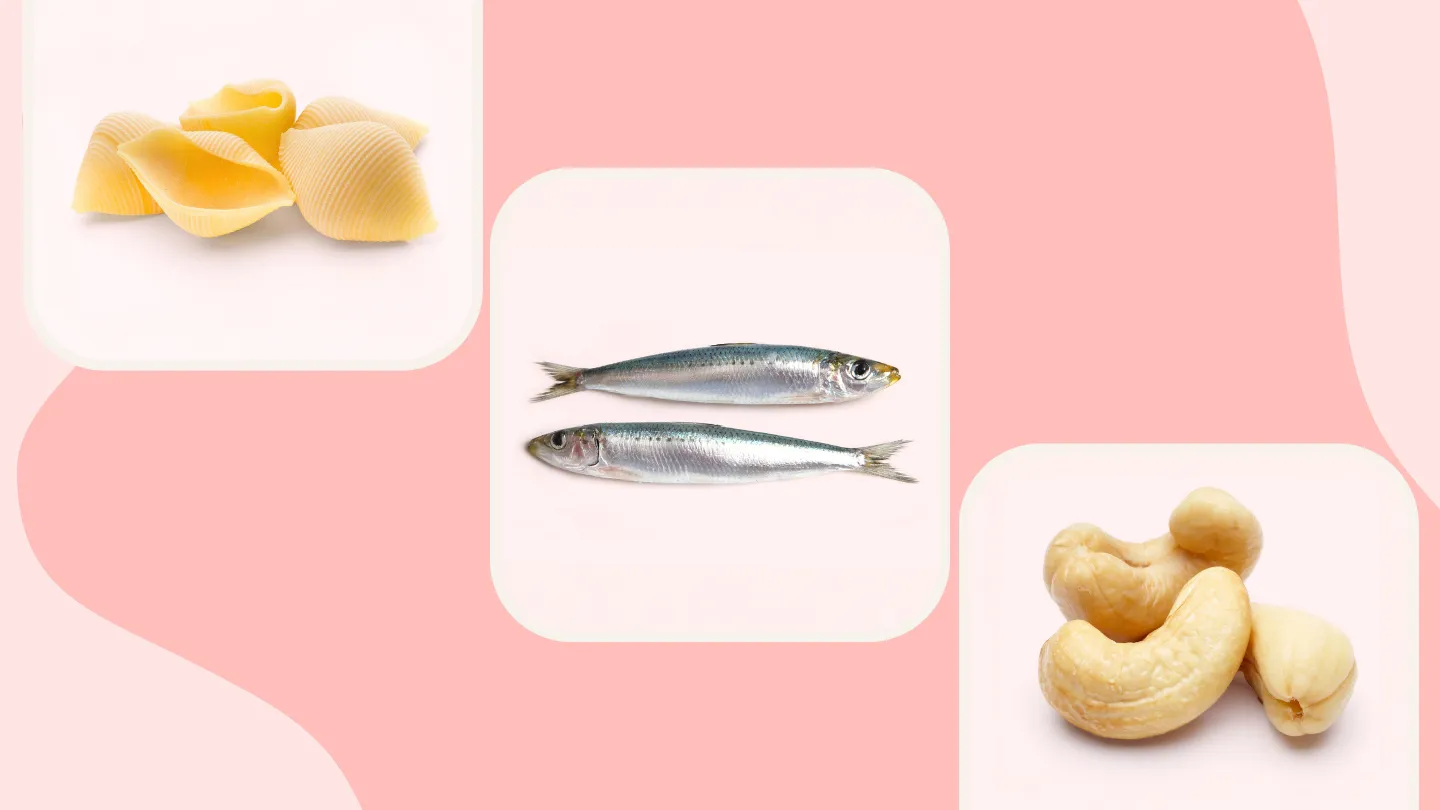
Sardines are a fatty fish that are also a good source of iron. Plus, sardines are also rich in omega-3 fatty acids, which have anti-inflammatory properties, says Collins. They are, however, high in sodium. So make sure to take that into account on days you eat them.
A great thing about sardines is that they’re easily found canned in the grocery store. This often makes them an affordable source of fish that’s easy to keep on hand at home.
3. Lentils
That can be an especially powerful nutrient combo: Iron intake lowers the risk of deficiency, while research suggests that fiber can help control inflammation and help maintain remission in Crohn’s.
4. Chickpeas
5. Pasta
6. Tuna
7. Cashews
During a flare, nuts and seeds are best when broken down into a smoother consistency, says Collins. She recommends eating nut and seed butters over whole nuts and seeds during times of active inflammation. When you’re in remission, you can go back to having whole nuts if you tolerate them.
The best sources of iron will differ, depending on whether you’re in an active flare or remission; the table below can help you choose. If you’re in an active flare, try to choose foods designated as having a “high” level of gut-friendliness, which are easier to digest. If you’re in remission, choose any foods listed, unless your doctor or a registered dietitian tells you otherwise.
As mentioned before, it’s a good idea to pair the plant-based iron sources below — such as beans, spinach, or tofu — with a source of vitamin C, like a squeeze of lemon or a fruit or vegetable that’s rich in the nutrient. This helps maximize the amount of iron your body absorbs.
For reference, the federal government’s recommended amount for iron is 18 mg daily for premenopausal women and 8 mg for all other adults.
Read the full article here