People who are already at higher risk because of factors beyond their control — they have pale skin that burns or freckles easily, say, or a family history of melanoma — should follow these protective measures with extra care.
1. Seek Out Shade
About 86 percent of melanoma cases are caused by ultraviolet (UV) exposure from the sun, and the UV rays from indoor-tanning devices are also a significant risk factor.
There are many ways to protect yourself outside. The best overall strategy generally involves combining a number of different methods.
Finding shade, especially between the peak UV hours of 10 a.m. and 4 p.m., can go a long way, but that’s not far enough.
You may still get a significant amount of UV exposure even if you’re sitting in a sheltered spot under a tree. UVB rays (considered the most harmful) can reach the skin indirectly by bouncing off UV-reflective surfaces like water, sand, and concrete.
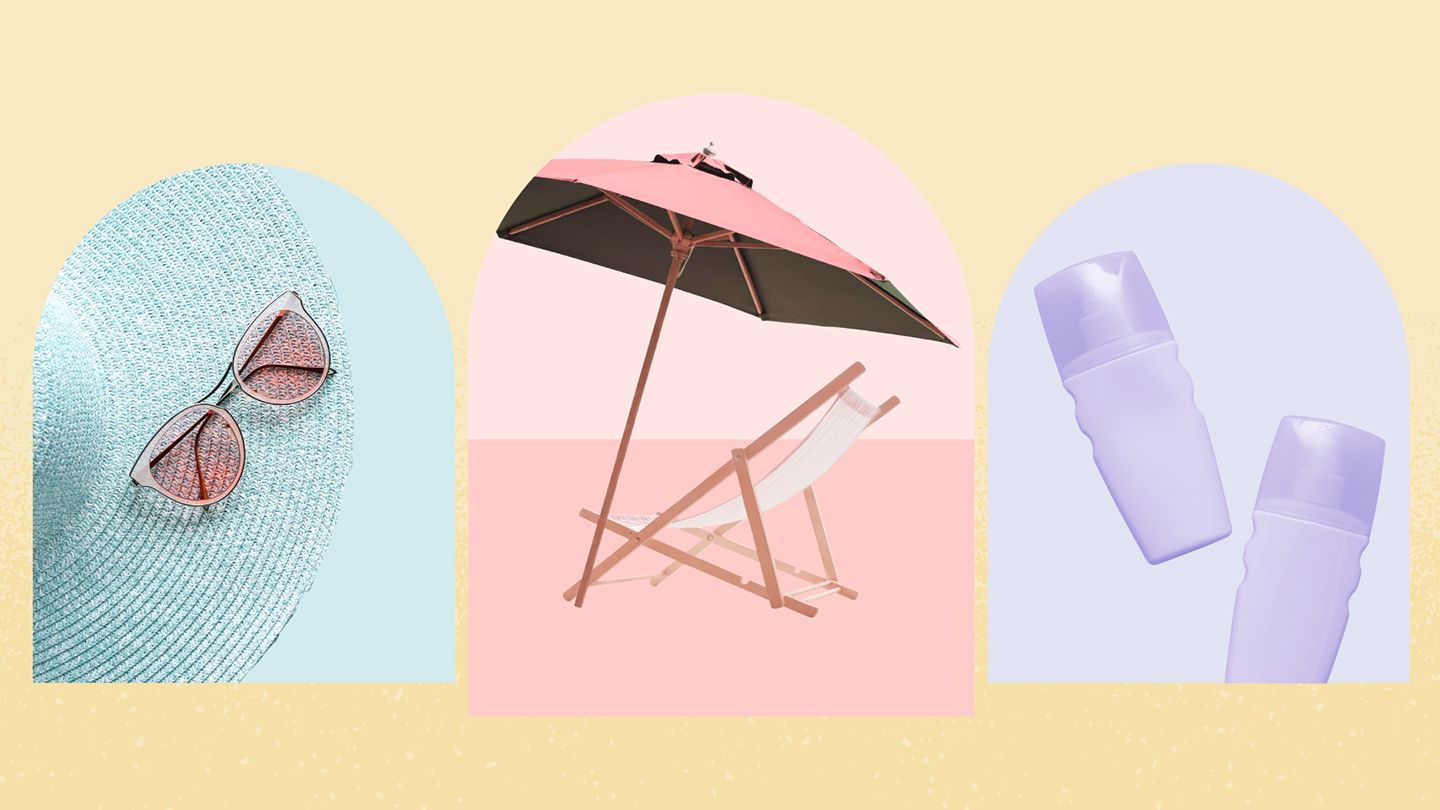
Umbrellas also block fewer UV rays than you might think. In one study that compared the effects of sitting under beach umbrellas versus using sunscreen, 78 percent of those in the shade got a sunburn compared with 25 percent of those who slathered on sunblock. Ultimately, shade is better than no shade at all. But to effectively protect yourself from harmful UV rays, you’ll need to take additional steps.
2. Cover Up
Around 10 to 25 percent of melanomas develop on the head or neck. Particular trouble spots include the face, lips, and scalp. For men, ears are a melanoma danger zone, presumably because their ears are less likely to be covered by long hair.
Melanoma of the head or neck is more likely to be aggressive and spread to other areas than is melanoma on other parts of your body.
Wearing a hat is key for protection. One with a broad rim all around that points downward will block UV rays best. The rim needs to be at least 3 inches wide to shade the nose and cheeks.
When it comes to clothing, the more covered up you are, the better.
Tightly woven, loose-fitting, and dark or bright fabrics are especially good — red or black clothes are better than pastels or white, because darker colors absorb more UV rays. Synthetic or semisynthetic materials, like polyester and rayon, are better than bleached cotton or crepe.
3. Slather on the Sunscreen — and Reapply
An adult needs to use about 1 ounce (oz) of sunscreen — enough to fill a shot glass — to cover the arms, legs, neck, and face. Reapply every two hours or more often if you’ve been swimming or sweating heavily.
Sunscreen should be applied 15 to 30 minutes before UV exposure to allow it to fully bind to the skin.
Sunscreen is considered safe for babies after the age of 6 months. Before then, keep infants out of direct sunlight, covering them with hats and protective clothing. If this isn’t available, the American Academy of Dermatology recommends parents apply minimal sunscreen, with preference for those containing titanium dioxide or zinc oxide as they’re less likely to cause irritation on babies’ skin.
4. Don’t Get Burned
In addition to taking steps like seeking shade and applying sunscreen, it’s important to pay attention to the UV index. This is a tool that predicts the intensity of UV rays on a scale of 1 to 11-plus.
Having five or more blistering sunburns between the ages of 15 and 20 increases melanoma risk by 80 percent.
5. Avoid Tanning Beds and Sun Lamps
While tanning salons promote themselves as a safe way to tan, research soundly disproves this.
If you like the look of a tan, use a safer option like self-tanning moisturizers, wipes, or sprays.
6. Do Regular Skin Self-Exams
The Takeaway
- Proper sun protection is vital to reducing the risk of melanoma. So take some steps to help protect yourself: Seek shade, wear protective clothing, and use sunscreen with at least SPF 30 for comprehensive coverage.
- Avoid using tanning beds and other artificial tanning devices, as they significantly increase the risk of developing melanoma.
- Be mindful that getting blistering sunburns, especially in childhood and adolescence, can have lasting effects and significantly raise melanoma risk later in life.
- Doing regular skin self-exams and getting annual checks by a healthcare professional can catch melanoma early, increasing the chances of successful treatment.
Read the full article here