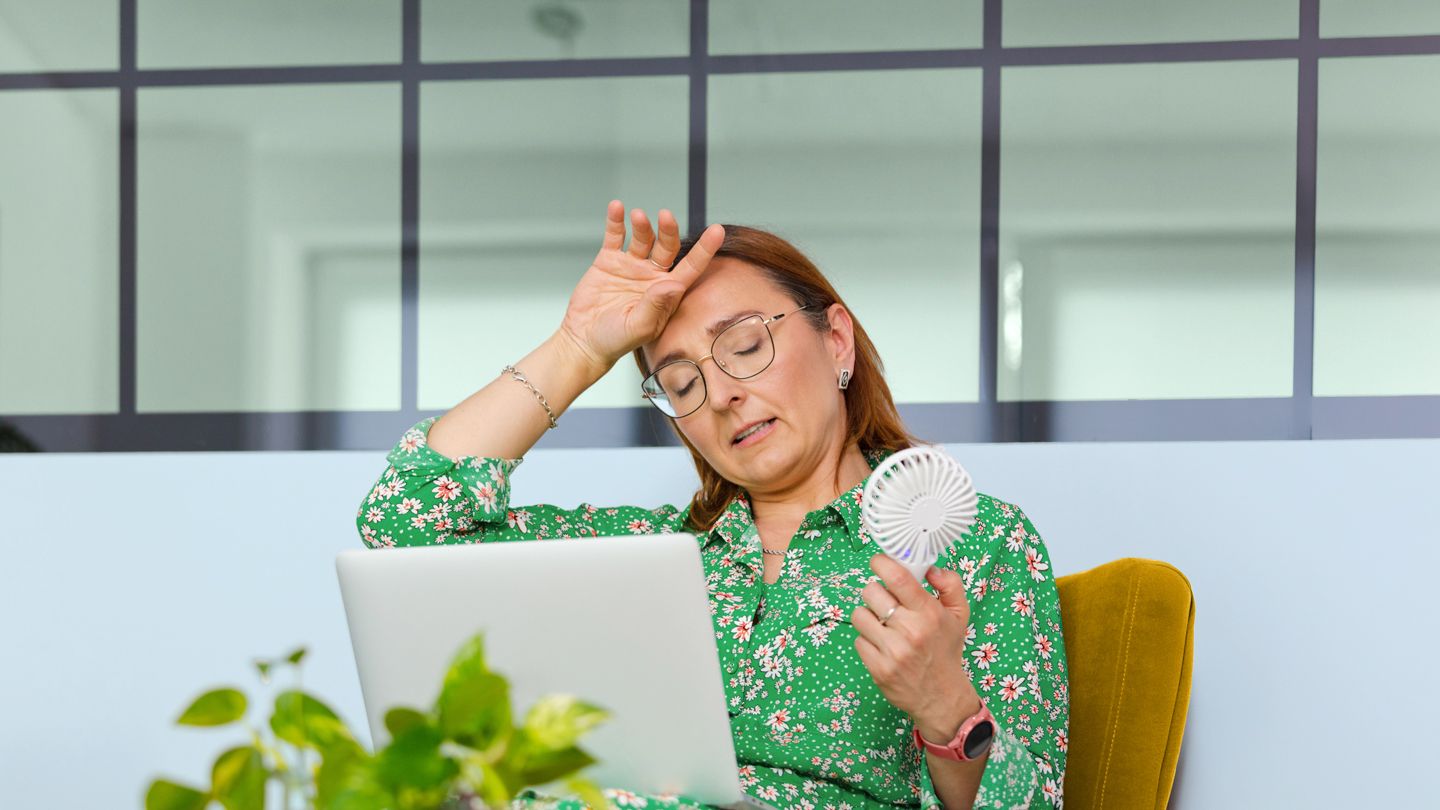
Lifestyle Changes for Vasomotor Symptoms of Menopause
It’s not possible to prevent hot flashes altogether, but they can be managed. Beyond medication, certain lifestyle strategies may lessen the effects of hot flashes, including:
- Cutting back on smoking
- Turning down the temperature in the room where you sleep at night
- Drinking small amounts of cold water
- Maintaining a moderate weight for your age and height
- Dressing in layers that can be removed in the event of a hot flash
Diet and Dietary Changes
Avoid or limit foods that are known to trigger or aggravate hot flashes, such as:
- Alcohol
- Caffeine
- Spicy foods
- Hot beverages
Some people consume foods that contain phytoestrogens (plant estrogen) to manage the hormone changes that come with menopause. Phytoestrogens naturally occur in some vegetables, cereals, herbs, and legumes, including soy. While these foods are usually considered safe for most diets, research doesn’t show them to be consistently effective for managing hot flashes. Their risks and benefits are still being studied.
Herbal supplements, like black cohosh or soy isoflavones, are also not proven to help with the effects of hot flashes. In fact, they may carry risks, like liver damage.
Talk with your doctor before making changes to your diet or adding any herbs or supplements to your wellness routine.
Complementary Therapies for Vasomotor Symptoms of Menopause
Other potential complementary treatments for hot flashes may include:
- Acupuncture
- Yoga
- Cognitive behavioral therapy
- Mindfulness-based interventions
Read the full article here