


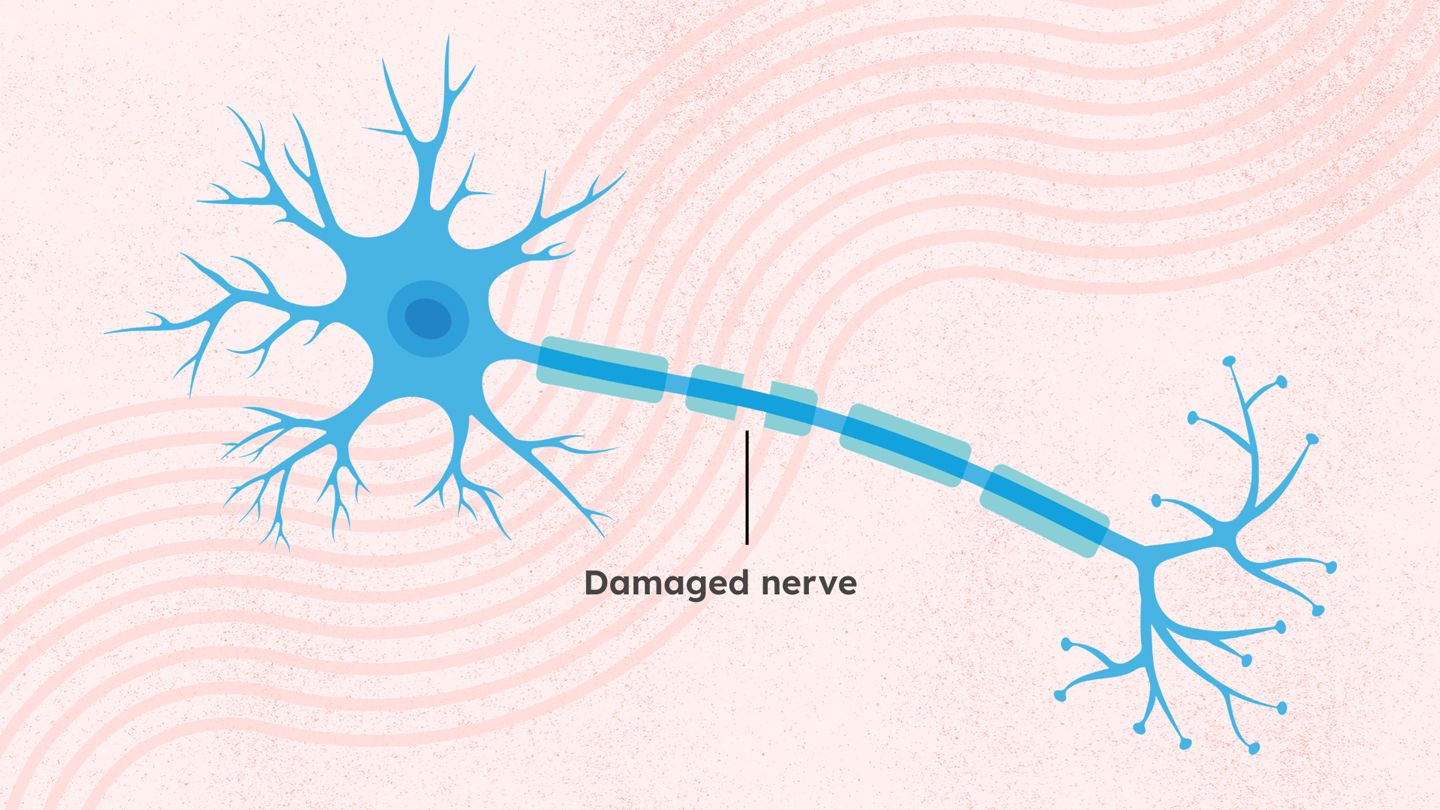
Chronic inflammatory demyelinating polyradiculoneuropathy (CIDP), an autoimmune condition , damages the protective layer (myelin sheath) around your nerves. This leaves your nerves themselves open to damage, which can cause weakness and sensations like tingling or numbness. Treatment typically involves fighting inflammation and suppressing the immune system to protect the nerves.e60dc2a1-f33c-4a05-9b50-8e3e8e5976298de0b323-4abf-456e-922f-d7c39e2c60f0e60dc2a1-f33c-4a05-9b50-8e3e8e59762940cf340b-8eef-4a2b-a0c6-d20c6b3d701f Depending on the age at which your symptoms started, your CIDP type, and how fast you received a diagnosis and started treatment, you can treat and sometimes cure this condition. Up to 90 percent of people with CIDP see improvement with treatment, and almost 40 percent reach a point where they have no more symptoms.e60dc2a1-f33c-4a05-9b50-8e3e8e59762926fa13b9-fad0-409b-a2e1-6f40dd09bdfae60dc2a1-f33c-4a05-9b50-8e3e8e5976298de0b323-4abf-456e-922f-d7c39e2c60f0
Types Types of CIDP Experts categorize CIDP into different variants (types), depending on what kinds of symptoms you experience. Types of CIDP include:e60dc2a1-f33c-4a05-9b50-8e3e8e59762926fa13b9-fad0-409b-a2e1-6f40dd09bdfae60dc2a1-f33c-4a05-9b50-8e3e8e5976298de0b323-4abf-456e-922f-d7c39e2c60f0 Typical CIDP, the most common type, causes muscle weakness and sensation changes that affect both sides of your body equally. Multifocal motor neuropathy causes asymmetric muscle weakness (affecting one side of your body more than the other). Lewis-Sumner syndrome causes asymmetric muscle weakness and sensation changes Pure sensory CIDP causes numbness, pain, and trouble with walking and balance, but does not cause muscle weakness. Pure motor CIDP causes symmetric muscle weakness but no sensation changes Distal acquired demyelinating symmetric (DADS) neuropathy causes sensation changes in the hands and feet, but rarely the arms and legs. Proximal radiculopathy causes sensation changes in the arms and legs, but not the feet or hands.
Symptoms Signs and Symptoms of CIDP CIDP symptoms progress slowly over two months or more, and can also return months or years after they resolve. Signs and symptoms of CIDP include:e60dc2a1-f33c-4a05-9b50-8e3e8e59762926fa13b9-fad0-409b-a2e1-6f40dd09bdfae60dc2a1-f33c-4a05-9b50-8e3e8e5976298de0b323-4abf-456e-922f-d7c39e2c60f0 Muscle weakness in both hips, thighs, shoulders, upper arms, hands, and feet Decreased muscle mass Paresthesia (tingling and numbness) in fingers and toes Poor balance and coordination Difficulty walking, changing positions, or lifting Less fine motor ability (like doing up buttons) Inability to lift the front of your foot (footdrop) Facial muscle weakness or paralysis Extreme sensitivity to touch (allodynia) Weaker reflexes Nerve pain Tremors Rare severe symptoms include trouble swallowing (dysphagia), weakness above the neck, and double vision.e60dc2a1-f33c-4a05-9b50-8e3e8e59762926fa13b9-fad0-409b-a2e1-6f40dd09bdfa
Causes Causes and Risk Factors of CIDP Experts don’t know the exact cause of CIDP, but they believe it happens because of an immune system overreaction: a type of autoimmune attack against healthy nerves. This attack causes inflammation around your nerves, which damages a protective layer called the myelin sheath (demyelination).e60dc2a1-f33c-4a05-9b50-8e3e8e597629f4ab22ea-7484-4f36-b1f6-d82b82f97de4 Once this layer gets damaged or destroyed, your nerves can’t function like they should, which describes the “polyneuropathy” part of CIDP and causes the symptoms above.e60dc2a1-f33c-4a05-9b50-8e3e8e59762926fa13b9-fad0-409b-a2e1-6f40dd09bdfa In some variants of CIDP, researchers have found specific antibodies like neurofascin 155 and contactin 1 that attack the nerves, but other types have no known antibodies to blame.e60dc2a1-f33c-4a05-9b50-8e3e8e59762940cf340b-8eef-4a2b-a0c6-d20c6b3d701f Risk factors for CIDP also remain a mystery, although some studies have found that people develop the condition after respiratory and gastrointestinal infections. CIDP may also share a connection with getting older and with conditions like lupus , HIV, and hepatitis B or C.e60dc2a1-f33c-4a05-9b50-8e3e8e5976298de0b323-4abf-456e-922f-d7c39e2c60f0 Getting treatment early can help prevent long-term disability. If you experience common CIDP symptoms, tell your healthcare provider so they can offer a diagnosis and get treatment started as soon as possible.e60dc2a1-f33c-4a05-9b50-8e3e8e597629686b577c-26c8-446c-a248-352f45e0113f
Diagnosis How Is CIDP Diagnosed? Diagnosing CIDP is complicated and difficult, especially because different types cause differing and confusing symptoms.e60dc2a1-f33c-4a05-9b50-8e3e8e59762926fa13b9-fad0-409b-a2e1-6f40dd09bdfa To receive a CIDP diagnosis, your healthcare provider will need to show you have had worsening or recurring weakness and sensory changes in at least two limbs for two months or longer, plus weak reflexes.e60dc2a1-f33c-4a05-9b50-8e3e8e5976298de0b323-4abf-456e-922f-d7c39e2c60f0 To rule out other conditions, your provider may order these blood tests:e60dc2a1-f33c-4a05-9b50-8e3e8e5976298de0b323-4abf-456e-922f-d7c39e2c60f0 Fasting blood glucose and hemoglobin A1C (HbA1C) to rule out diabetes Calcium levels Creatinine (kidney function) Complete blood count Liver function tests Thyroid hormone levels Serum protein electrophoresis and immunofixation to rule out blood disorders Neurofascin 155 and contactin 1 levels You may also need other types of diagnostic tests:e60dc2a1-f33c-4a05-9b50-8e3e8e59762926fa13b9-fad0-409b-a2e1-6f40dd09bdfae60dc2a1-f33c-4a05-9b50-8e3e8e59762940cf340b-8eef-4a2b-a0c6-d20c6b3d701f Electromyography (EMG) and nerve conduction tests measure demyelination by testing how well your muscles and nerves work together. Lumbar puncture (spinal tap), done by inserting a needle into your spine, retrieves a sample of cerebrospinal fluid to look for immune cells and protein levels that suggest CIDP. Magnetic resonance imaging (MRI) shows detailed images of the nerves in your lower back. If these nerves react to the dye used in the test, it can point to CIDP. Nerve biopsy involves removing a piece of nerve to check for demyelination, but this test is rarely done.
Treatment Treatment and Medication Options for CIDP The most common treatments for CIDP include corticosteroids, IVIG infusions, and blood plasma exchange. But physical and occupational therapy can also play an important role in maintaining mobility and independence.e60dc2a1-f33c-4a05-9b50-8e3e8e5976298de0b323-4abf-456e-922f-d7c39e2c60f0 Medication Options The two primary medications used to treat CIDP are corticosteroids and IVIG. Corticosteroids treat inflammation and work best for CIDP that comes on more slowly and for symptoms that don’t resolve with other treatments.e60dc2a1-f33c-4a05-9b50-8e3e8e5976298de0b323-4abf-456e-922f-d7c39e2c60f0 IVIG (intravenous immunoglobulin) treatment involves getting an IV infusion of healthy immune system proteins that can calm the assault on your nerves.e60dc2a1-f33c-4a05-9b50-8e3e8e59762926fa13b9-fad0-409b-a2e1-6f40dd09bdfa IVIG works faster and has fewer side effects than corticosteroids, so your provider may recommend this option first.e60dc2a1-f33c-4a05-9b50-8e3e8e5976298de0b323-4abf-456e-922f-d7c39e2c60f0 Other immunosuppressive medications used to treat CIDP include:e60dc2a1-f33c-4a05-9b50-8e3e8e5976298de0b323-4abf-456e-922f-d7c39e2c60f0 azathioprine (Imuran) cyclosporine (Neoral, Gengraf, Sandimmune) tacrolimus (Prograf) mycophenolate (CellCept) For treatment-resistant CIDP , experts have developed new and investigational medication options, like: efgartigimod (Vyvgart Hytrulo), which has been approved by the U.S. Food and Drug Administration (FDA) for CIDPe60dc2a1-f33c-4a05-9b50-8e3e8e59762926763663-ada0-4fa9-8037-1fb42ca73ed5 rituximab (Rituxan) and other B-cell therapiese60dc2a1-f33c-4a05-9b50-8e3e8e5976299008bc76-a826-44a8-a65b-b9d0ac079dca Investigational complement inhibitors like empasiprubarte60dc2a1-f33c-4a05-9b50-8e3e8e597629752749a2-dd73-4821-a162-b32146053b0a Plasma Exchange Plasma exchange (plasmapheresis), another common CIDP treatment, filters out harmful antibodies from the plasma in your blood using a specialized machine. This treatment usually works for a few weeks, so you may need regular treatments until symptoms resolve.e60dc2a1-f33c-4a05-9b50-8e3e8e59762926fa13b9-fad0-409b-a2e1-6f40dd09bdfa Physical and Occupational Therapy Physical and occupational therapists who specialize in neurology disorders can help you strengthen muscles, relearn coordination, and use devices like canes and walkers to stay independent, even when symptoms limit movement.e60dc2a1-f33c-4a05-9b50-8e3e8e5976298de0b323-4abf-456e-922f-d7c39e2c60f0e60dc2a1-f33c-4a05-9b50-8e3e8e597629046e7221-3e06-4a9d-934c-4bc038b8d056
Lifestyle Changes Lifestyle Changes for CIDP Some lifestyle changes can promote better nerve health, and others can help you cope with symptoms and changes in your physical abilities. Ask for Help When You Need It Before treatment starts working, you may have trouble caring for yourself. Tasks like tooth brushing, hair care, using the toilet, and cutting your nails can pose a challenge, so it’s important to ask for help from a caregiver when you need it. If you need help finding someone to lend a hand with activities of daily living, your provider can make recommendations.e60dc2a1-f33c-4a05-9b50-8e3e8e5976296bc5d6b1-8134-4eb2-9a70-6a4acbb39f0c Make Changes to Your Diet and Nutrition Intake A balanced diet can support your nervous system, so try to include proteins, complex carbohydrates, and healthy fats in your daily meals and snacks, as well as a good mix of vitamins and minerals.e60dc2a1-f33c-4a05-9b50-8e3e8e597629358e2764-aaea-45f9-ac09-771fda0857ef To help your nerves work at their best, include these foods in your diet:e60dc2a1-f33c-4a05-9b50-8e3e8e59762977d1b0bc-0271-4c52-acfd-096e189788e6 Vegetables Fruits Whole grains Legumes Omega-3 rich foods Lean protein sources For optimal nerve health, it’s also best to avoid or limit alcohol, sodium, saturated or trans fats, and added sugars.e60dc2a1-f33c-4a05-9b50-8e3e8e59762977d1b0bc-0271-4c52-acfd-096e189788e6 Get Regular Exercise, but Don’t Overdo It Exercise strengthens your muscles, gives you more energy, improves your mood, and helps you sleep better, but if you do too much too fast, you can slow down your progress.e60dc2a1-f33c-4a05-9b50-8e3e8e5976297da8425d-a2ed-4be2-bde4-68437f4a63d5 Your physical or occupational therapist can help you pace yourself so you can get the most benefit out of exercise.e60dc2a1-f33c-4a05-9b50-8e3e8e597629edd4314d-6f02-499f-9e7f-b328c38df9b5 Take Advantage of Mental Health Services A CIDP diagnosis can spark strong emotions, and medical trauma from tests and treatments can cause symptoms of post-traumatic stress disorder (PTSD). No matter what you feel about your condition, your reaction is normal and valid. If you feel anxious about your CIDP , ask your provider to connect you with a mental health practitioner who can guide you through tests and treatment.e60dc2a1-f33c-4a05-9b50-8e3e8e5976296bc5d6b1-8134-4eb2-9a70-6a4acbb39f0c
Prognosis and Outlook CIDP Prognosis About 2 out of 3 people with CIDP notice improving symptoms after treatment with IVIG, steroids, or plasma exchange, and for 4 in 10 people, symptoms go away completely.e60dc2a1-f33c-4a05-9b50-8e3e8e5976298de0b323-4abf-456e-922f-d7c39e2c60f0 If nerve damage from CIDP went on for a while before treatment started, you may have some permanent symptoms.e60dc2a1-f33c-4a05-9b50-8e3e8e59762926fa13b9-fad0-409b-a2e1-6f40dd09bdfa About 10 to 15 percent of people with CIDP have resistance to treatment, and 50 percent experience symptoms returning (relapse).e60dc2a1-f33c-4a05-9b50-8e3e8e5976298de0b323-4abf-456e-922f-d7c39e2c60f0
Complications Complications of CIDP CIDP muscle weakness sometimes extends beyond your limbs, which can cause serious health complications. For example, if you have trouble swallowing, food and liquids can fall into your breathing tube and cause pneumonia. When the muscles around your lungs lose strength, you can also have a hard time breathing.e60dc2a1-f33c-4a05-9b50-8e3e8e5976298de0b323-4abf-456e-922f-d7c39e2c60f0 Sometimes, CIDP nerve damage can also affect other areas of the body, causing:e60dc2a1-f33c-4a05-9b50-8e3e8e5976298de0b323-4abf-456e-922f-d7c39e2c60f0 Slowed food passage through your intestines Bladder function issues Heart arrhythmias Severe drop in blood pressure when you sit or stand up (orthostatic hypotension) If you ever have trouble breathing, call 911 or go to your closest emergency room.
Research and Statistics Research and Statistics: Who Has CIDP? CIDP is a rare condition, affecting only about 1 to 9 people per every 100,000. People born male get it twice as often as those born female. You can develop CIDP at any age, but some research suggests CIDP gets more common as you get older, and the average age at diagnosis in some studies is 60.e60dc2a1-f33c-4a05-9b50-8e3e8e5976298de0b323-4abf-456e-922f-d7c39e2c60f0
Support Support for People With CIDP GBS/CIDP Foundation International This global nonprofit foundation funds research, educates clinicians, and continues to build a network of volunteers, healthcare providers, and researchers to provide people with CIDP with the most accurate and up-to-date information. They also host community groups across the world to connect you with specialists and others with the same nerve condition. The Foundation for Peripheral Neuropathy This philanthropically funded public charity foundation is committed to spreading awareness, educating, advocating, and supporting research for peripheral neuropathy. Their website offers a resource library, support groups, and caregiver tips so you and your loved ones can live well with neuropathy symptoms. The Takeaway Chronic inflammatory demyelinating polyradiculoneuropathy (CIDP) is an autoimmune condition that damages the myelin sheath, a protective sleeve around nerves. Nerve damage from CIDP can cause muscle weakness and sensory symptoms like tingling or numbness in your hands and feet. CIDP treatment starts with IVIG infusion, plasma replacement, or corticosteroids to lessen inflammation and slow immune system overreaction, but emerging medications also show promise. Most people with CIDP respond well to treatment, and physical and occupational therapy can help you regain muscle strength and maintain independence.
Resources We Trust Mayo Clinic: CIDP Cleveland Clinic: CIDP (Chronic Inflammatory Demyelinating Polyneuropathy) National Organization for Rare Disorders: Chronic Inflammatory Demyelinating Polyneuropathy GBS/CIDP Foundation International: What is Chronic Inflammatory Demyelinating Polyneuropathy (CIDP)? Inflammatory Neuropathies UK: CIDP
Read the full article here


Leave a comment
