

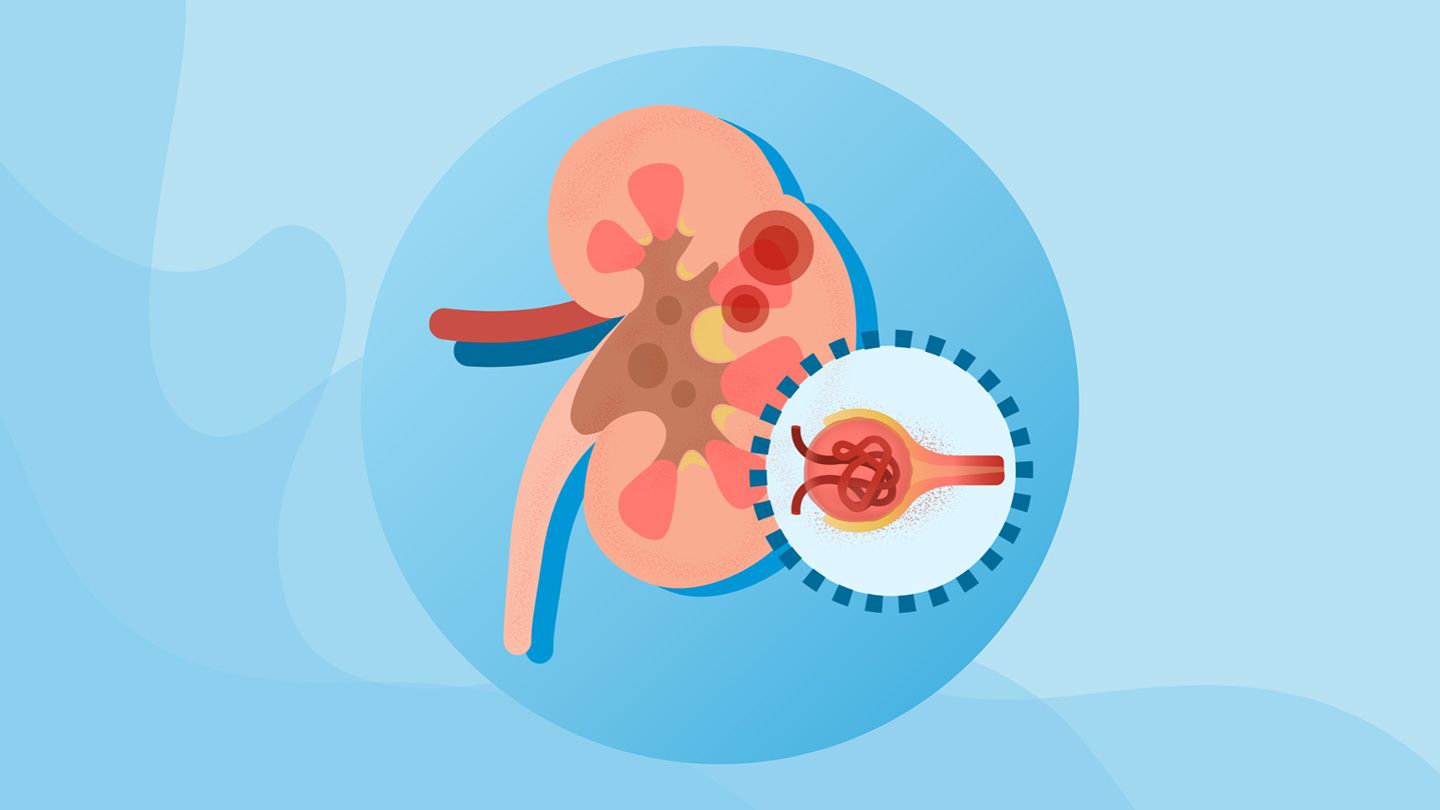
C3 glomerulopathy (C3G) and immune complex membranoproliferative glomerulonephritis (IC-MPGN) are rare and progressive kidney diseases, caused by problems in the immune system. They are two distinct conditions, although there is significant overlap in symptoms and treatment. In both C3G and IC-MPGN, part of the immune system known as the complement system becomes overactive. This in turn leads to inflammation and damage to the glomeruli in the kidneys, which are tiny networks of blood vessels that play an essential role in filtering blood and forming urine.e60dc2a1-f33c-4a05-9b50-8e3e8e5976292380af8a-99b5-4b49-bb28-20b163af136e C3G and IC-MPGN can be challenging to diagnose because symptoms are nonspecific. They are lifelong, chronic diseases, and individuals with either condition face a high risk of progression to kidney failure. Studies have found that up to half of patients will develop kidney failure within 10 years of diagnosis.e60dc2a1-f33c-4a05-9b50-8e3e8e59762955d0907f-ed1c-4028-8641-a19b619160c8 While there is currently no definitive cure, new treatments that target the complement system have become available, with others in clinical trials. These have the potential to slow disease progression by targeting the underlying mechanisms.e60dc2a1-f33c-4a05-9b50-8e3e8e597629b1e3ea09-8a8a-4059-90c1-ad418e7717db
Signs and Symptoms of C3G and IC-MPGN Symptoms Symptoms vary widely among individuals, and can be mild or severe. Kidney-related symptoms reflect the extent of damage in the glomeruli. In the early stages, there may be no obvious symptoms or signs of any problem, but as the disease progresses, symptoms may appear or intensify.e60dc2a1-f33c-4a05-9b50-8e3e8e5976296e345d13-69ed-455c-a00c-e441425ea390 Even though their underlying mechanisms differ, both C3G and IC-MPGN disrupt the kidney’s ability to effectively filter waste, toxins, and excess fluid from the blood, resulting in similar signs and symptoms. These include:e60dc2a1-f33c-4a05-9b50-8e3e8e597629c7579bdb-7f1a-423d-abf4-6efdee2aafc1e60dc2a1-f33c-4a05-9b50-8e3e8e5976298bcd7cc7-a9cc-4688-8f81-77a1e1890d0e Hematuria (Blood in the Urine) Your urine may look pink, red, or brown. Sometimes hematuria is not visible to the eye and can only be detected when the urine is analyzed. Proteinuria (Excess Protein in the Urine) Urine may look foamy or cloudy. Oliguria (Less Urine Production) As the disease progresses, you may find that you need to use the bathroom less often because your kidneys are producing less urine. Edema (Swelling) Kidney disease can cause fluid to build up in your body. You may notice swelling, especially in your legs, ankles, and hands, or around your eyes. Hypertension (High Blood Pressure) Fluid buildup can increase the force of blood pushing against your artery walls. Fatigue or Lack of Alertness When kidneys can no longer remove waste from the blood efficiently, it accumulates in the blood. These waste products can affect the brain, making you feel tired or less alert. Nausea and Vomiting Electrolytes may become imbalanced, and the blood more acidic (acidosis), if the kidneys are unable to flush out waste products efficiently. Muscle Spasms at Night This symptom is also the result of electrolyte imbalance and acidosis. Symptoms associated with C3G only include: Acquired Partial Lipodystrophy This is an abnormal distribution of fat under your skin that can happen when disruption of the complement system destroys fat cells. Drusen These small yellow deposits in your retina may develop from a buildup of complement proteins and fats.
Causes and Risk Factors of C3G and IC-MPGN Causes Both IC-MPGN and C3G are caused by dysfunction in the complement system, resulting in a buildup of deposits in the kidney’s filtering system. C3G causes the breakdown of normal complement proteins including C3. The protein fragments accumulate in the kidney which leads to inflammation and damage to the glomeruli. In IC-MPGN, the dysfunction in the complement system causes deposits in the kidneys of both C3 and other proteins and antibodies.e60dc2a1-f33c-4a05-9b50-8e3e8e597629454afa0d-2766-4a38-b776-c4767d007591 It’s unclear what causes the complement system to malfunction. In C3G, it’s believed that the complement system is triggered for two main reasons.e60dc2a1-f33c-4a05-9b50-8e3e8e59762962084e33-1655-429a-aa1a-2276bf7d9af4 Genetic changes that occur in proteins that help regulate the system. About a quarter of patients have genetic mutations or variants in these complement-related genes. The development of antibodies that target and attack your own body’s healthy cells and tissue (autoantibodies) In IC-MPGN, complement system dysfunction is often associated with other diseases. These include:e60dc2a1-f33c-4a05-9b50-8e3e8e5976298ece3ac2-1091-42a4-ad44-3d88351b9fdf Autoimmune diseases such as lupus and rheumatoid arthritis Chronic infections such as hepatitis B or C and HIV Cancers including leukemias, lymphomas, and carcinomas Sickle cell disease
How Are C3G and IC-MPGN Diagnosed? Diagnosis Initial symptoms of C3G and IC-MPGN are nonspecific and may often be overlooked. Making a diagnosis involves blood and urine tests, and importantly, a kidney biopsy. Initial testing may include:e60dc2a1-f33c-4a05-9b50-8e3e8e5976297e833435-303b-4556-a461-ae22c02783f5e60dc2a1-f33c-4a05-9b50-8e3e8e597629ebf6d7c7-b2a6-4519-b751-abdf0ecaa86f Urinalysis to check your urine for any signs of health issues and to measure protein and blood levels Blood tests to show how efficiently your kidneys are getting rid of waste products in your blood, including your estimated glomerular filtration rate (eGFR) and serum creatinine level Kidney biopsy is the only way to definitively confirm a diagnosis of C3G or IC-MPGN. The biopsied tissue is examined using a technique called immunofluorescence microscopy, which can differentiate C3G from IC-MPGN and other similar disorders. After your diagnosis is confirmed, your doctor may order additional tests that can guide treatment. These include:e60dc2a1-f33c-4a05-9b50-8e3e8e5976294b23211a-705a-407a-be23-e1629f13789ce60dc2a1-f33c-4a05-9b50-8e3e8e5976296399954f-ff8a-4db5-b3b6-c6f45b49665e Advanced complement system testing to measure the activity of complement proteins and look for abnormalities Blood tests to find out whether you have an autoimmune disease or infections Genetic testing to see if you have an inherited form of IC-MPGN
Treatment and Medication Options for C3G and IC-MPGN Treatment There is no standard treatment for C3G and IC-MPGN, as symptoms and severity can vary tremendously from person to person. Instead, a treatment plan is tailored to an individual’s situation, taking into account factors such as age, overall health, severity of symptoms, genetics, and cause of the illness.e60dc2a1-f33c-4a05-9b50-8e3e8e5976295f932763-6b12-4908-96a1-b9035be5a2a9 The goal of treatment is to reduce inflammation and slow down kidney damage to prevent kidney failure. It often includes a combination of medications and lifestyle measures. If C3G or IC-MPGN progresses to the point of kidney failure, you would need dialysis or a kidney transplant.e60dc2a1-f33c-4a05-9b50-8e3e8e5976297e5fe8b6-9749-4959-9ec5-f38f28c42d14 Medication Options Angiotensin-Converting Enzyme Inhibitors (ACE Inhibitors) and Angiotensin Receptor Blockers (ARBs ) ACE inhibitors and ARBs are widely used to control blood pressure and lower the amount of protein in your urine to slow down kidney damage. Examples include:e60dc2a1-f33c-4a05-9b50-8e3e8e597629c894f70c-c4a7-48b7-a782-3c2bef401ee3 lisinopril (Zestril) enalapril (Vasotec) losartan (Cozaar) valsartan (Diovan) Sodium-Glucose Cotransporter-2 (SGLT2) Inhibitors SGLT2 inhibitors are medications that are primarily used to treat type 2 diabetes. But they help protect your kidneys by blocking sugar from being reabsorbed there. SGLT2 inhibitors slow the progression of kidney disease and lower the risk of eventually needing to go on dialysis. Some drugs in this class are:e60dc2a1-f33c-4a05-9b50-8e3e8e5976296debb104-d8a1-4c86-b272-e8306535c013 bexagliflozin (Brenzavvy) canagliflozin (Invokana) dapagliflozin (Farxiga) empagliflozin (Jardiance) ertugliflozin (Steglatro) Immunosuppressive Therapy These medications are used to “calm” or suppress the immune system when it becomes overactive and mistakenly harms the body. Your doctor may recommend:e60dc2a1-f33c-4a05-9b50-8e3e8e597629194259db-5b6c-41a1-b73d-66adf5f7fd60 prednisone mycophenolate mofetil (CellCept) cyclophosphamide rituximab (Rituxan) Complement Inhibitors This newest class of drug treatment for C3G and IC-MPGN directly addresses the underlying mechanism of the diseases. Complement inhibitors lower the activity of the complement system and reduce damage to the glomeruli, which stabilizes kidney function. Several medications may be used:e60dc2a1-f33c-4a05-9b50-8e3e8e597629d35133b2-bb30-4858-925b-a497e1235f8c iptacopan (Fabhalta) is an oral medication approved in March 2025 to treat C3G. pegcetacoplan (Empaveli) is an injectable drug approved in July 2025 for both C3G and IC-MPGN. eculizumab (Soliris) is an injectable monoclonal antibody that has been used off-label to treat C3G and IC-MPGN. Researchers are testing many other complement inhibitors in clinical trials. Other Treatments Plasma exchange (plasmapheresis) is a blood filtering process that can remove harmful antibodies and other substances from the blood. It’s generally only used for those with rapidly progressing disease or who are resistant to immunosuppressive therapies.e60dc2a1-f33c-4a05-9b50-8e3e8e597629cfbdff38-9f2d-40e3-bba7-15a882cfd727 Dialysis is a treatment that removes excess fluid and waste products from your blood when your kidneys can no longer do so. Your doctor may recommend dialysis when symptoms and signs of kidney failure begin to appear. Dialysis is often the “bridge” to a transplant.e60dc2a1-f33c-4a05-9b50-8e3e8e597629194259db-5b6c-41a1-b73d-66adf5f7fd60 Kidney transplant may be needed if your disease progresses to kidney failure. Immunosuppressive medications are required to prevent your body from rejecting the organ. Other medications will still be needed to control the dysfunctional complement system, since the risk of recurrence in the transplanted kidney is high.e60dc2a1-f33c-4a05-9b50-8e3e8e597629194259db-5b6c-41a1-b73d-66adf5f7fd60
Lifestyle Changes for C3G and IC-MPGN Lifestyle Changes In addition to medications, lifestyle changes can help you stay as healthy as possible. They can help you control associated problems, such as high blood pressure, and reduce the risk of complications that can further damage your kidneys. Make Changes to Your Diet While there is no single standard meal plan for everyone with kidney disease, there are general recommendations that can help reduce inflammation and protect your kidneys.e60dc2a1-f33c-4a05-9b50-8e3e8e597629d740598d-72bf-409d-b56c-6b91590cbb71e60dc2a1-f33c-4a05-9b50-8e3e8e59762916a7e81d-9267-46a8-bf40-30e5de5692d9 Lower your intake of salt (sodium). Keeping salt intake low helps balance fluids, control your blood pressure and reduce proteinuria. Limit protein intake. A low-protein diet is usually recommended to help preserve kidney function. It helps reduce the kidney’s workload and lowers the amount of waste buildup in the blood. But protein requirements will differ depending on the severity of your symptoms. Maintain a healthy weight . Talk to your doctor about what is an ideal weight for you and aim to reach it. Choose heart-healthy foods . You can lower your risk of developing heart and vascular (blood vessel) disease by replacing saturated fats and trans fats, eating fresh fruits and vegetables, and choosing whole grains and lean, unprocessed proteins. Minimize alcohol intake . Drinking alcohol can be harmful to kidneys and may lead to high blood pressure and dehydration. It can also have a negative impact on existing kidney disease.e60dc2a1-f33c-4a05-9b50-8e3e8e597629593f3e38-6c30-4542-95fb-a2d272cf3216 Get Regular Exercise Everyone can benefit from regular exercise, including individuals living with chronic kidney conditions. Physical activity is important at all stages of kidney disease, even if you are currently on dialysis or have undergone a transplant. It can benefit your body in many ways, including strengthening your heart, building muscle and strength, and boosting energy. Exercise can even help you feel less stressed or anxious. In addition, regular exercise may improve your blood sugar levels if you have diabetes, and some studies suggest that it may improve your kidney function.e60dc2a1-f33c-4a05-9b50-8e3e8e597629fe81bdd4-5763-4c4d-9959-5d8dc8cadaece60dc2a1-f33c-4a05-9b50-8e3e8e5976297445ea8d-c604-48b4-9340-9fc30ab7c0e9 Here are some tips to get started. Speak with your doctor and healthcare team before you begin any exercise program. You’re more likely to stick with it if you find activities that you enjoy. Your healthcare team may recommend changes to your diet, especially if you have diabetes, once you begin to exercise. To stay safe and prevent injury, make sure you have the correct gear, do warm-ups, and start off slow. Get Regular Checkups You’ll need follow-up testing for the rest of your life to watch for signs that the disease is progressing. Your doctor will check your blood pressure and do blood and urine tests to check your kidney function.e60dc2a1-f33c-4a05-9b50-8e3e8e597629588cad38-2016-4468-8167-1f5548bb689d
C3G and IC-MPGN Prognosis Prognosis Both C3G and IC-MPGN are lifelong conditions. While treatment can slow down progression, or even halt it, there is currently no cure. The goal of treatment is to reduce kidney damage and delay or even prevent the onset of kidney failure. As many as half of all patients will reach end-stage renal disease or kidney failure within 10 years after receiving their diagnosis, and will need to go on dialysis and possibly receive a transplant.e60dc2a1-f33c-4a05-9b50-8e3e8e597629094ff812-e1a1-4066-8129-64b485105120 But it’s difficult for doctors to predict who will progress to kidney failure, and some people live for years without complications.e60dc2a1-f33c-4a05-9b50-8e3e8e5976296c18cdc1-f92c-48d5-ab0a-e441b531aaaee60dc2a1-f33c-4a05-9b50-8e3e8e597629e151a342-79ae-4710-b286-33138ff6d659 Your individual prognosis depends on many factors, including the presence or absence of genetic mutations, the presence of autoantibodies, the degree of kidney damage at diagnosis, and how well the disease responds to treatment.e60dc2a1-f33c-4a05-9b50-8e3e8e597629627cf474-0b0f-4109-9868-f7639973f51c Better outcomes can be expected if the disease is caught early, if your blood pressure is well-controlled, and you get treatment for underlying triggers. It’s also important to stick with your treatment plan.
Complications of C3G and IC-MPGN Complications The major complication of these disorders is kidney failure. When that happens, the kidneys are no longer able to function effectively and you’ll need dialysis and possibly a kidney transplant. Other complications include:e60dc2a1-f33c-4a05-9b50-8e3e8e597629637599e9-a788-4fc8-9713-c1c3d7d861fde60dc2a1-f33c-4a05-9b50-8e3e8e597629653da94c-9d0d-4120-a868-ade5ffac85aae60dc2a1-f33c-4a05-9b50-8e3e8e597629a3a1827a-652b-4c22-8595-24273bd1e556 High blood pressure, which increases the risk for heart disease High cholesterol Medication side effects, including an increased risk of serious infections A high risk of disease recurrence after transplant
Support for People With C3G and IC-MPGN Support NephCure NephCure is a kidney organization focused on rare, protein-spilling kidney diseases. The website contains information about rare kidney disease, diagnosis, disease management, and advocacy and they offer virtual support groups, regional events, and an online community for patients and caregivers.
The Takeaway C3G and IC-MPGN are rare, chronic, and progressive kidney diseases that are caused by an overactive complement system (part of the immune system). Diagnosis is through a kidney biopsy, with special testing on the tissue sample to differentiate between the two diseases. Both diseases have a high risk of progression to serious kidney damage and kidney failure. Emerging therapies that target the complement system show promise and could change the course of the disease.
Resources We Trust Cleveland Clinic: Complement 3 Glomerulopathy (C3G)Mayo Clinic: What to Know About C3G Treatments, From Lifestyle Adjustments to Medications and DialysisEuropean Rare Kidney Disease Reference Network: C3 Glomerulonephritis & IC-MPGNNational Kidney Foundation: Immune Complex Membranoproliferative Glomerulonephritis (IC-MPGN)National Institute of Diabetes and Digestive and Kidney Diseases: Healthy Eating for Adults With Chronic Kidney Disease
Read the full article here
What Are C3 Glomerulopathy (C3G) and Immune Complex Membranoproliferative Glomerulonephritis (IC-MPGN)?



Leave a comment
