Everyday Health spoke with Dr. Larkin about the rise of Menopause Inc. — the good, the harmless (but ultimately useless), and the scammy.
Everyday Health: What do you make of the fact that menopause is having a moment? Why now?
Dr. Lisa Larkin: So I’m an old doctor now, right? I’ve been practicing for [over] 32 years. And I have to tell you, hormone therapy has defined my professional career.
When I started practicing, the data was all pro-hormones. I was giving all my patients hormones, because we believed hormones benefited women — even women at high risk of cardiovascular disease. We believed more women benefited from hormones than were harmed.
Then, in 2002, the Women’s Health Initiative study comes out, which said that hormone replacement therapy had more risks than benefits for women. And it goes from everyone prescribing hormones to nobody prescribing hormones.
I just cringe every day. You’ve got very influential celebrities touting products that have no data.
EH: What are some red flags to look out for when evaluating menopause products on the market?
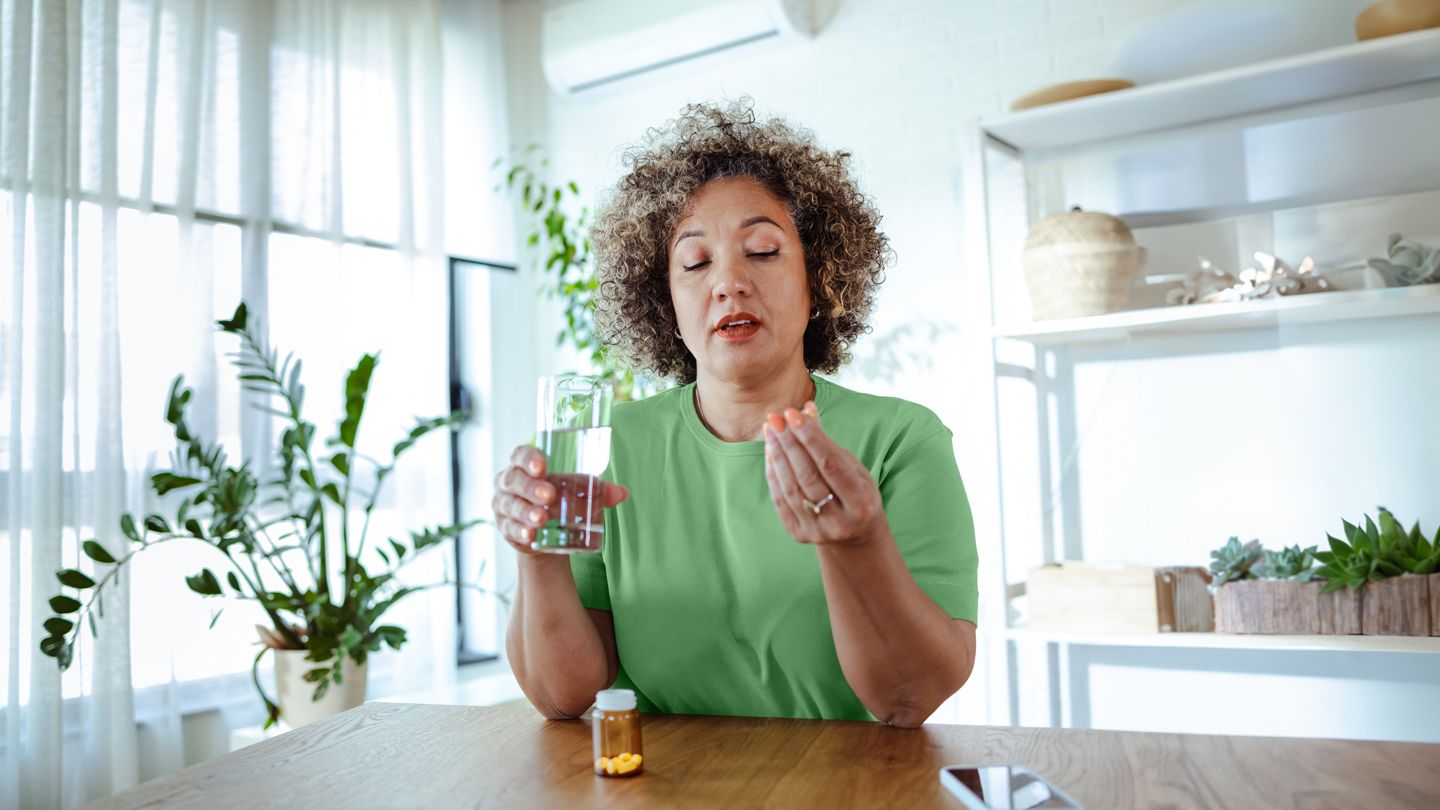
LL: I want to start with supplements, because that’s really what you need to be most skeptical about. When you’re looking at the ingredients, if you see a phrase like “proprietary blend,” that means you don’t really know what’s in there. That’s a huge red flag for me.
Supplements are generally safe for healthy people. They’re probably not doing anything harmful — you’re just making expensive urine. For a 35-year-old who is healthy and on no medications, taking supplements is probably not harmful, even these ones with a proprietary blend.
But where I get concerned is for patients who are on medications. When you have a breast cancer survivor who’s on five different medications, we have no idea what those drugs are doing in combination with these supplements. If you’re a patient who has health issues and is on other drugs, I really encourage you not to buy supplements online and to have a physician involved in your care.
EH: What about beauty products? Any potential harm there?
LL: I have less of an issue with somebody putting stuff on their face, in terms of the safety. I tell my patients to focus on what has the data. You don’t need all this expensive stuff. But if you like the smell, if you like the way it feels — fine.
I have less concern about the topical products — even topical estrogen. I would still tell you I would not recommend those for a breast cancer survivor, especially one who is on other medications. But the dosing is so low that it probably is not harmful.
EH: How about sexual health products aimed at menopausal women?
LL: There is data that vaginal moisturizers and vaginal lubricants absolutely can be very helpful for menopausal women. I tell women that moisturizers for the vagina can be treated the same as the moisturizers you put on your face. You put on your face cream every night; if you’re a menopausal woman, you can do the same for vaginal moisturizers. They can be very helpful, particularly those containing hyaluronic acid. And then lubricants — either water-based or silicone-based — for sexual activity can also be helpful.
Where the data starts to fall apart — and where we, again, get into this “meno profiteering” space — is in all of these vaginal rejuvenation devices, like the vaginal laser or vaginal steaming. These treatments are also largely not harmful. But I do believe people are profiting off these things without good data to back them up.
EH: What about over-the-counter tests? Useful or scammy?
LL: Here’s the story: You don’t need those tests, okay?
There are some out there right now where you can check your hormones over several days to try to get some information about where you are in the perimenopause-to-menopause transition. And this generation of 38- to 42-year-olds — they love their data. Everyone has wearable devices or continuous glucose monitors, or they’re tracking their sleep. People want data, which is why these over-the-counter tests sell.
But the truth is, hormone levels in early and late perimenopause change day to day — they’re going to be all over the place. So you don’t need the test. I also don’t think it’s harmful — it’s not hurting anybody. But do you need it? I don’t think so.
EH: What are some green flags — things to look for that may signal a product is worth trying?
Larkin: See if there is any data or publications related to the product, though that’s very hard for most people to do on their own. But you can also look for single-ingredient products — again, not products with “proprietary blend” in the ingredients list. And if you have other health conditions or are on medications, I encourage you to talk to a doctor before you try something.
EH: It’s such a confusing time of life for so many women. What else should they keep in mind as they try to navigate it?
LL: Don’t suffer in silence. Really try to find a physician who can address your needs, because there really is evidence-based help available. Women fall through the healthcare cracks between 40 and 60, because they’re generally healthy, and they don’t have many points of contact with physicians. But that’s when things like cardiovascular risk or prediabetes can develop. It’s so important for women to get good medical care in midlife, and I would really encourage women to advocate for themselves.
Read the full article here