


Complications Complications of Multiple Sclerosis Beyond the general side effects of MS, some additional complications can occur with the condition, including: Urinary Tract Infections Bladder concerns are very common with MS, affecting at least 80 percent of people with the condition. Some people have trouble holding their urine (incontinence), while others can’t fully empty their bladder (retention).e60dc2a1-f33c-4a05-9b50-8e3e8e597629ee62c012-76cf-481d-a370-75d9174b3064 Not emptying the bladder fully can increase the risk of developing urinary tract infections (UTIs) . These can worsen MS symptoms and cause pain when urinating. A person with a UTI also may need to urinate more often or release only small amounts of urine at a time.e60dc2a1-f33c-4a05-9b50-8e3e8e597629aed4fb87-7b1a-4c52-b594-94c33c8c7988 Without quick treatment, a urinary tract infection can lead to a kidney infection , which is a medical emergency.e60dc2a1-f33c-4a05-9b50-8e3e8e597629aed4fb87-7b1a-4c52-b594-94c33c8c7988 Pneumonia Sometimes, people with MS have trouble swallowing, known as dysphagia . When the timing of a swallow is off, or the muscles involved in swallowing are weak, foods and liquids may enter the airway instead of the esophagus, where they belong.e60dc2a1-f33c-4a05-9b50-8e3e8e5976298e304b1f-ebc6-4034-a2b8-e907cd1d392f If the person cannot cough forcefully enough to expel them, food and liquid can end up in the lungs. This can lead to aspiration pneumonia , a serious condition that can require hospitalization.e60dc2a1-f33c-4a05-9b50-8e3e8e5976296ee5b7a3-4261-4b6c-8b5d-f27ccae0c3a1 Symptoms of aspiration pneumonia may include chest pain, fever, shortness of breath, and coughing up foul-smelling phlegm. You should seek medical help if you experience these symptoms.e60dc2a1-f33c-4a05-9b50-8e3e8e597629e0f32c90-2971-40dd-a1f6-bd61ae8e481c Physical Trauma From Falling Many MS symptoms — including trouble with balance, muscle weakness, fatigue, dizziness, blurred vision, and numbness — raise the risk of falling. Falls can lead to serious injuries, such as broken bones or head trauma. They can also causes a fear of falling, which can make someone less active.e60dc2a1-f33c-4a05-9b50-8e3e8e597629460ec15c-7de3-48c5-a5f8-7227a4f3c452 While not all falls can be prevented, many can, through a range of strategies to build leg strength, improve balance, fall-proof your home, and address potential causes of dizziness. Pressure Sores People with MS who spend most of their time sitting or lying down need to be aware of — and take steps to prevent — pressure sores. Also known as bedsores or pressure ulcers, pressure sores are areas of damaged skin caused by extended pressure to one area.e60dc2a1-f33c-4a05-9b50-8e3e8e5976292b62c583-f712-4404-995a-f03fc1ccd1f6 They tend to develop in areas where the bones are close to the skin, such as the heels, tailbone, shoulder blades, and elbows. A combination of moving more often, using special cushions or mattresses, and checking your skin every day can help prevent pressure sores or catch them early.e60dc2a1-f33c-4a05-9b50-8e3e8e5976292b62c583-f712-4404-995a-f03fc1ccd1f6 Depression Depression is common among people who have MS, and not just because it’s stressful to have an unpredictable progressive disease. Depression in MS may be a direct result of the immune system’s attack on the protective myelin sheaths that envelop nerve fibers, causing behavioral changes, including depression.e60dc2a1-f33c-4a05-9b50-8e3e8e5976298c461b62-c0c2-4b51-806d-f3475d1141cc Additionally, some medicines used to treat MS, such as interferon beta, can also cause depression.e60dc2a1-f33c-4a05-9b50-8e3e8e5976299735ac21-0c10-47a2-8a0d-651e21e9af64 Sometimes, depression develops as a result of the stresses and challenges associated with having MS. The good news: No matter the underlying cause, depression in people with MS can be treated with psychotherapy, medication, or a combination of the two. Conditions Related to Multiple Sclerosis Some medical conditions occur at a greater frequency in people with MS, although in many cases, the link between diseases is unclear. These conditions include: Headache and migraine Fibromyalgia A condition that causes widespread pain and weakness Epilepsy Seizures can occur with both epilepsy and MS, occurring in about 2 to 5 percent of MS patientse60dc2a1-f33c-4a05-9b50-8e3e8e5976291ff88ded-7a78-4285-8150-20fdb114bef9
Causes Causes and Risk Factors of Multiple Sclerosis The cause of MS is unknown — no one knows what sets off the disease process that leads to MS lesions in the first place. But it is thought that some combination of genetic susceptibility and environmental causes is necessary to trigger the disease. Epstein-Barr Virus Some research points to the Epstein-Barr virus as a likely environmental trigger. A recent study of more than 10 million young adults on active duty in the U.S. military found that the risk of MS increased 32-fold after infection with the Epstein-Barr virus, but was unchanged after infection with other viruses.e60dc2a1-f33c-4a05-9b50-8e3e8e597629853fe2b1-6b1b-47d9-a01e-10e8e9c0a133 Infectious Mononucleosis Earlier research found that having infectious mononucleosis (“mono”), which is most commonly caused by the Epstein-Barr virus, doubled the risk of MS when the infection occurred during childhood and tripled it when the infection occurred during adolescence.e60dc2a1-f33c-4a05-9b50-8e3e8e5976296840b015-ccb6-453d-b8eb-ecc689193f4b Low Vitamin D Some other research points to low vitamin D levels as a contributing cause of MS.e60dc2a1-f33c-4a05-9b50-8e3e8e59762956d298b9-c583-488c-a6dc-c98404800735 Cigarette smoking This is also known to raise the risk of developing MS.e60dc2a1-f33c-4a05-9b50-8e3e8e5976293bca8103-a4f0-43ce-b9d6-c7eb353277e7 Childhood obesity This also appears to raise the risk.e60dc2a1-f33c-4a05-9b50-8e3e8e59762937743a09-b670-4d47-816c-3be6cd4823c4 Approximately 20 percent of people with MS have a family member who has it. But even having an identical twin with MS increases the risk by only 20 to 25 percent.e60dc2a1-f33c-4a05-9b50-8e3e8e5976292a83a04d-7b5f-406c-8a51-5e07082b10bae60dc2a1-f33c-4a05-9b50-8e3e8e597629db394fe3-0952-4a30-a008-410c04f05cf1So even though having a family history of MS raises the risk somewhat, MS is not considered a genetic or hereditary disease.
Prevention Lifestyle Changes and Prevention of Multiple Sclerosis As of yet, there’s no surefire way to prevent multiple sclerosis, in large part because the cause of the disease is not yet fully understood. But some healthy habits can reduce an individual’s risk of MS. Get Enough Vitamin D Getting adequate vitamin D — from sunlight, food, and supplements — is one way to potentially lower your risk of MS. Research has shown that growing up in a sunny area and having a high amount of sun exposure in summertime is linked with a lower risk of developing MS in childhood.e60dc2a1-f33c-4a05-9b50-8e3e8e59762988e17852-0eb4-4773-85a1-39e8a707212b Older research has found that people diagnosed with clinically isolated syndrome (CIS) who went on to develop MS had lower vitamin D levels than those who didn’t develop MS.e60dc2a1-f33c-4a05-9b50-8e3e8e597629bd049adc-896d-4642-a75d-a32eae4daf6d Increasing vitamin D levels does not guarantee MS prevention, but there’s no harm in doing so, as long as you stay within the safe limits of both sun exposure and vitamin D supplementation . Quit Smoking Not smoking is another strategy that may lower MS risk. Smokers and people exposed to secondhand smoke are known to have an increased risk of MS. Quitting smoking may therefore lower your risk and that of people around you.e60dc2a1-f33c-4a05-9b50-8e3e8e5976293acba3d1-bbab-47bd-aad6-325b78b4565d Maintain a Healthy Weight Staying at a healthy weight, in both adulthood and childhood , may lower a person’s MS risk. Studies show that childhood obesity is linked with an increased risk of pediatric MS. It’s also linked with a higher risk of developing MS as an adult.e60dc2a1-f33c-4a05-9b50-8e3e8e5976299d2cc7c8-2650-4a33-a5fa-54a7cbaf5fc0
Diagnosis How Is Multiple Sclerosis Diagnosed? MS is generally diagnosed based on a person’s history of symptoms, along with the results of a variety of medical tests, which may include:e60dc2a1-f33c-4a05-9b50-8e3e8e597629e86e43fe-e49f-49ce-bea5-cbfaa65e2273 A neurological evaluation of physical movement and coordination, vision, balance, and mental functioning Blood tests to rule out other conditions Magnetic resonance imaging (MRI) scans to detect brain lesions typical of MS Lumbar puncture (spinal tap) to obtain cerebrospinal fluid, which may contain substances more likely to be found in people with MS Diagnosing MS can be challenging for doctors. No single test can confirm it, and its symptoms often mimic those of other health conditions. Also, MS severity, plus the nature of symptom flare-ups, can make it difficult to diagnose properly.e60dc2a1-f33c-4a05-9b50-8e3e8e59762955eafc6c-f7f1-4edb-9923-e454f6f7cb0c Still, diagnosing MS early is critical so that treatment can begin early. Newly revised sets of guidelines, known as the McDonald diagnostic criteria, can help spell out what’s needed to accurately diagnose MS.e60dc2a1-f33c-4a05-9b50-8e3e8e5976293ae700ba-ae60-4fe8-adbe-9157523ccb52
Duration How Long Does Multiple Sclerosis Last? MS is incurable, meaning it lasts a lifetime. It’s rarely fatal, although studies have shown that it shortens a person’s life expectancy by about six or seven years.e60dc2a1-f33c-4a05-9b50-8e3e8e597629a64f6096-d685-4305-a7ca-1167a3f5b6bc MS relapses tend to last for hours or days, and they can last for days or weeks. They tend to occur at least 30 days after your most recent relapse and last for at least 24 hours. Shorter periods of symptom worsening, called pseudoexacerbations, can be triggered by heat, stress, and fatigue, among other things. Once the underlying cause of a pseudoexacerbation is reduced or eliminated, the MS symptoms should subside, too.e60dc2a1-f33c-4a05-9b50-8e3e8e59762902909fea-ffb1-4956-928f-4cc8940b5773 Prognosis of MS Although MS can sometimes be a debilitating disease, it’s rarely fatal, and the majority of people who have it don’t become severely disabled. Many people with MS maintain their mobility, largely with the help of disease-modifying drugs, plus the use of assistive devices, such as canes or crutches; some also use scooters or motorized wheelchairs to cover long distances. People with MS who have the best prognosis are usually those who:e60dc2a1-f33c-4a05-9b50-8e3e8e5976299079930f-4ead-42f8-97b4-79d63b4114c1 Are female Were younger than 40 when diagnosed Have infrequent attacks Make a complete recovery from relapses Have long intervals between relapses Have symptoms that are mostly sensory in nature A 2020 study that examined causes of death among people with MS found that when MS was listed on a death certificate as an underlying cause of death, the most common contributing causes were:e60dc2a1-f33c-4a05-9b50-8e3e8e597629cd399246-dc50-4671-90d5-3eebf85d22be Aspiration pneumonia Respiratory infection Respiratory disease Urinary tract infection Other infections, including sepsis Skin disease, typically pressure ulcers Of course, people with MS also die from the same systemic illnesses that kill people in the general population, such as heart disease and cancer, underscoring the importance of maintaining the type of healthy lifestyle habits that can lower the risk of these diseases.
Types of Multiple Sclerosis Scientists have long described different types of MS, the most common being relapsing-remitting MS, primary-progressive MS, and secondary-progressive MS. But in recent years, there’s a growing consensus that these are not distinct types of MS — rather, they are points along a continuum. While the underlying changes in the brain are the same, observable symptoms are different depending on disease severity.e60dc2a1-f33c-4a05-9b50-8e3e8e597629d2eeb7fd-e7f1-40c1-a37d-00087c4d6691 In all types of MS, the loss of neurons (nerve cells) and axons (the nerve fiber, or part of the nerve cell that conducts electrical impulses away from the cell) leads to progressive neurological decline, experienced as worsening symptoms by the person with MS.e60dc2a1-f33c-4a05-9b50-8e3e8e5976291a75e353-af58-4248-bd75-e08238767721 Nonetheless, most people with MS are still diagnosed with a particular type of the disease based on their progression of symptoms. Relapsing-Remitting MS (RRMS) Relapsing-remitting MS is characterized by periods of active inflammation in the central nervous system, during which symptoms worsen (and new symptoms may develop), alternating with periods when symptoms are less acute.e60dc2a1-f33c-4a05-9b50-8e3e8e597629b33daccf-b9c4-400d-a218-222de8f69f5d Times when symptoms worsen are relapses — also known as flares or exacerbations. As a relapse ends, the severity of symptoms diminishes, but a person can be left with new, permanent symptoms. The quiet period between relapses is called remission, which can last for months or years before another relapse occurs. RRMS is the most common type of MS, affecting about 85 percent of people diagnosed with the condition. Most people with RRMS eventually develop secondary-progressive MS.e60dc2a1-f33c-4a05-9b50-8e3e8e597629cf209169-e1d8-4c8e-808b-1594d99978d6 Secondary-Progressive MS (SPMS) Secondary-progressive MS is generally considered a second phase of RRMS, in which there is symptom progression and increased disability. People with SPMS may continue to have relapses, although they may be less frequent than in RRMS.e60dc2a1-f33c-4a05-9b50-8e3e8e597629a0df01a7-2b54-44f6-96cf-7837802408cd About 50 to 65 percent of people diagnosed with RRMS will eventually transition to SPMS, but everyone’s experience with it — whether or not they have relapses and how much progression, or disease worsening, occurs — will be unique.e60dc2a1-f33c-4a05-9b50-8e3e8e5976296531bdb9-9357-4486-9e77-9c8cd8236ba0 Relapsing MS (RMS) The term “relapsing MS” typically encompasses clinically isolated syndrome (CIS), which is a first episode of neurological symptoms caused by inflammation or damage to the myelin in the central nervous system; relapsing-remitting MS; and “active” secondary-progressive MS, in which relapses occur along with steady symptom progression.e60dc2a1-f33c-4a05-9b50-8e3e8e597629f707b488-a3ea-4cb9-b36a-d73d79d02923 A number of disease-modifying therapies have been approved to treat any of these conditions. But before prescribing such a drug to a person with CIS, a doctor would evaluate whether that person is at high or low risk of developing MS, or possibly already has MS but earlier symptoms went unrecognized or undiagnosed.e60dc2a1-f33c-4a05-9b50-8e3e8e59762928f47cf8-d36e-490a-ae38-802bfef57aa0 Primary-Progressive MS (PPMS) In PPMS , there is no initial relapse that signals the beginning of the disease. Instead, MS symptoms appear over time. Those who have PPMS generally do not experience acute exacerbations or have distinct remissions, but they may have temporary plateaus during which symptoms lessen somewhat. About 15 percent of people with MS are diagnosed with PPMS .e60dc2a1-f33c-4a05-9b50-8e3e8e59762972e1fb50-8d8b-414a-96b3-5df390061ab8 Progressive-Relapsing MS (PRMS) The term “progressive-relapsing MS” was once used to describe cases of MS in which a person experienced steadily worsening neurological function from the beginning, with occasional relapses.e60dc2a1-f33c-4a05-9b50-8e3e8e5976297b9e6a67-cfde-4517-b47c-792022938f03 Today, people whose MS takes that course are said to have “active PPMS.” In addition to relapses, they may also have MRI scans showing new lesions.e60dc2a1-f33c-4a05-9b50-8e3e8e5976296efdf49c-d499-470f-881a-b7075b6026a0 Benign MS A small percentage of people with MS have a benign form of the disease, in which symptoms progress very little over the course of a person’s lifetime, after the initial attack. There’s some controversy over how (or whether) to classify people with benign MS, since the progress of the disease can vary over a person’s lifetime.e60dc2a1-f33c-4a05-9b50-8e3e8e5976290a915daa-b1ba-40c2-b937-5783a8bc0885 Malignant MS A small number of people with MS have malignant MS, which is marked by the rapid formation of lesions in the brain and spine, causing severe symptoms, disability, and possibly death.e60dc2a1-f33c-4a05-9b50-8e3e8e597629f00e05c2-a144-4f85-ab79-05dbaf4e8867
The Takeaway Multiple sclerosis, MS, is a progressive condition that affects the nerve fibers of the brain, spinal cord, and optic nerve. Deterioration of the myelin sheath (the protective covering of nerve fibers) and nerves themselves leads to scar tissue called lesions, which can cause a variety of neurological and systemic side effects. The cause of MS is largely unknown; however, factors like genetics, underlying viruses and infections, smoking, and childhood obesity may play roles in its development. Treatment for MS will depend on the type and severity of your symptoms. Most types of MS can be treated with disease-modifying drugs, steroids, and a combination of therapies and lifestyle changes to reduce pain and improve mobility.
Black Americans Disparities and Inequities in Multiple Sclerosis It’s unknown exactly how common MS is among minority groups, such as Black Americans and Hispanics. That’s partly because researchers have only just begun to investigate this question. It’s also partly because the complex causes of MS mean that the incidence of the disease can vary from one study population to another. Medical researchers have found that people of African ancestry develop MS at about half the rate as those of Northern European ancestry in the U.S. Still, Black Americans tend to develop more-aggressive forms of MS than white Americans, with a larger percentage having spinal lesions, indicating more-aggressive disease.e60dc2a1-f33c-4a05-9b50-8e3e8e597629f5f13084-9d1c-4235-bf53-b2ea42a3b940 Although evidence is limited, studies have generally suggested that the MS treatments that work for white Americans work for Black Americans with MS, too. According to the National MS Society, Black Americans and people who belong to other ethnic minority groups should check out several MS research initiatives in the U.S. for help with treatment and diagnosis. Anyone, of any race or ethnicity, with symptoms that suggest MS should seek medical care for diagnosis and appropriate treatment.
Symptoms Signs and Symptoms of Multiple Sclerosis The nerve damage that occurs in MS can lead to a broad range of symptoms, depending on which part of the central nervous system is affected. MS can affect several areas of the brain, as well as the optic nerve — the nerve that transmits signals from the eye to the brain — and the spinal cord.e60dc2a1-f33c-4a05-9b50-8e3e8e597629a45456bb-9a5b-4977-8a75-d4ece23c1d7f No two people with MS have the same pattern of symptoms. And symptoms can change or fluctuate in severity over time. Common Symptoms Some common early symptoms of MS include visual problems , difficulties with balance and walking, numbness and tingling , and heat intolerance.e60dc2a1-f33c-4a05-9b50-8e3e8e597629b15dd6f7-2cca-43c6-b23d-85358b68feca Other common symptoms include:e60dc2a1-f33c-4a05-9b50-8e3e8e597629924c197a-b7b2-4e16-9d75-a515c995ffec Anxiety Bladder and bowel dysfunction Depression Dizziness Fatigue Muscle spasticity Pain Problems with thinking and memory Sexual dysfunction Vertigo Weakness Uncommon Symptoms Less-common symptoms of multiple sclerosis include:e60dc2a1-f33c-4a05-9b50-8e3e8e597629516a57a9-e634-4c01-aaa0-75251a2e03c0e60dc2a1-f33c-4a05-9b50-8e3e8e59762901d7265e-ccae-4c51-8544-5edbdcc141f6e60dc2a1-f33c-4a05-9b50-8e3e8e59762983b224bf-4329-43ec-a1ad-497586cd6426 Breathing problems Difficulty moving arms Difficulty reading facial expressions Diminished fine motor control in the hands Headache Hearing loss Itchy skin or altered sensations Lhermitte’s sign “ MS hug ” Pseudobulbar affect Seizures Sensitivity to cold Speaking problems Swallowing problems Tremor Trigeminal neuralgia These symptoms can happen during a relapse, or flare, which occurs because of inflammation of previously existing lesions, new areas of inflammation in the central nervous system, or both.
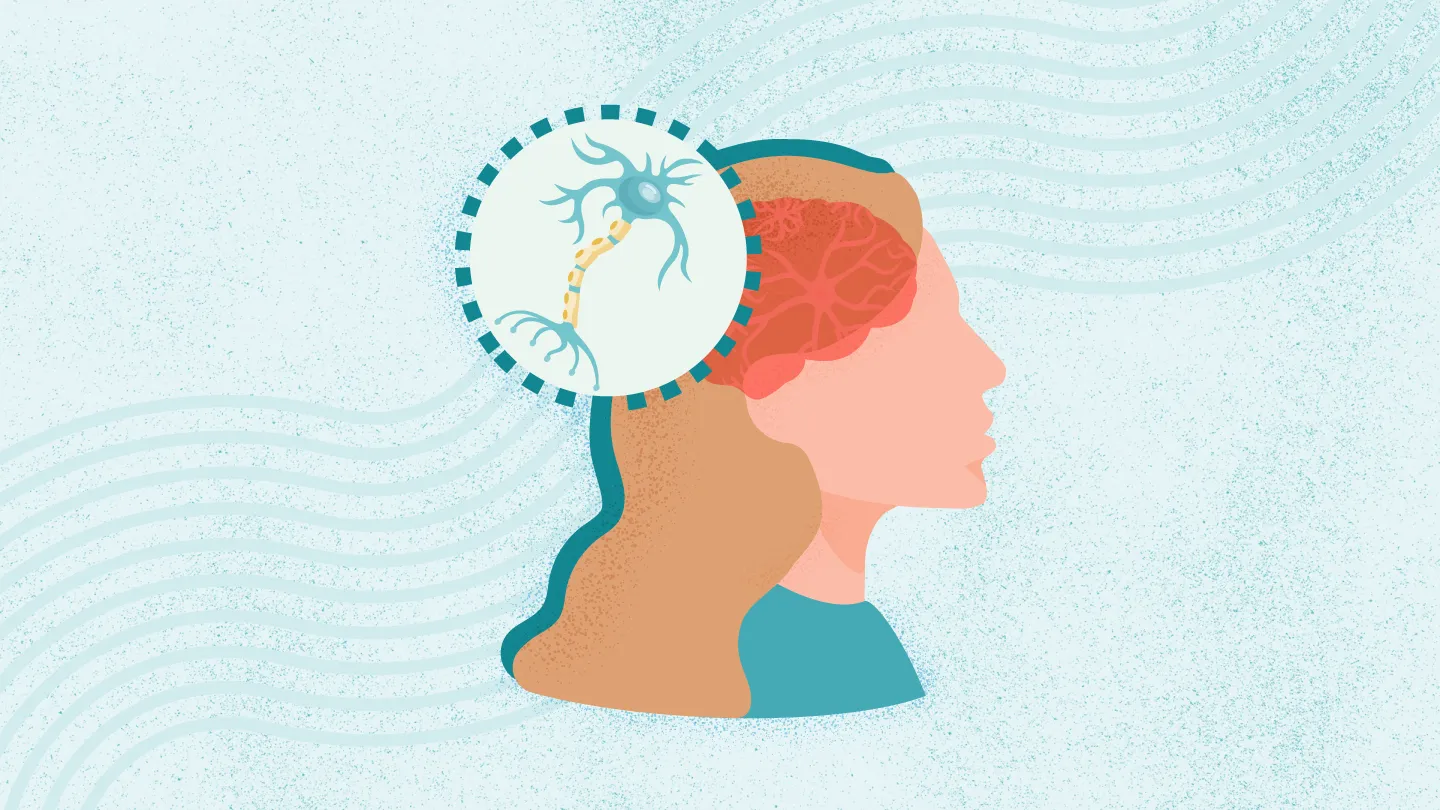
Multiple sclerosis, or MS, is a disease of the central nervous system that causes symptoms throughout the body. The progressive condition causes scar tissue, called lesions, along the nerve fibers in the brain, spinal cord, and optic nerve. Over time, damage to the myelin sheath (covering of nerve fibers) leads to lesions and disruption of the electrical impulses between the brain and the body. While some experts believe MS is an autoimmune condition, others believe that underlying causes lead to its development. More research is needed to determine its underlying cause.e60dc2a1-f33c-4a05-9b50-8e3e8e5976296bbb2309-39a7-4861-a216-2b1f135aca88 MS can’t be cured, but treatment and prevention of relapses can help reduce symptom severity. Regular MRI scans can help doctors assess disease progression and determine proper medications and lifestyle changes.
Resources We Trust Mayo Clinic: Multiple Sclerosis Cleveland Clinic: Fatigue in the Context of MS Multiple Sclerosis Association of America: Multiple Sclerosis Symptoms National Multiple Sclerosis Society: Treating MS World Health Organization: Multiple Sclerosis
Treatment Treatment and Medication Options for Multiple Sclerosis In many cases, MS symptoms can be treated . Sometimes, treatment involves taking medication . Other times, it involves getting a form of rehabilitation, such as physical therapy, occupational therapy, speech therapy, or cognitive therapy. People with MS who are depressed can often be helped by the same types of antidepressants, psychotherapy, and lifestyle changes that are beneficial for depressed people who don’t have MS. Even when treatment can’t relieve an MS symptom entirely, it can often reduce its severity. Disease-Modifying Therapy Options Disease-modifying medication can reduce the number and severity of relapses in those who have them. It can also slow disease progression. However, these drugs don’t treat MS symptoms, nor are they effective at shortening an MS relapse that’s in progress. A long list of disease-modifying drugs is approved for people with relapsing-remitting MS to lower the frequency and severity of acute attacks and slow disease progression.e60dc2a1-f33c-4a05-9b50-8e3e8e5976297c36ccff-3551-4ddf-ba0e-9a5037240fae Only one medication, ocrelizumab (Ocrevus), has been shown to reduce the likelihood of disability progression in people with primary-progressive MS.e60dc2a1-f33c-4a05-9b50-8e3e8e597629271c7fa1-8f97-4046-ab51-869894e584c3 In September 2024, the FDA approved a subcutaneous version of ocrelizumab called Ocrevus Zunovo. The twice-a-year, under-the-skin dosing regimen gives people living with MS another treatment delivery option.e60dc2a1-f33c-4a05-9b50-8e3e8e5976291e3e877c-9e9d-4e9f-98d3-9a0adbba194a And for people with “active” secondary-progressive MS, meaning they still experience relapses, and new lesions continue to be seen on their MRIs, a growing number of drug treatments have become available since 2019.e60dc2a1-f33c-4a05-9b50-8e3e8e5976298cd655b2-4ef0-4c8c-b619-10350c327d79 Other Treatments for MS Symptoms There are a variety of other treatment options to relive MS symptoms, and they can be used in addition to disease-modifying drugs:e60dc2a1-f33c-4a05-9b50-8e3e8e5976291a8ac763-26e7-4851-97d3-0b2bf0ba1c3be60dc2a1-f33c-4a05-9b50-8e3e8e597629231ffbd5-52cd-40c5-acef-a541a6db0421 Analgesics , such as NSAIDs (like ibuprofen) or acetaminophen (Tylenol), for pain Antispasmodics , such as baclofen (Fleqsuvy), to ease muscle spasms Muscle relaxants , such as dalfampridine (Ampyra) and tizanidine (Zanaflex), to improve walking ability Physical therapy to deal with fatigue, weakness, pain, and spasticity. A physical therapist can prescribe exercises, stretches, and other ways of doing tasks to preserve energy. Occupational therapy to find easier or alternative ways to achieve daily tasks, including use of assistive devices and energy conservation techniques Speech-language therapy to address trouble with speaking or swallowing Cognitive rehabilitation for help with memory and thinking-related tasks Psychotherapy for help with depression, anxiety, grief, or distress related to living with chronic conditions Lifestyle changes like meditation and exercise to improve function and quality of life Treating an MS relapse may also involve taking a short course of high-dose steroids , such as methylprednisolone (Solu-Medrol), delivered intravenously in an outpatient clinic or infusion center. Steroids speed recovery but cannot repair any new damage to the nervous system caused by the inflammation.e60dc2a1-f33c-4a05-9b50-8e3e8e59762930e72036-22da-4615-aea9-06ee9fbd2603 Disease-modifying drugs can reduce the number of relapses an individual has — and therefore the amount of residual disability.e60dc2a1-f33c-4a05-9b50-8e3e8e597629ee83d131-a4d4-4cf7-9eaf-106d75ebc806
Read the full article here


Leave a comment
