


How Is Constipation Diagnosed? Diagnosis Your doctor will perform a physical exam and ask about your medical history. They will also ask about your diet, exercise, and bowel movement habits, and whether you are taking any medications.e60dc2a1-f33c-4a05-9b50-8e3e8e597629e5b37be1-91ba-4259-a9c7-9763db0157cf In addition to a general physical exam, your doctor may also: Gently feel your abdomen to check for tenderness, pain, or irregular lumps Examine your anus and the surrounding tissue Use a gloved finger to examine your rectum In some cases, an initial doctor’s visit may be enough to diagnose constipation and make a treatment plan. But, if lifestyle interventions don’t resolve constipation, you may need additional tests to determine the underlying cause. Tests may include:e60dc2a1-f33c-4a05-9b50-8e3e8e59762920783933-cb22-47e5-9910-a34aea716684e60dc2a1-f33c-4a05-9b50-8e3e8e597629e5b37be1-91ba-4259-a9c7-9763db0157cf Lab Tests A stool sample test can check for signs of infection, inflammation, and cancer. Blood and urine tests can reveal underlying conditions, such as diabetes, hypothyroidism, and anemia. Imaging Tests An X-ray, MRI , or CT scan can reveal blockages in your colon or other problems causing constipation. Endoscopy Your healthcare provider may perform a colonoscopy or endoscopy . This procedure involves inserting a small tube with a scope to examine your rectum and colon. Colorectal Transit Study This involves swallowing a pill that tracks how food moves through your digestive system. Rectum and Anus Tests These assess how well your rectum and anus are functioning. They include insertion of a small balloon into your rectum to check how your muscles are working and X-ray or MRI imaging to reveal how your rectum and anus work when passing stool.
The Takeaway Constipation is difficulty having bowel movements or having fewer than three bowel movements a week. Common causes of constipation include a lack of dietary fiber, pregnancy and other life changes, medication side effects, and certain medical conditions. Treatment for constipation includes diet and lifestyle changes, laxatives and other medications, enemas, and rarely, surgery. Eating a healthy diet, getting regular physical activity, and practicing good bowel habits can help prevent constipation.
Signs and Symptoms of Constipation Symptoms Symptoms of constipation include:e60dc2a1-f33c-4a05-9b50-8e3e8e597629379bf034-ae35-4ed9-b2a5-1efe48915da9 Lumpy, dry, or hard stools Stools that are difficult or painful to pass Feeling as though your rectum is blocked Feeling as though you can’t completely empty your bowels Needing help to empty your rectum, such as using a finger to remove stool Constipation is considered chronic if you experience two or more of these symptoms for three months or more.
Complications of Constipation Complications Complications of chronic constipation include:e60dc2a1-f33c-4a05-9b50-8e3e8e597629c3c92db4-c67f-46c9-8c76-bf86390600e0 Hemorrhoids Swollen, inflamed veins in the rectum caused by repeated straining Anal Fissures Small tears in the skin around the anus caused by overstretching, often accompanied by bleeding Impacted Stool Stool that has become hardened and stuck in the colon Rectal Prolapse When a small part of your intestinal lining pushes out of your anus , caused by straining
Causes and Risk Factors of Constipation Causes Constipation can have a variety of causes, including lifestyle and dietary habits, medications, and certain medical conditions. Constipation is more common in females and adults older than 65.e60dc2a1-f33c-4a05-9b50-8e3e8e597629746a8216-a0e4-4249-895d-4e5a0c3a5c83 Lifestyle Causes Your diet, activity level, and routine can contribute to constipation. For example:e60dc2a1-f33c-4a05-9b50-8e3e8e597629746a8216-a0e4-4249-895d-4e5a0c3a5c83 Lack of fiber Inadequate fluids Too much coffee, tea, or alcohol Lack of physical activity Pregnancy e60dc2a1-f33c-4a05-9b50-8e3e8e5976290e5be404-f87f-4ec5-a957-1374a95581be Changes in your daily routine, such as travelinge60dc2a1-f33c-4a05-9b50-8e3e8e59762948db0a6d-0ee4-47bb-acf4-09041e320404 Medications Constipation can be a side effect of some medications, including those that treat:e60dc2a1-f33c-4a05-9b50-8e3e8e597629746a8216-a0e4-4249-895d-4e5a0c3a5c83e60dc2a1-f33c-4a05-9b50-8e3e8e59762948db0a6d-0ee4-47bb-acf4-09041e320404 Pain , such as opioids Antacids Antihistamines (allergy medications) Antidepressants High blood pressure medications Seizure medications Anticholinergics (drug used to treat nervous system disorders) Antipsychotics Obesity and diabetes High doses of iron supplements can also cause constipation.e60dc2a1-f33c-4a05-9b50-8e3e8e597629cc60f430-d9a3-432a-807b-26dafb74b651 Medical Conditions People with certain medical conditions are more likely to experience constipation, including those with:e60dc2a1-f33c-4a05-9b50-8e3e8e597629746a8216-a0e4-4249-895d-4e5a0c3a5c83 Pelvic floor disorders Neurological disorders, such as Parkinson’s disease , multiple sclerosis , or stroke Diabetes Conditions that cause blockages, such as a tumor Gastrointestinal disorders, such as irritable bowel syndrome (IBS) Migraine
Treatment and Medication Options for Constipation Treatment Treatment for constipation typically starts with diet and lifestyle changes, like eating more fiber, drinking enough water, and using good bowel habits. Your healthcare provider may also recommend switching medications you take if they are causing constipation.e60dc2a1-f33c-4a05-9b50-8e3e8e597629466e9e3b-652a-41b7-881c-b04892e4175f If these changes don’t help, other options may be necessary, like laxatives , enemas , prescription medications, or rarely, surgery. Diet and Lifestyle Changes You doctor may recommend the following changes to relieve constipation:e60dc2a1-f33c-4a05-9b50-8e3e8e597629dea1acff-53ad-4d3b-8dda-f6fb8c130b2c Eat plenty of fiber. Drink enough water. Get regular physical activity. Don’t avoid the urge to pass stool. Laxatives Laxatives help move stool through your colon. Types of laxatives available without a prescription include:e60dc2a1-f33c-4a05-9b50-8e3e8e59762908bb87e3-7303-4573-a5c8-e49e717e42f7 Fiber supplements These help your stool retain fluid, increasing their consistency and making them easier to pass. Examples include psyllium and methylcellulose Osmotics These draw water into your intestines, helping stool move more easily through your colon. Common osmotics include milk of magnesia, lactulose, sorbitol, and polyethylene glycol (PEG). Lubricants Lubricants, like mineral oil, aid the passage of stool by lubricating the intestines. Stimulants These cause your intestines constrict (peristalsis) and decrease the amount of water they absorb, helping to push stool through your colon. Examples include bisacodyl, senna, cascara, and sodium picosulfate (SPS). Enemas and Suppositories An enema is fluid, such as water or mineral oil, gently pumped into your rectum to help loosen blocked stool. Your doctor may recommend an enema if other treatments don’t work.e60dc2a1-f33c-4a05-9b50-8e3e8e597629dea1acff-53ad-4d3b-8dda-f6fb8c130b2c Suppositories are small, tube-shaped objects inserted into your rectum. They slowly dissolve and release laxative medications such as osmotics, lubricants, or stimulants. Prescription Medications Your healthcare provider may recommend prescription medications for constipation if over-the-counter options or other treatments don’t work.e60dc2a1-f33c-4a05-9b50-8e3e8e597629dea1acff-53ad-4d3b-8dda-f6fb8c130b2c Prescription medications for constipation include:e60dc2a1-f33c-4a05-9b50-8e3e8e5976297d8ba3f4-8d17-4c97-aaf6-f1d8a1cf6c96 linaclotide (Linzess) lubiprostone (Amitiza) plecanatide (Trulance) prucalopride (Motegrity) prescription osmotics, such as lactulose The following prescription medications can help treat opioid-induced constipation:e60dc2a1-f33c-4a05-9b50-8e3e8e597629466e9e3b-652a-41b7-881c-b04892e4175f methylnaltrexone (Relistor) naldemedine (Symproic) naloxegol (Movantik) Biofeedback Therapy Biofeedback therapy can help treat pelvic floor dysfunction. Your pelvic floor is the group of muscles that need to coordinate in order for you to have a bowel movement. Constipation can be caused by pelvic floor dysfunction, which is when your pelvic floor muscles are uncoordinated.e60dc2a1-f33c-4a05-9b50-8e3e8e59762993c6e1ee-984f-4658-90af-908bcc07018d During biofeedback therapy, a physical therapist inserts a probe into your rectum and places pads on your abdomen to monitor your muscle coordination. They then lead you through breathing, strengthening, and relaxation exercises to retrain the movement and coordination of your pelvic floor. Surgery In rare cases, you may require surgery to treat constipation. Your healthcare provider may recommend surgery if a structural problem is causing constipation, such as a blockage, anal fissure, rectal prolapse, or narrowing of the intestines.e60dc2a1-f33c-4a05-9b50-8e3e8e5976296b521712-f45b-4a2b-a5b7-066299d0de56
Resources We Trust Cleveland Clinic: Constipation and Other Common GI Problems in Children Mayo Clinic: Pregnancy Constipation: Are Stool Softeners Safe? Harvard Health Publishing: Treating Constipation With Biofeedback for the Pelvic Floor National Institute on Aging: Concerned About Constipation? International Foundation for Gastrointestinal Disorders: Opioid Induced Constipation
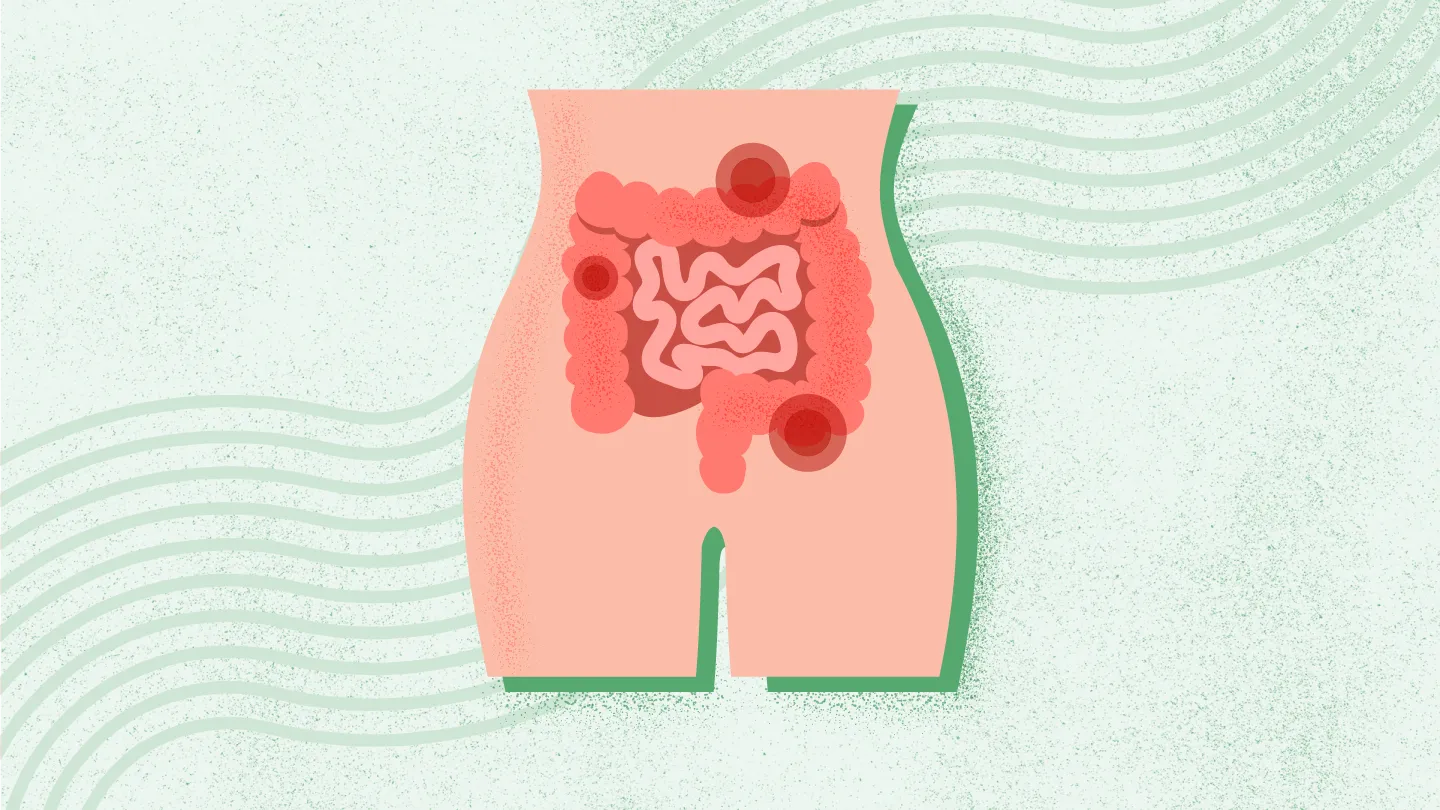
Constipation is a problem with having bowel movements. It is one of the most common gastrointestinal complaints and often occurs because of a lack of dietary fiber . Generally, a person is considered constipated when they have fewer than three bowel movements a week and stools become difficult to pass.e60dc2a1-f33c-4a05-9b50-8e3e8e5976293eff9029-c7c1-47cc-9611-c9bde9b8961f Normal bowel movement frequency can differ greatly from person to person. Some people may pass stools several times a day, while others may only poop once or twice a week. Constipation becomes an issue when a lack of bowel movements becomes distressing or interferes with daily life.
Read the full article here

Leave a comment
