Here’s how to replace five common vitality-sapping foods with more energizing options.
Swap White Bread for Whole-Grain Bread
Instead of nestling tuna or turkey between slices of white bread, try a bread that lists a whole grain (like whole wheat, barley, or oats) as its first ingredient. Just note that, if you aren’t used to eating a lot of whole grains, it’s best to go slowly. “Any increase in fiber should occur gradually to avoid bloating, gas, or stomach pain that may happen if fiber intake is quickly increased,” Gaw says.
Swap Processed Deli Meats for Cooked Chicken or Turkey
While you’re upgrading the outside of your sandwich, it’s worth a look at what’s inside it, too. Newlin says processed meats like deli ham, salami, or bacon, though a quick source of protein, are often high in preservatives like nitrates and sorbates. “These additives can disrupt the gut microbiome and lead to inflammation,” she says, which can worsen fatigue and lead to weight gain.
A better option for quick-fix sandwiches: Make a larger batch of a healthy lean protein at dinnertime, then save the leftovers for lunches. These meats are naturally more satisfying, helping you to feel full on fewer calories. Newlin says salmon, chicken, and turkey are great choices: “These swaps help you avoid hidden preservatives, support better gut health, and make it easier to manage your body weight.”
Swap Soda for Flavored Carbonated Water
In the short term, sweet soda may give you a quick burst of energy. But a couple hours later, you might not be feeling so effervescent. “Soda and other highly sweetened beverages are likely to lead to a blood sugar spike and subsequent energy crash,” says Gaw. More research is needed, but some studies even suggest that sugar-sweetened drinks could also disrupt sleep, making daytime fatigue even more pronounced.
You’ve got lots of options for flavorful beverages with less sugar and fewer calories: “Swapping sweetened beverages for naturally flavored carbonated water, water with fruit slices, or juice diluted with water can provide energizing hydration without an eventual energy dip,” Gaw says.
Swap High-Fructose Corn Syrup for Naturally Sweet Fruit
High fructose corn syrup (HFCS) makes its way into so many foods, from energy drinks to granola bars, often replacing the sweetness you’d prefer to get from real fruit. “The problem is that HFCS is absorbed very quickly and can send your blood sugar on a roller coaster, often leaving you tired and craving more,” says Newlin. This ubiquitous sweetener can also encourage fat production and increase inflammation while providing little nutritional value.
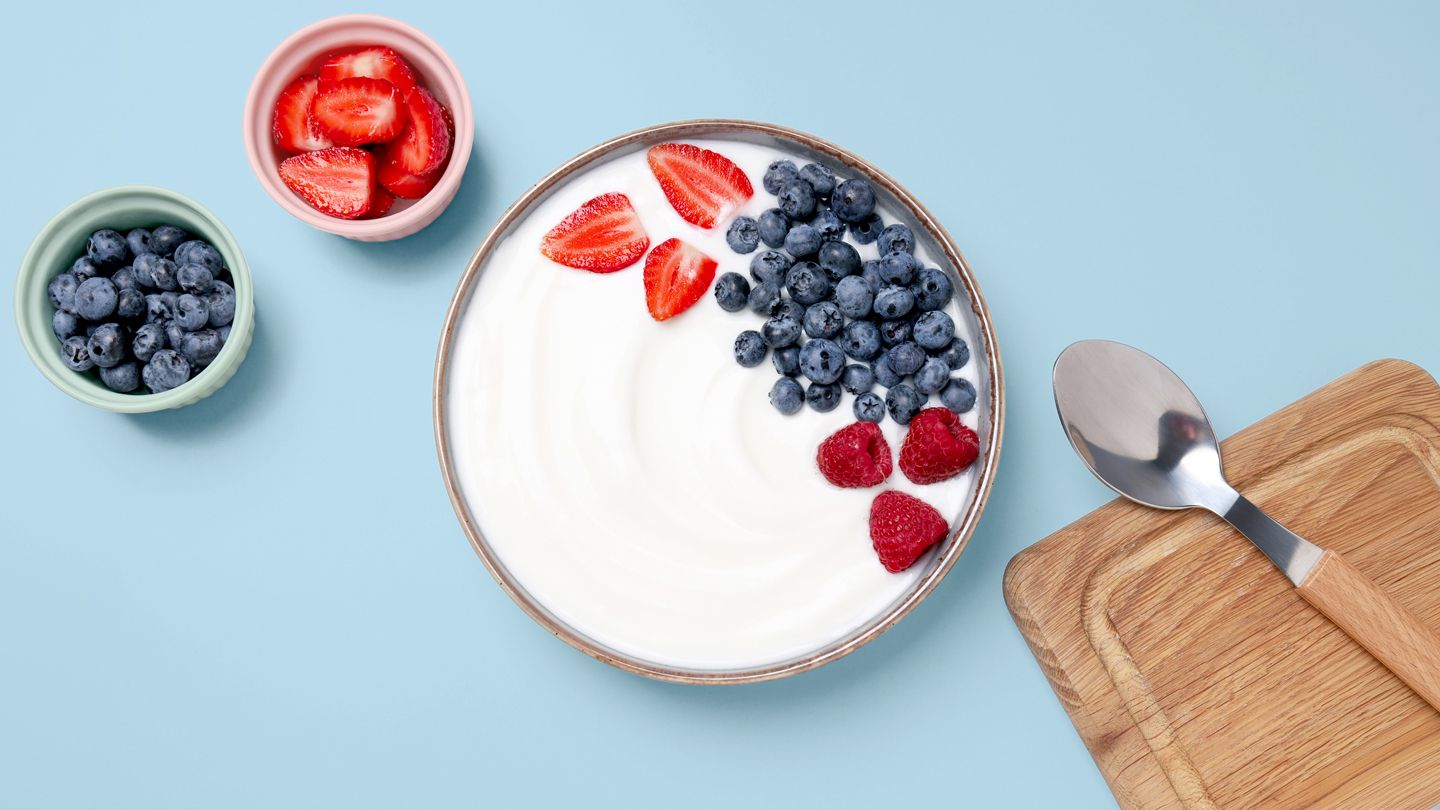
By contrast, the sugars in whole fruit come with fiber, which slows down digestion and keeps you satisfied longer, Newlin says. At dessert, choose fruit like fresh berries over a packaged treat sweetened with HFCS. When it comes to packaged snack bars or yogurts, Newlin encourages reading labels. Look for products that use real fruit rather than high fructose corn syrup.
Swap White Rice for Quinoa
White rice is a staple food in many cuisines, but it’s not the best option for lasting energy. Without much fiber, white rice breaks down quickly in the digestive tract, says Newlin: “[This] sends your blood sugar soaring, leaving you tired and hungry again way too soon.”
Read the full article here