


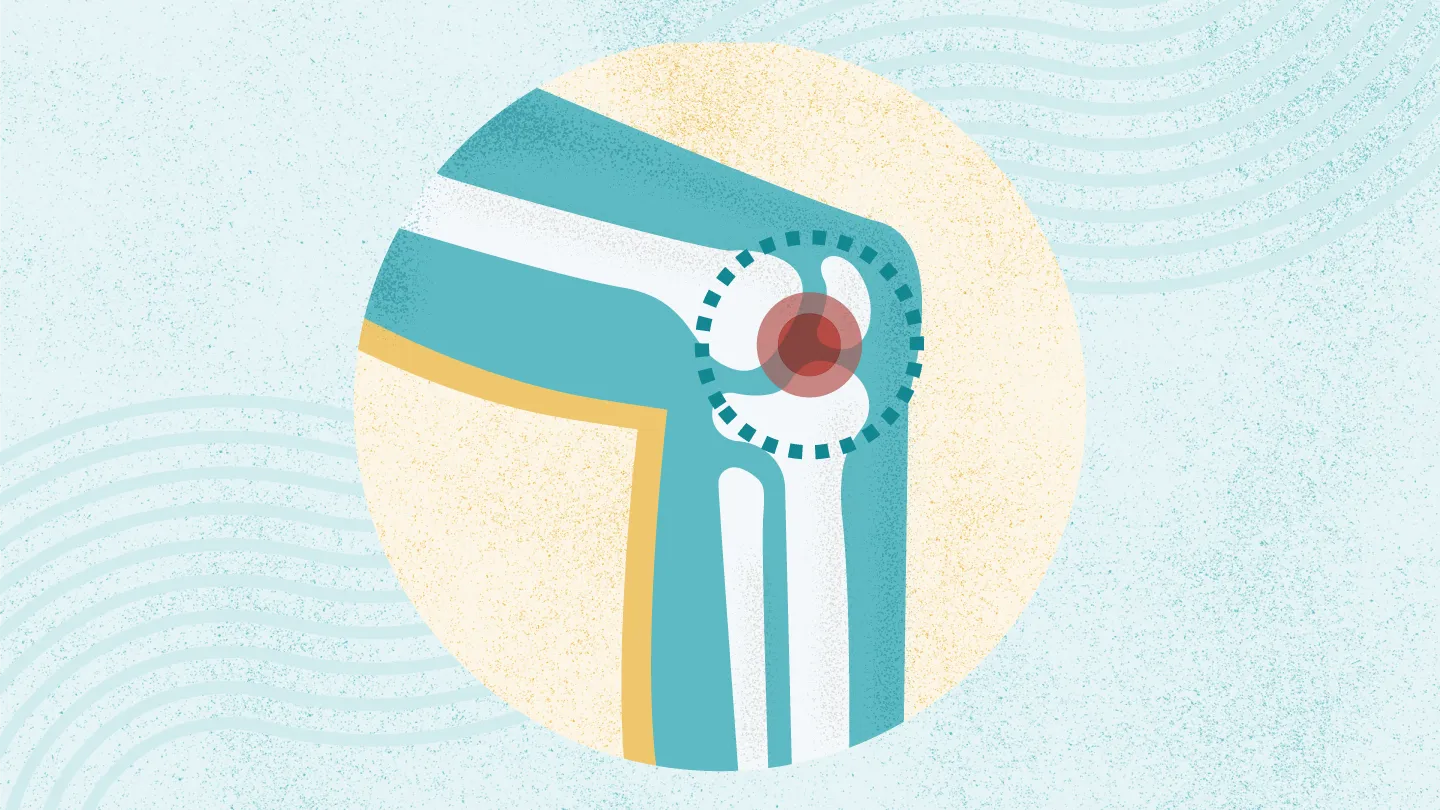
Osteoarthritis is the most common type of arthritis . It is a degenerative joint disease that happens when the tissues that cushion your joints slowly wear over time.e60dc2a1-f33c-4a05-9b50-8e3e8e597629a1b1ef3b-baff-43c2-92d9-b0c303a6ba91 Osteoarthritis is one of the most common causes of physical disability in adults. While it typically affects older adults, it can also be caused by excessive wear on the joints, such as from obesity or athletic activities. There is no way to reverse osteoarthritis, but lifestyle changes and treatments can help manage symptoms and prevent it from progressing.
Causes Causes and Risk Factors of Osteoarthritis Osteoarthritis occurs when cartilage and other tissues in your joints change and break down gradually over time. This most commonly happens with age, but it can also be due to other factors. Factors that increase your risk of developing osteoarthritis include the following:e60dc2a1-f33c-4a05-9b50-8e3e8e597629674c6ac1-f294-46ed-bbaf-ec81bde7ee5c Aging Overweight and obesity Diabetes e60dc2a1-f33c-4a05-9b50-8e3e8e597629602c3978-1161-4b07-8184-a9b31dcde529 Joint injury Overuse from repetitive movements Joints that don’t form correctly Family history of osteoarthritis Women are more likely to have osteoarthritis than men after age 50. For women, osteoarthritis typically develops after menopause.
Complications Complications of Osteoarthritis Pain, reduced mobility, and side effects of medications can cause these complications of osteoarthritis: Chronic Pain Osteoarthritis can worsen over time, leading to chronic joint pain and stiffness that make daily tasks difficult.e60dc2a1-f33c-4a05-9b50-8e3e8e597629246fb2e0-f7d4-410d-949d-5cb6e00beb4b Falls and Fractures Weakened muscles, decreased joint function, and balance problems can make falls more likely and increase your risk of fractures. Side effects from pain medications, such as dizziness, can also contribute to falls.e60dc2a1-f33c-4a05-9b50-8e3e8e59762972939fdb-b566-426c-9d7e-f3daffe24d9b Mental Health Effects Pain, stiffness, and mobility issues can cause sleep disturbances and lead to depression.e60dc2a1-f33c-4a05-9b50-8e3e8e597629246fb2e0-f7d4-410d-949d-5cb6e00beb4b Obesity Joint pain in your feet, knees, hips, and back can make it more difficult to exercise. This can lead to weight gain over time. Being overweight or having obesity increases your risk of type 2 diabetes and heart disease.e60dc2a1-f33c-4a05-9b50-8e3e8e59762972939fdb-b566-426c-9d7e-f3daffe24d9b
Treatment Treatment and Medication Options for Osteoarthritis There is no cure for osteoarthritis, but medications, assistive devices, and therapies can help manage pain and slow its progression .e60dc2a1-f33c-4a05-9b50-8e3e8e597629fe476f2b-fc3a-4913-8f49-51d9ba27bb61 Medications Medications can help relieve pain and reduce inflammation caused by osteoarthritis. They can be taken orally, applied topically to the skin, or injected. They include the following types:e60dc2a1-f33c-4a05-9b50-8e3e8e59762940f51fcf-eaf6-4004-b97d-0b265a36ce10 Pain Relievers These include acetaminophen (Tylenol) and prescription opioids. Nonsteroidal Anti-Inflammatory Drugs (NSAIDs) NSAIDs help relieve inflammation and pain, and they are available over the counter or by prescription. They include aspirin, ibuprofen (Advil, Motrin), naproxen (Aleve, Naprosyn), and celecoxib (Celebrex).e60dc2a1-f33c-4a05-9b50-8e3e8e5976297938f849-87ab-4b23-a307-54ef549f61d2 Topical Medications These contain ingredients that affect your nerve endings to take focus away from pain. They can make the affected area feel cold, warm, or numb, and include menthol, lidocaine, and capsaicin. Corticosteroids These prescription anti-inflammatory medications are taken by mouth or injected into a joint. Duloxetine (Cymbalta) This antidepressant medication is approved by the U.S. Food and Drug Administration for treating pain. Physical Therapies and Assistive Devices Physical and occupational therapists can help you learn exercises and movements to stabilize and protect your joins and ease pain. They can also suggest assistive devices to make daily activities easier:e60dc2a1-f33c-4a05-9b50-8e3e8e5976293f8dd7f5-99f0-4004-a2fc-4077ec643c12 Physical Therapy Physical therapists can guide you through exercises to help improve strength, increase mobility, maintain flexibility, and reduce pain. Occupational Therapy Occupational therapists teach you how to perform daily activities in ways that protect your joints and minimize pain.e60dc2a1-f33c-4a05-9b50-8e3e8e59762989f14dd9-087b-4c20-a405-b2212bc1814b Assistive Devices These help to increase mobility and assist with daily activities. Examples include braces, walkers, grabbers, button hooks, and lever door handles. Weight Loss Being very overweight puts strain on your weight-bearing joints, like your knees and hips. Excess body fat also promotes inflammation in your joints, which increases your risk of joint damage. Losing 5 to 10 percent of your body weight with lifestyle changes like eating a healthy diet and getting exercise can reduce stress on your joints.e60dc2a1-f33c-4a05-9b50-8e3e8e597629fe476f2b-fc3a-4913-8f49-51d9ba27bb61 Surgery In severe cases of osteoarthritis, surgery may be an option to repair or replace damaged joints:e60dc2a1-f33c-4a05-9b50-8e3e8e597629fc7462aa-0427-433a-b210-7ec5c2d477ae Arthroscopic surgery removes torn and damaged cartilage . Joint replacement involves partial or total replacement of a damaged joint with an artificial joint. Osteotomy changes the alignment of a bone to relieve stress on the joint. Arthrodesis is the surgical fusion of bones, often in the spine.
Resources We Trust Mayo Clinic: Mayo Clinic Q and A: Managing Osteoarthritis for Hips and KneesCleveland Clinic: Knee Gel Injections (Viscosupplementation)Arthritis Foundation: Prolotherapy for OsteoarthritisAmerican College of Rheumatology: OsteoarthritisCenters for Disease Control and Prevention: About Physical Activity and Arthritis
Lifestyle Changes Lifestyle Changes for Osteoarthritis The following self-care tips and lifestyle changes can help you manage pain, slow the progression of osteoarthritis, and delay surgery as long as possible:e60dc2a1-f33c-4a05-9b50-8e3e8e59762923fc50d7-32c8-4421-bfd8-688eafcb19dbe60dc2a1-f33c-4a05-9b50-8e3e8e5976290a27d4b1-8558-4038-ac78-8b32b241e4f2 Exercise Regularly Light to moderate physical activities like yoga, walking, and gardening can improve joint flexibility and range of motion, and can help you maintain a healthy weight. Eat a Healthy Diet Following a healthy, balanced diet plan can help manage blood sugar and inflammation, and can support weight loss if you have excess weight. Protect Your Joints Take time to warm up and cool down when exercising, use protective gear if you play sports, and make sure to rest between activities to give your joints time to recover. Use Hot and Cold Treatments Heat treatments like a heating pad or warm bath can help soothe stiff joints and tired muscles. Cold treatments like an ice pack or cold compress can reduce swelling, numb pain, and reduce inflammation. Reduce Stress Stress reduction techniques like meditation , deep breathing , and massage can help you relax and stop focusing on pain.
Support Support for People With Osteoarthritis Arthritis Foundation The Arthritis Foundation is dedicated to helping people with arthritis. It provides information about management and treatments, connections to support groups, and a dedicated helpline. American College of Rheumatology The American College of Rheumatology is a professional association committed to advancing the field of rheumatology. It offers educational information about arthritis and patient and caregiver resources, including connections to treatments and care.
Diagnosis How Is Osteoarthritis Diagnosed? To diagnose osteoarthritis, your doctor will perform a physical exam and ask about your symptoms and medical history. They may also order imaging and lab tests to examine your affected joints and rule out other conditions.e60dc2a1-f33c-4a05-9b50-8e3e8e59762968f8a72e-93f7-4421-8fd7-a8a98188cb09 During the physical exam, your doctor will check your joints for tenderness, range of motion, swelling, and flexibility. Imaging Tests These imaging tests allow your doctor to see changes in your affected joints:e60dc2a1-f33c-4a05-9b50-8e3e8e597629f8b877dd-a004-4560-9c8e-32168e0eaa8a X-rays X-rays can reveal bone damage and other changes related to osteoarthritis. MRIs Magnetic resonance imaging (MRI) can show detailed images of bones and soft tissues like cartilage. Lab Tests Laboratory tests can help confirm an osteoarthritis diagnosis:e60dc2a1-f33c-4a05-9b50-8e3e8e59762974dd7e17-7c46-45dd-b2d3-6e07c539ece4 Joint Fluid Analysis The area around your affected joints is numbed, and a needle is inserted to draw fluid. This fluid is analyzed for signs of infection or conditions like rheumatoid arthritis and gout . Blood Tests Blood tests don’t check for osteoarthritis directly, but they can check for inflammation and proteins linked to rheumatoid arthritis.e60dc2a1-f33c-4a05-9b50-8e3e8e597629cd341827-2b0c-4fa9-88d0-be82d6f66d8c
Symptoms Signs and Symptoms of Osteoarthritis Osteoarthritis can affect any joint, but it usually affects the hands, hips, knees, lower back, and neck. Damage to cartilage, changes in bone shape, and inflammation can result in pain, stiffness, and a loss of mobility. Common symptoms of osteoarthritis include the following:e60dc2a1-f33c-4a05-9b50-8e3e8e597629f553be5f-3e35-41bd-94dc-97ce9a527e19 Pain or aching during movement, after a long period of activity, or at the end of the day Stiffness in the joints upon waking or after inactivity Loss of flexibility that limits your range of motion Grating, clicking, or popping when you move affected joints Swelling around a joint Joint instability or buckling, such as when a knee gives out
The Takeaway Osteoarthritis is a degenerative joint disease that happens when tissues that cushion your joints slowly wear over time. It is the most common type of arthritis and typically occurs with aging, but it can also be caused by injury, overuse, and chronic inflammation. Common symptoms of osteoarthritis include joint pain, stiffness, and loss of flexibility. There is no cure for osteoarthritis, but medications, physical therapies, and weight loss can help manage symptoms. Surgery may be an option for severe cases. Osteoarthritis can make falls and fractures more likely and increase your risk of obesity, type 2 diabetes, and heart disease. Contact your doctor if you are concerned about osteoarthritis symptoms. Support organizations are available to answer questions and help you find treatment.
Outlook Prognosis and Outlook for Osteoarthritis How osteoarthritis develops can depend on factors like what caused it, how old you were when symptoms began, and your risk factors.e60dc2a1-f33c-4a05-9b50-8e3e8e597629e507fe88-a02d-401b-8941-5bc337f4b6be Joint pain can limit your movement over time, making it more difficult to perform daily activities.e60dc2a1-f33c-4a05-9b50-8e3e8e597629db241dc7-24b3-4419-8b9a-517c48a6fb4d Most people with osteoarthritis will need to manage symptoms for the rest of their lives.e60dc2a1-f33c-4a05-9b50-8e3e8e597629c6c139d3-2c0f-4974-8ba7-7e7fd4180113 But treatment can significantly improve functioning.
Read the full article here


Leave a comment
