What the Study Says
In Dr. Wu’s latest study, published in Gut, the researchers tracked outcomes in 64,268 adults in the United Kingdom, ranging in age from 37 to 73. Fifty-five percent of the participants were female. None of the participants had an IBS diagnosis at the start of the study. They were enrolled between 2006 and 2010, and researchers followed up on their health status and behaviors until 2022.
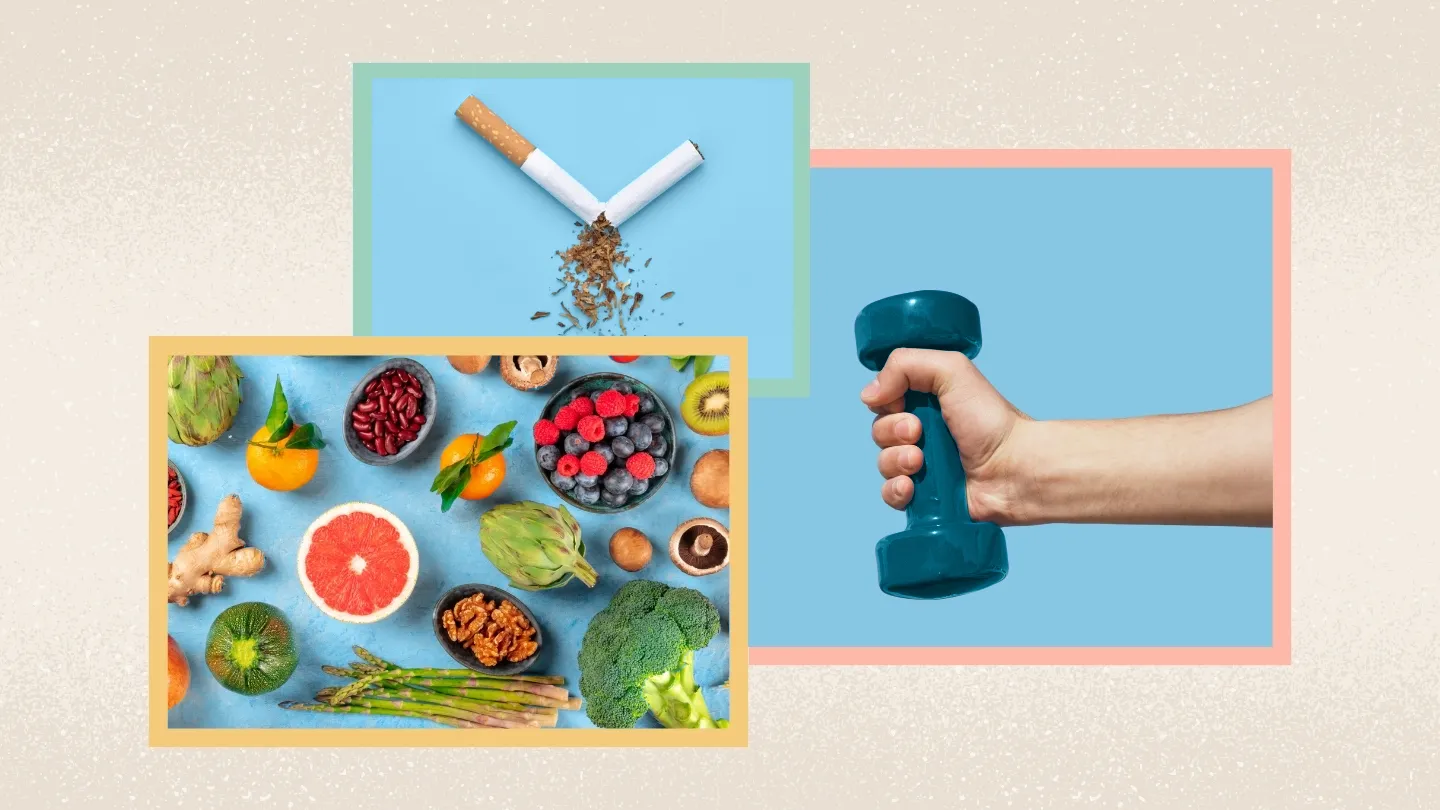
Participants self-reported information on healthy habits, including whether they smoked, slept at least seven hours a night, drank a low to moderate amount of alcohol, engaged in 75 minutes of vigorous physical activity every week, and ate a balanced diet consisting of vegetables, fruits, and whole grains every day.
During a period of just over 12.5 years, researchers recorded 961 cases of IBS (equivalent to 1.5 percent of the study’s participants). Of the total sample, here’s the breakdown of how many participants followed the five behaviors.
- Followed no behaviors: 7,604 participants (or 12 percent)
- Followed one behavior: 20,662 participants (or 32 percent)
- Followed two behaviors: 21,901 participants (or 34 percent)
- Followed three or more behaviors: 14,101 participants (or 22 percent)
From the data, the researchers determined that one behavior was associated with a 21 percent lower risk of developing IBS, two were associated with a 36 percent lower risk, and three to five were linked with a 42 percent lower risk.
Although smaller than the risk-reduction from combined habits, three healthy practices in particular were independently associated with a lower risk of IBS. The research produced the following data.
- Never smoking: Participants had a 14 percent lower risk of developing IBS.
- Getting vigorous exercise: Participants had a 17 percent lower risk of developing IBS.
- Sleeping for seven hours: Participants had a 27 percent lower risk of developing IBS.
There is, however, one surprising finding authors noted: Drinking a moderate amount of alcohol combined with the other four healthy lifestyle behaviors led to a more significant drop in IBS risk than complete abstention from alcohol. As to why this is, scientists say further investigation is needed, but it could be because of social interactions associated with alcohol and their contribution to overall well-being.
The study authors emphasized that the analysis in this study was observational — it showed an association but did not establish that these healthy practices prevented IBS. You still may develop IBS even if you follow all these behaviors. This study simply shows that these behaviors can potentially lower your risk of getting a diagnosis.
Read the full article here