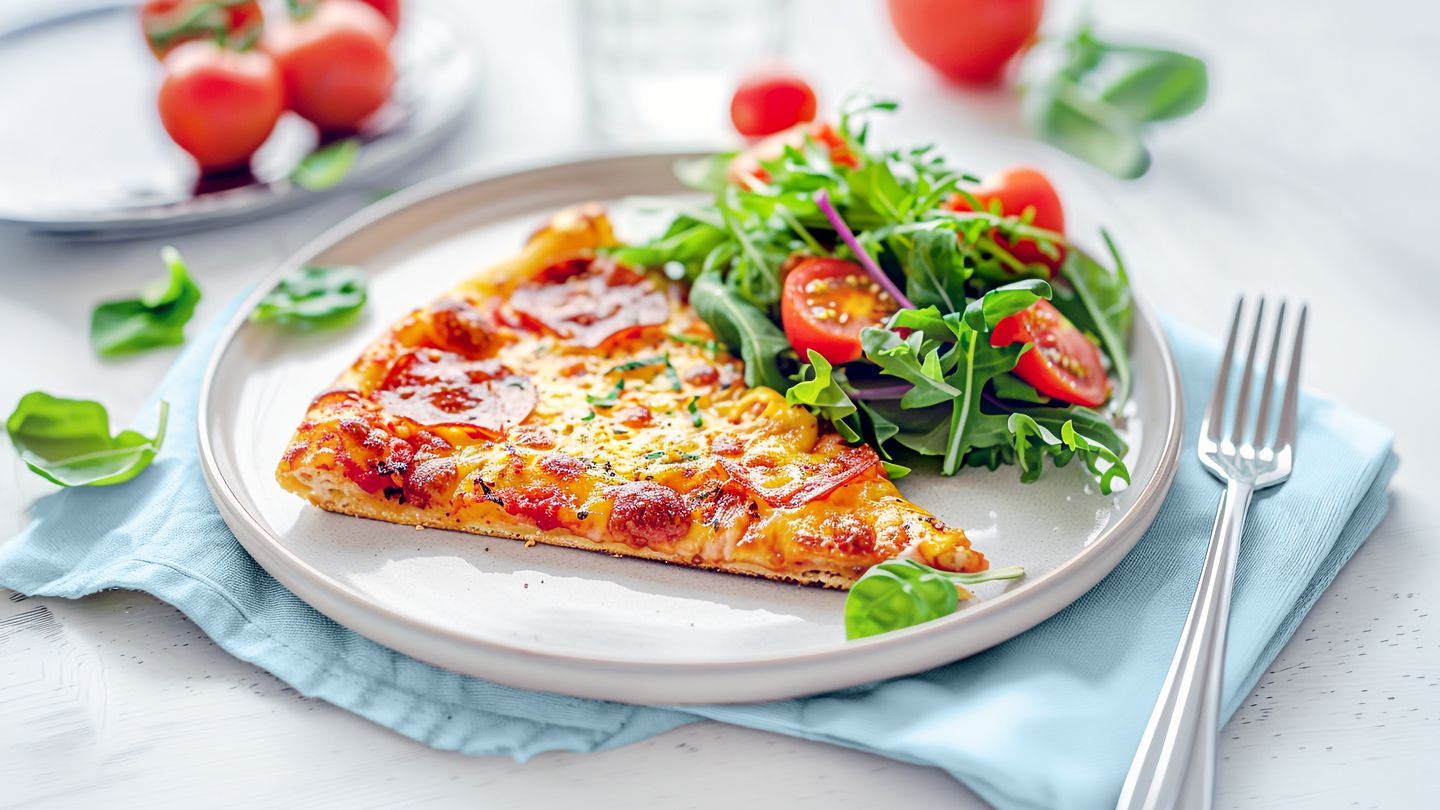
Foods that have historically been considered splurges tend to be higher in carbohydrates and fat, such as pizza, desserts, burgers and fries, and snacks like potato chips.
“When someone with diabetes eats a large meal that’s high in carbohydrates, blood sugar levels typically rise as those carbohydrates are broken down into glucose and absorbed into the bloodstream,” says Amy Kimberlain, RDN, CDCES, founder of Amy’s Nutrition Kitchen in Miami.
When you have diabetes, your body doesn’t produce enough insulin or can’t use it efficiently, allowing blood sugar to rise higher or stay elevated longer, Kimberlain explains. This can mean that you stay out of the blood sugar range recommended by your physician.
These very high blood sugar levels can have unwelcome effects on both your short- and long-term health. If you feel lethargic or mentally slower after a big meal, it’s not just the amount of food in your belly: Symptoms like brain fog and food coma may be a result of your glucose levels skyrocketing. Wild glucose swings may also have an especially bad effect on your long-term diabetes health and management, leading to chronic inflammation and blood vessel damage.
“This is why portion size, meal composition, and timing — along with medications or insulin when prescribed — all play a role in helping manage blood sugar after meals,” Kimberlain says. The following strategies can help you do just that.
Read the full article here