4. Fortified Milk
Almost all commercial cow’s milk in the United States is voluntarily “fortified,” which just means manufacturers add about 3 mcg (120 IU) of vitamin D to every cup during processing. There might not be a specific label on the front of the carton, but you can usually spot it in the ingredients list as “vitamin D3 added” or “increased vitamin D.”
A 1-cup serving of 2 percent fortified milk typically offers 2.96 mcg (116 IU) of vitamin D, which covers 15 percent of your daily value. Whole milk has slightly less at 2.39 mcg (95.6 IU) per cup, but you can boost your intake per meal by pouring your milk over fortified cereal or having a cup of fortified oats on the side.
5. Plant-Based Milk Alternatives
Many plant-based milk alternatives, including soy, oat, and almond milks, are also fortified with comparable amounts of vitamin D. Although the fortification levels vary across brands and types, a 1-cup serving of fortified soy, almond, or oat milk generally provides between 2.5 and 3.6 mcg (100 to 144 IU).
6. Fortified Cereal
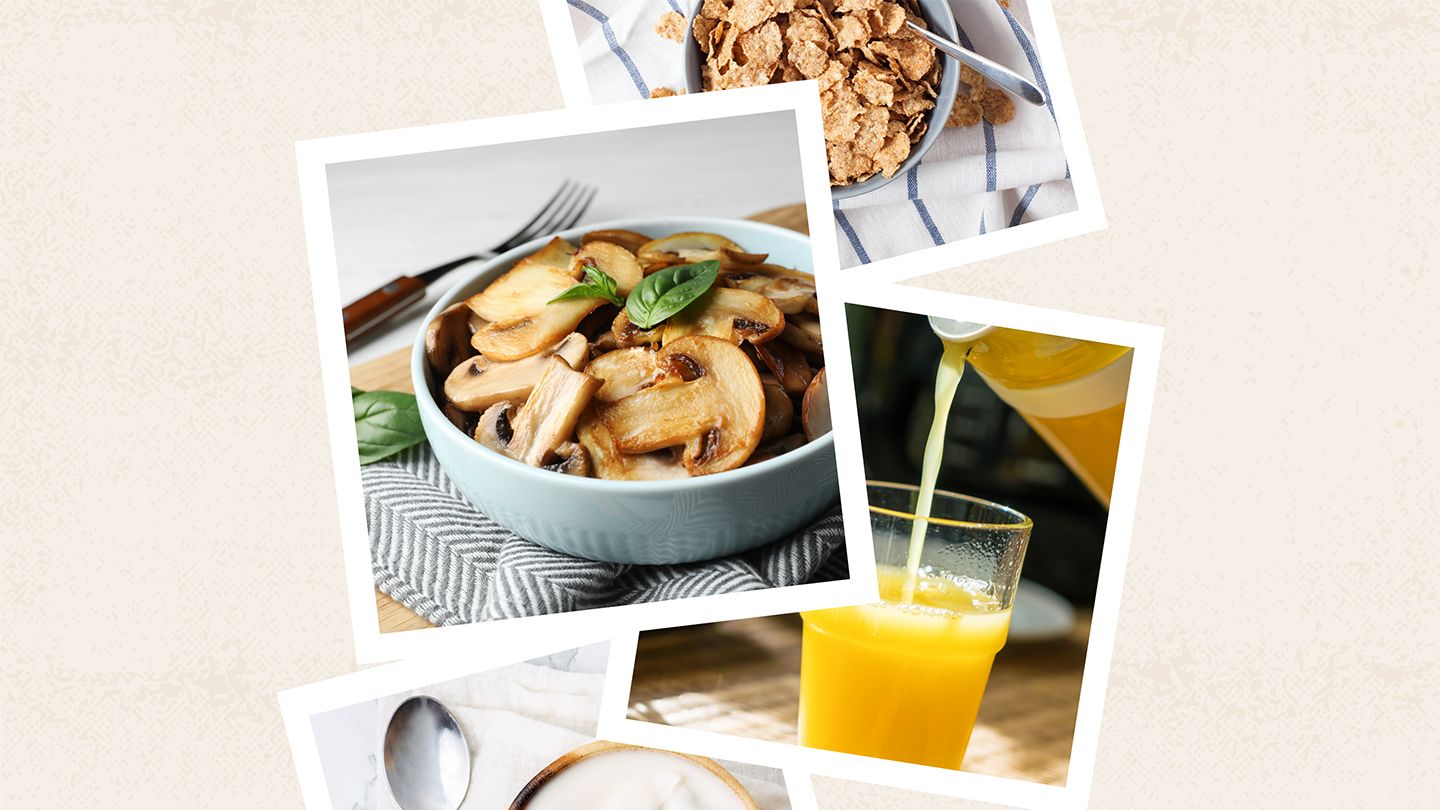
Ready-to-eat cereal may not always be the healthiest choice since so many boxes are basically just processed sugar. But it’s also one of the easiest ways to get vitamin D — you just have to check the label to make sure it’s fortified. In fact, research shows that people who start their day with cereal have higher vitamin D levels and better diets overall than those who skip breakfast.
A 1-cup serving of fortified Raisin Bran, for example, provides 1.5 mcg (60.2 IU). That’s 15 percent of your daily value, and if you pour in a cup of fortified milk, you’re already at about 4.5 mcg (180 IU) for the morning.
7. Egg Yolks
Speaking of breakfast, eggs are another affordable and convenient way to add vitamin D to your diet. While the egg whites are great for protein, vitamin D is found almost entirely in the yolk. One large egg contains about 1.1 mcg (44 IU), though that amount can vary based on the hen’s diet and sun exposure. Whether you prefer them scrambled or folded into an omelet, you’re getting roughly the same nutritional boost, with one large scrambled egg providing 1.1 mcg (43.9 UI) and an omelet offering 1.7 mcg (69 IU) of vitamin D.
Choosing “pasture-raised” eggs can sometimes mean you’re getting a more nutrient-dense yolk. Research shows these eggs can have twice as many carotenoids (which give the yolk its deep orange color) and significantly more heart-healthy omega-3s than standard cage-free eggs.
8. Tuna Fish
Canned tuna is a budget-friendly way to hit your numbers without making a trip to the fresh seafood counter. A 3-oz serving of tuna packed in water has about 1.7 mcg (68 IU) of vitamin D. Tuna sits a bit lower on our list because it requires a little more prep than cracking an egg, and you have to be mindful of how often you eat it due to its mercury content — especially depending on the type you buy.
Albacore (white) tuna has three times the mercury as canned light tuna. Because of this, the FDA specifically advises people who might become or are pregnant, are breastfeeding, or are feeding young children to choose light tuna as a “Best Choice” to safely keep mercury levels low.
9. Sardines
If you want a cheap, shelf-stable alternative to tuna, sardines are a smart choice. A single 3.75-oz can of Atlantic sardines packed in oil provides 4.42 mcg (178 IU) of vitamin D.
Because they’re smaller, lower-chain fish, they naturally contain less mercury than larger seafood options. They’re also a good source of omega-3 fatty acids, calcium, potassium, and magnesium. Myers recommends mashing them onto sourdough toast with Dijon mustard, a thinly sliced red onion, and a squeeze of lemon for a quick, nutrient-dense meal. “Underrated, affordable, and the olive oil they’re packed in does the absorption work for you,” she says.
10. Beef Liver
While organ meats might not be on everyone’s weekly grocery list, they’re loaded with nutrients. Like fatty fish and egg yolks, beef liver is one of the few foods that naturally contain vitamin D. A 3-oz serving of braised beef liver has 1.02 mcg (41.6 IU), which is 5 percent of your daily value.
On top of giving you a bump of vitamin D, a 100-gram (3.5 oz) serving can knock out half of your daily target for iron, zinc, selenium, and B vitamins — and it completely covers your vitamin A needs for the day.
If you’re new to cooking with organ meats or intimidated by the strong taste, try mixing finely chopped liver into standard ground beef for burgers, meatloaf, or meatballs. It’s an easy way to mask the flavor while still sneaking in those nutritional benefits.
The Takeaway
- According to the National Institutes of Health, adults should get at least 20 mcg of vitamin D daily.
- The U.S. Food & Drug Administration defines “rich” or “high” sources of vitamin D as foods that provide 20 percent or more of your daily value per serving, or 4 mcg per serving.
- Fish like tuna, salmon, and sardines are all naturally rich sources of vitamin D.
- Some foods, like milk and cereal, are fortified with additional vitamin D, and are therefore also good sources of the nutrient.
Read the full article here