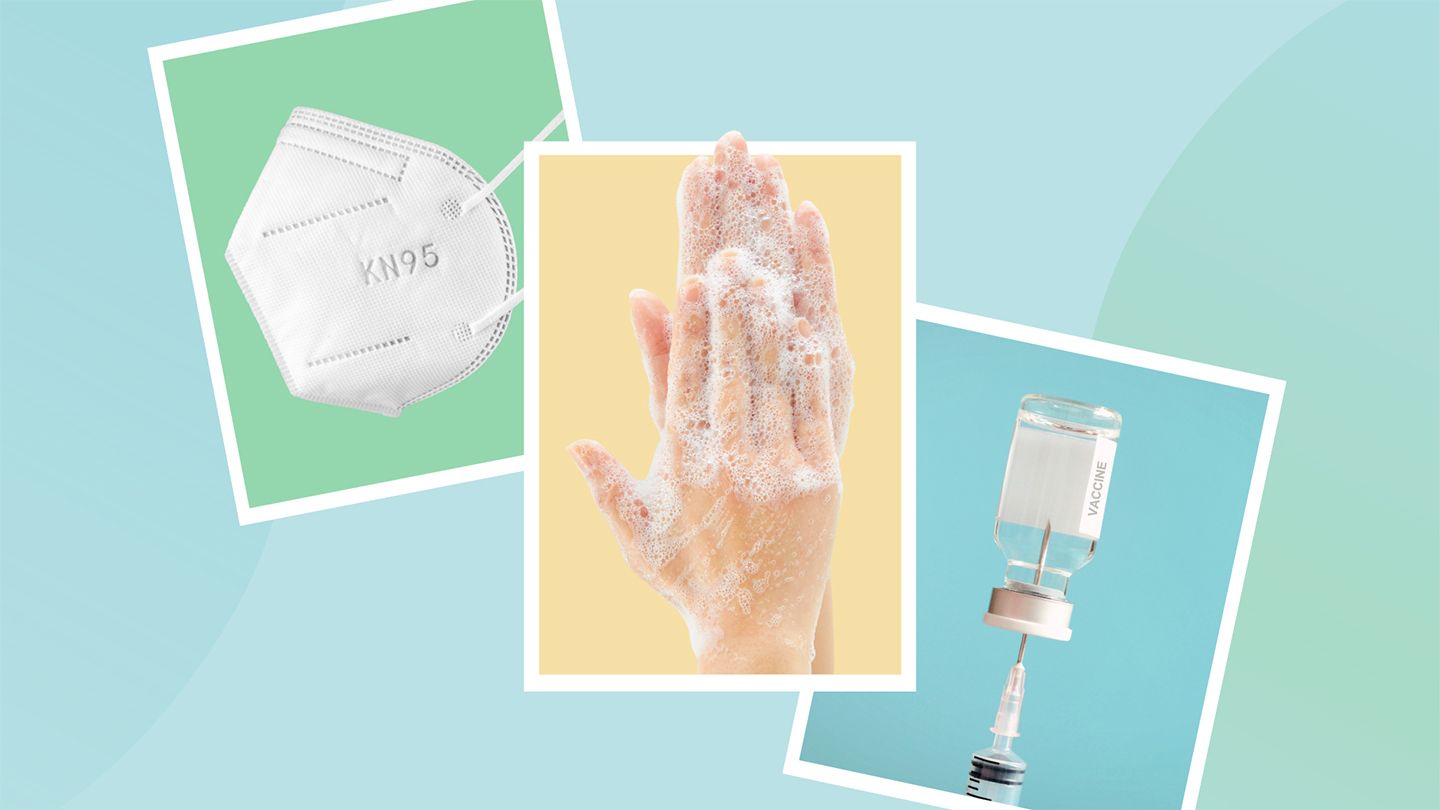
Mantle cell lymphoma (MCL) can put you at a high risk for an infection, especially during the first year after diagnosis. This is partly because both the disease itself and the treatments for MCL can weaken the immune system, making it harder for your body to fight off bacteria and viruses.
There are steps you can take to lower your risk of infection and stay as healthy as possible.
1. Practice Good Hand Hygiene
Handwashing is one of the best ways to prevent infection. “I always tell patients to wash their hands as often as possible because that’s one of the main ways that germs spread,” says Brad Kahl, MD, a hematologist-oncologist at Washington University in St. Louis.
Scrub your hands with soap and water for at least 20 seconds before eating, after using the bathroom, and when returning home from a public place.
2. Get Vaccinated
Vaccines help prevent infections by training your immune system to recognize bacteria or a virus, so your body can fight it more easily in the future.
Vaccines come in two main forms: live and non-live. A live vaccine contains a weakened (but still live) form of a germ. In people with stronger immune systems, this vaccine type isn’t dangerous, but if your immune system is already weakened by cancer or cancer treatments, it can cause a serious illness.
Non-live vaccines are safer, since they use a killed (or inactivated) germ to teach your body how to fight an infection. Others use genetic instructions (like mRNA) to help your body make a small piece of a germ, so your immune system can learn to recognize it and fight it off.
Your doctor may recommend these non-live vaccines:
Live vaccines to avoid include these types:
- Flu nasal spray
- MMR (measles, mumps, rubella)
- Varicella (chickenpox)
- Rotavirus
- Small pox
- Yellow fever
- Oral typhoid
If possible, try to get vaccinated two to four weeks before starting any treatment that weakens your immune system. This gives your body time to build a stronger immune response. While vaccines can be given during treatment, a weakened immune system may not respond as strongly.
It’s also a good idea for family members, friends, and care partners to stay up to date with their vaccinations. When those around you are protected by vaccination, you’re less likely to be exposed to preventable infections.
3. Avoid Crowded Areas
Germs can spread more easily in crowded areas, so limit your time in places such as movie theaters, concerts, and busy shopping areas.
For everyday errands, try going out during quieter times of the day, like early mornings and weekdays. You can also utilize curbside pickup, delivery services, and online shopping to avoid large crowds.
You don’t have to hole up inside your home, though. “Social interaction is very important for some people’s mental health,” says Dr. Kahl. “Just do little things to try to minimize your risk.”
At social events, wear a well-fitting mask or choose a seat further from other people. It’s also a good idea to keep your distance from anyone who appears to be sick.
4. Follow Safe Food Practices
Food can carry germs, and if it isn’t handled, cooked, or stored safely, it can result in a serious illness.
- Wash your hands before and after handling food.
- Clean surfaces before preparing meals.
- Wash produce thoroughly.
- Keep raw and cooked foods separate.
- Cook meat to the recommended temperature.
- Refrigerate food within two hours.
- Raw or undercooked meat, poultry, seafood, and eggs
- Unpasteurized juices and dairy products
- Raw sprouts
- Deli meats (unless reheated)
- Unwashed fresh fruits and vegetables
When eating out, choose restaurants with strong health‑inspection grades. Avoid buffets and salad bars where food may sit out for long periods of time.
5. Protect Your Skin and Mouth
The lining in your skin and mouth acts as a protective barrier to keep germs out of your body. When this line of defense is damaged through cancer or treatments, germs can get in more easily and cause infection. Fortunately, you can maintain a few easy habits to help protect these important barriers.
You can protect your skin by bathing daily and applying a moisturizing lotion to prevent dryness and cracking. When shaving, use an electric razor instead of a traditional one to avoid small nicks and cuts. If you get a cut or scrape, clean it right away and cover it with a clean bandage.
It’s also important to monitor any wounds as they heal. “If you have a wound, watch for any redness, swelling, or drainage,” says Maria Badillo, RN, of MD Anderson Cancer Center in Houston. “These are signs of infection that need to be reported to your oncologist so it can be taken care of right away.”
Your mouth needs the same level of care. Brush with a soft toothbrush and use a mouthwash to protect your mouth lining.
6. Know the Signs of an Infection
Because MCL and its treatments weaken the immune system, a minor infection can become serious if it’s not caught quickly. “I tell patients to have a low threshold for calling us if they have any signs or symptoms of an infection,” says Kahl. “You shouldn’t wait to see if a symptom is a serious issue or not.”
Call your doctor right away if you notice these symptoms:
- Fever of 100.4 degrees F (38.0 degrees C) or higher
- Skin that is red, swollen, or tender
- Chills or shaking
- Sweating more than usual
- Diarrhea
- Cough or sore throat
- A burning feeling when you urinate
- Unusual vaginal discharge or itching
- Stomach pain
- Bleeding gums or white patches in the mouth
“You should not treat your symptoms at home,” says Badillo. “Fever-reducing medicines like Tylenol can lower your temperature and make it harder for your doctor to detect an infection.” You should also avoid using home remedies to treat infection until you talk to your doctor, since some may be unsafe.
The Takeaway
- People with mantle cell lymphoma can have an increased risk of infection; this is because both the disease itself and its treatments can weaken the immune system, making it harder to fight germs.
- You can lower your risk of infection by practicing good hand hygiene, staying up to date on vaccines, avoiding crowds, handling food safely, and protecting your skin.
- If you notice any signs of infection, call your doctor right away. Early attention can prevent a minor issue from becoming serious.
Read the full article here