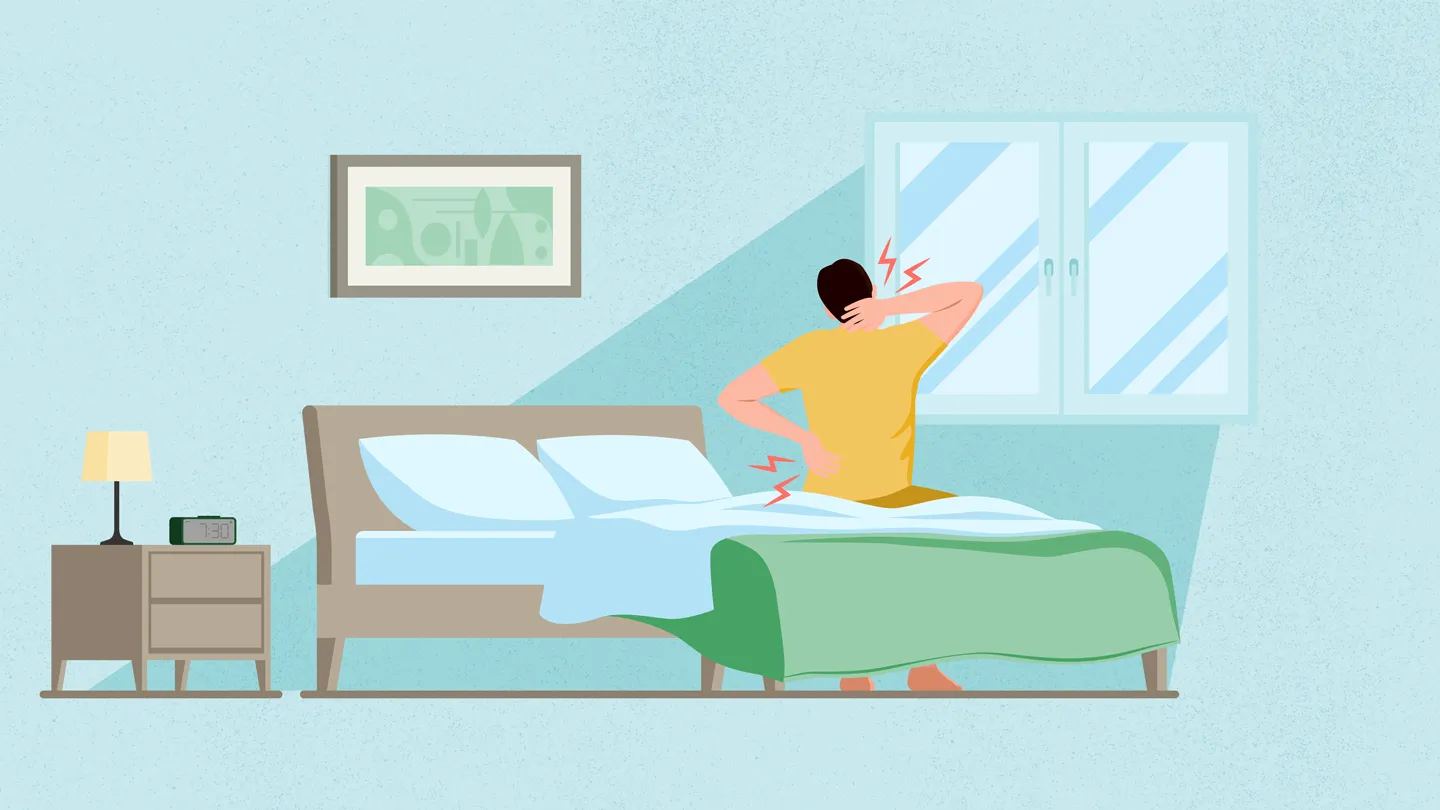
“If pain is persistent, it begins to oversensitize the central nervous system,” says Dr. Matar. This sensitization of the central nervous system can occur with any type of pain and also lead to other symptoms that may seem unrelated to the pain, such as sensitivity to light or noises.
Signs of pain becoming chronic include:
1. Pain That Lasts Longer Than Expected
Most injuries and surgeries follow a fairly predictable healing timeline. A sprained ankle, strained muscle, or minor procedure shouldn’t still be causing significant pain months later. If the tissue has likely healed but the pain is sticking around, that’s often a red flag that the nervous system may still be firing pain signals, even though the original injury has resolved.
“Within a week or two, if it’s not progressively getting better week to week, day-to-day, then you want to reach out to your provider and get checked out,” says O’Donovan. “You should be following a fairly linear recovery from acute pain.” Recovery doesn’t have to be perfect, but the overall trend should be forward.
2. Severe Pain
Pain that’s out of proportion to what might be expected for the injury is a sign of chronic pain, says Matar. So is feeling more sensitive to touch that typically wouldn’t be painful, such as a light tap causing significant discomfort. When the nervous system becomes hypersensitive, even mild stimuli can feel intense.
3. Fatigue During the Day or Tossing and Turning at Night
Pain and sleep have a two-way relationship. Ongoing discomfort can make it hard to fall or stay asleep, and poor sleep can amplify pain signals. If you’re waking up frequently because of pain or feeling exhausted even after a full night in bed, that disruption can be a clue that pain is becoming more persistent.
4. Pain That Spreads Beyond the Original Injury Area
Spreading pain is another sign that you may be transitioning to chronic pain. “Typically, as things get more and more chronic, the pain becomes more diffuse and widespread,” says O’Donovan. For instance, rather than pain pinpointed on the front of your knee, the entire knee might ache. “That’s emblematic of how your brain is processing the input as affecting a larger area.”
5. An Increased Reliance on Pain Meds
That could mean upping your dosage of current pain meds or turning to new options, and, unfortunately, you might still struggle to find relief. “With chronic pain, patients may rely more heavily on medication without meaningful improvement,” says Matar. That may be especially true if you’ve been taking opioids for the pain. “Chronic opioid use specifically may result in opioid induced hyperalgesia, which essentially means sensitivity can worsen over time,” she says.
6. Pain That Starts Affecting Your Mood, Focus, or Daily Life
When pain lingers, it doesn’t always stay physical. You might notice you’re more irritable, anxious about another injury, or avoiding activities you used to enjoy. When discomfort begins to shape your behavior, emotions, or routines, it can be a sign the issue has moved beyond a short-term injury.
Read the full article here