When air quality veers into the danger zone, take these steps to protect yourself:
Avoid Going Outside One of the easiest actions to minimize breathing in smoky air is to stay indoors. The CDC instructs people to keep windows and doors shut and run an air conditioner, keeping the AC’s fresh-air intake closed and the filter clean to prevent outdoor smoke from getting inside. Those without air-conditioning may want to seek out an air-conditioned community center.
If you do want to go outside during a period when wildfire smoke is high, Johnson suggests that conditions may be somewhat better at night or early in the morning or later in the day when there is less sunlight.
”When you don’t have sunlight, you’re going to have less conversion of pollutants to ozone [which is highly dangerous to a person’s health],” she says.
Daum adds, however, that there is no reliable time of day that is better than any other when it comes to air quality.
Those calculations are translated into an air quality index (AQI), a number ranging between 0 and 500. A level between 0 and 50 poses no health dangers. Members of vulnerable groups may begin having air pollution–related symptoms starting at 51. At 100, the air outside is considered unsafe for them. Most people will start to have noticeable symptoms at a level above 150, and anything above 300 is considered hazardous.
Keep Exercise Indoors and to a Minimum Physical activity increases breathing and heart rates, so when air quality levels go into the red, exercise inside and at a moderate (rather than high-intensity) pace. ”Overexertion should be avoided,” says Dr. Brawley.
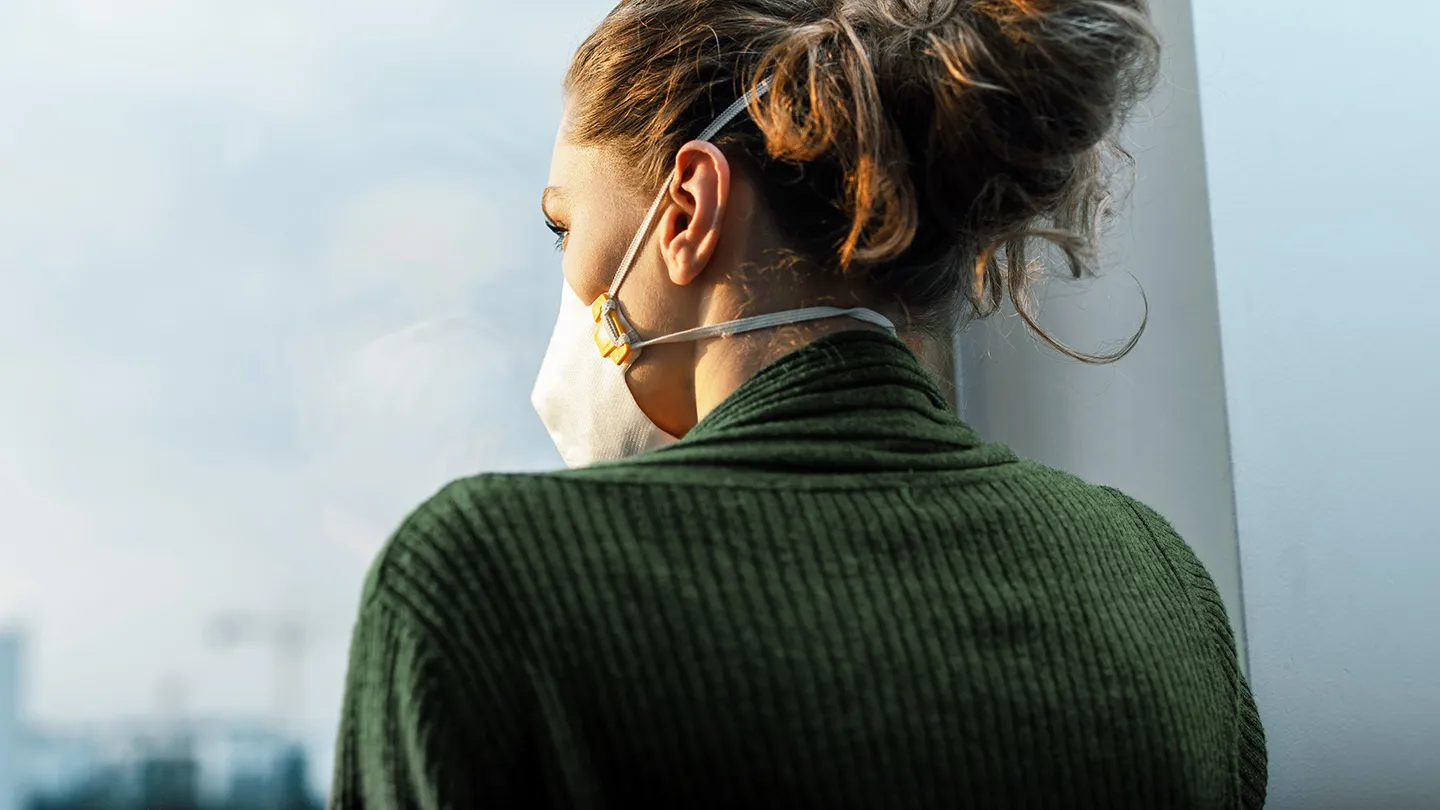
Wear an N95 Mask Daum advises wearing an N95 mask that fits snugly around the nose and mouth if you’re outdoors for a long time. ”A regular cloth mask or regular surgical mask probably won’t do much. An N95 probably won’t filter out everything, but it will help.”
Read the full article here