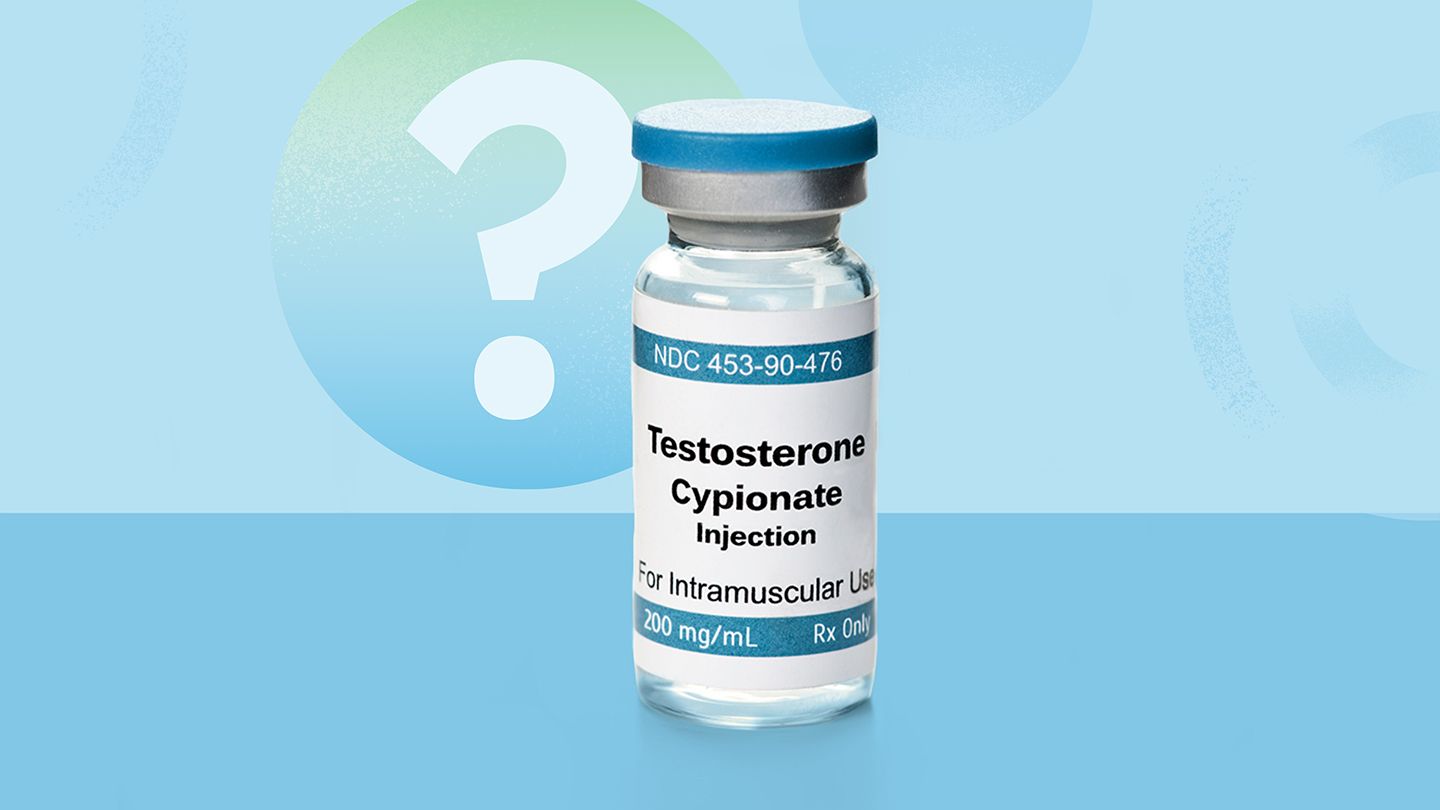
How Does Testosterone Replacement Therapy Affect Weight?
But How Does This Impact Weight?
Testosterone and weight are intimately connected, says Justin Dubin, MD, a urologist and the director of men’s sexual health at Baptist Health Miami Cancer Institute in Miami. When one of them changes, it can affect the other. “It’s a bidirectional, perpetuating cycle,” he says.
Research also suggests that weight loss can boost testosterone levels naturally.
“This led to wider research on the metabolic effects of testosterone and whether TRT could in fact be used to support weight loss,” says Jeff Foster, MBChB, a general practitioner in Warwick in the United Kingdom who specializes in men’s health and researches testosterone replacement therapy.
Resulting evidence suggested that TRT-related weight and body composition improvements were due to testosterone’s role as a metabolic hormone that regulates how your body uses energy and stores fat.
TRT was found to have a direct effect on metabolism, Dr. Foster explains. “If your testosterone levels are low, it slows down how you utilize energy — you lose muscle and you gain fat.”
While muscle mass decreases with low testosterone, strength doesn’t, though more research is needed to better understand this.
While most users will see a drop in body fat and an increase in muscle mass when they start TRT, the effects are typically much less than is seen with medications specifically indicated for weight loss, Foster says. He adds that weight loss is not one of the main reasons most people seek out TRT.
Read the full article here