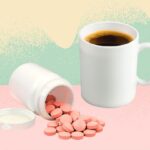
A social media trend has some women pairing over-the-counter allergy medications with the heartburn drug Pepcid AC with the idea that the combo has a special ability to ease perimenopause and menopause symptoms like hot flashes, night sweats, and anxiety.
One influencer, @thebeautybybrenda, claims using these medications in tandem can stop a “vicious loop” inside the body driven by menopausal changes, specifically fluctuating levels of the female sex hormone estrogen. The drug combo, she claims, can “take some pressure off the entire system.”
But scientists say there is no research on human subjects to support the notion that this drugstore hack has a meaningful impact on perimenopause and menopause symptoms.
They also point out that this DIY approach has some possible drawbacks, including side effects and possible interactions with other drugs.
What Is the Rationale for This Social Media Trend?
Theoretically, this drug combo has some basis in science. Both Pepcid AC and antihistamine allergy drugs work by blocking histamine receptors in the body, and histamine and estrogen do interact.
Histamine is a chemical compound naturally produced by immune cells, including mast cells, in response to a threat like an allergen.
Estrogen stimulates (activates) mast cells, says Amy Voedisch, MD, a gynecologist and a clinical associate professor at Stanford Health in California.
The connection between estrogen and mast cell activation may be why some women notice that their allergies or allergy symptoms change over the course of their menstrual cycle, she says.
“Women may also notice a change in their allergies during perimenopause and menopause. Some may notice an improvement, others may experience worse symptoms, and some women may not notice any changes,” says Dr. Voedisch.
Voedisch adds that there currently is limited evidence on what role, if any, histamine plays in menopausal symptoms.
Symptoms of Mast Cell Activation and Menopause Typically Aren’t the Same
Symptoms of perimenopause and menopause don’t overlap with classical symptoms of mast cell activation, says Onyinye Iweala, MD, PhD, an allergist-immunologist and physician scientist at the University of North Carolina in Chapel Hill.
Common symptoms of perimenopause and menopause can include:
- Insomnia
- Depression
- Anxiety
- Weight gain
- Thinning hair
- Dry skin
- Frequently needing to pee
- Vaginal dryness
- Lowered sexual desire
Symptoms of mast cell activation, Dr. Iweala says, include:
- Itchy hives and swelling
- Flushing, itching skin
- Abdominal cramping with sudden onset diarrhea
- Throat tightness
- Chest tightness
- Repetitive sneezing and coughing or a throat-clearing sensation
Could Antihistamines Ease Menopause Symptoms Despite the Lack of Scientific Proof?
“It’s possible some may feel better on antihistamines, but it’s unclear why,” Voedisch says.
Symptoms of mast cell activation “can absolutely impact mood and prevent folks from getting restorative sleep,” Iweala says. Allergy drugs can ease those symptoms and make people drowsy, potentially offering relief from insomnia.
And it’s possible there is a histamine-menopause connection researchers do not fully understand yet, Voedisch says.
But right now, most experts don’t think that histamines have a direct impact on the root cause of perimenopause or menopause symptoms.
Potential Risks of This Drug Combo
Pepcid AC and antihistamine allergy medications are widely used and safe for many people when taken as directed. But over-the-counter does not mean risk-free, especially if someone is taking them regularly or combining products.
Potential side effects of antihistamines can include sedation, confusion, dizziness, headache, and other medication-related risks, says Stephanie Faubion, MD, a gynecologist and the director of the Mayo Clinic Center for Women’s Health in Jacksonville, Florida. Dr. Faubion also serves as the medical director of the Menopause Society.
“Generally speaking, these are safe medications, but I recommend reviewing your medical history and your medications with your physician to ensure there are no contraindications to use,” Voedisch says.
Even people without these conditions should talk with their doctor if they’re taking these drugs for an extended period of time.
Effective, FDA-Approved Treatments Already Exist for Perimenopause and Menopause Symptoms
Women don’t have to choose between toughing it out and trying a social media gimmick, Faubion says, because there are proven treatments for perimenopause and menopause symptoms.
“The most effective treatments are FDA-approved hormonal therapies. There are a wide variety of approaches, and it’s best to review your personal history with a menopause expert,” says Voedisch.
For people in perimenopause, options may include combined hormonal contraceptives, especially when birth control or bleeding control is also needed, says Faubion.
For hot flashes and night sweats, FDA-approved treatment options include:
- Menopause hormone therapy, which can help with hot flashes and vaginal dryness, and may also help protect bone health in some women.
- Fezolinetant (Veozah), an FDA-approved nonhormonal medication for moderate to severe hot flashes due to perimenopause and menopause.
- Elinzanetant (Lynkuet), a nonhormonal medication for moderate to severe hot flashes due to menopause.
- Low-dose paroxetine mesylate (Brisdelle), a nonhormonal option for moderate to severe hot flashes associated with menopause.
For vaginal dryness or pain with sex, moisturizers, lubricants, vaginal estrogen, and other prescription options may help.
Lifestyle strategies may also help some people feel better, especially when paired with medical care. Lifestyle interventions include fans, limiting alcohol and caffeine, improving your sleep habits, exercising, managing stress, and quitting smoking.
The Bottom Line: Should You Try Combining Pepcid AC and an Antihistamine for Menopause Symptoms?
Faubion does not recommend that women try this for their perimenopause or menopause symptoms. “We have much more effective options,” she says.
“There is no data to support the use of antihistamines for menopause symptom management, period,” says Faubion.
To be clear, experts aren’t against open discussion and sharing of symptoms and potential remedies. “It’s great that we are asking these questions and bringing up these ideas. We desperately need more research in midlife women’s health,” says Voedisch.
But we have to be careful with overstating the information that we do know and making promises about new therapies without having the evidence to back it up, she says.
“Women deserve to know the truth: what we know physiologically about what is happening in perimenopause and menopause and what therapies we know work. But they also need to know what we don’t know yet, so they can make the best choice for their health,” she says.
Read the full article here