Getting Started With the Nordic Diet: 5 Beginner Tips
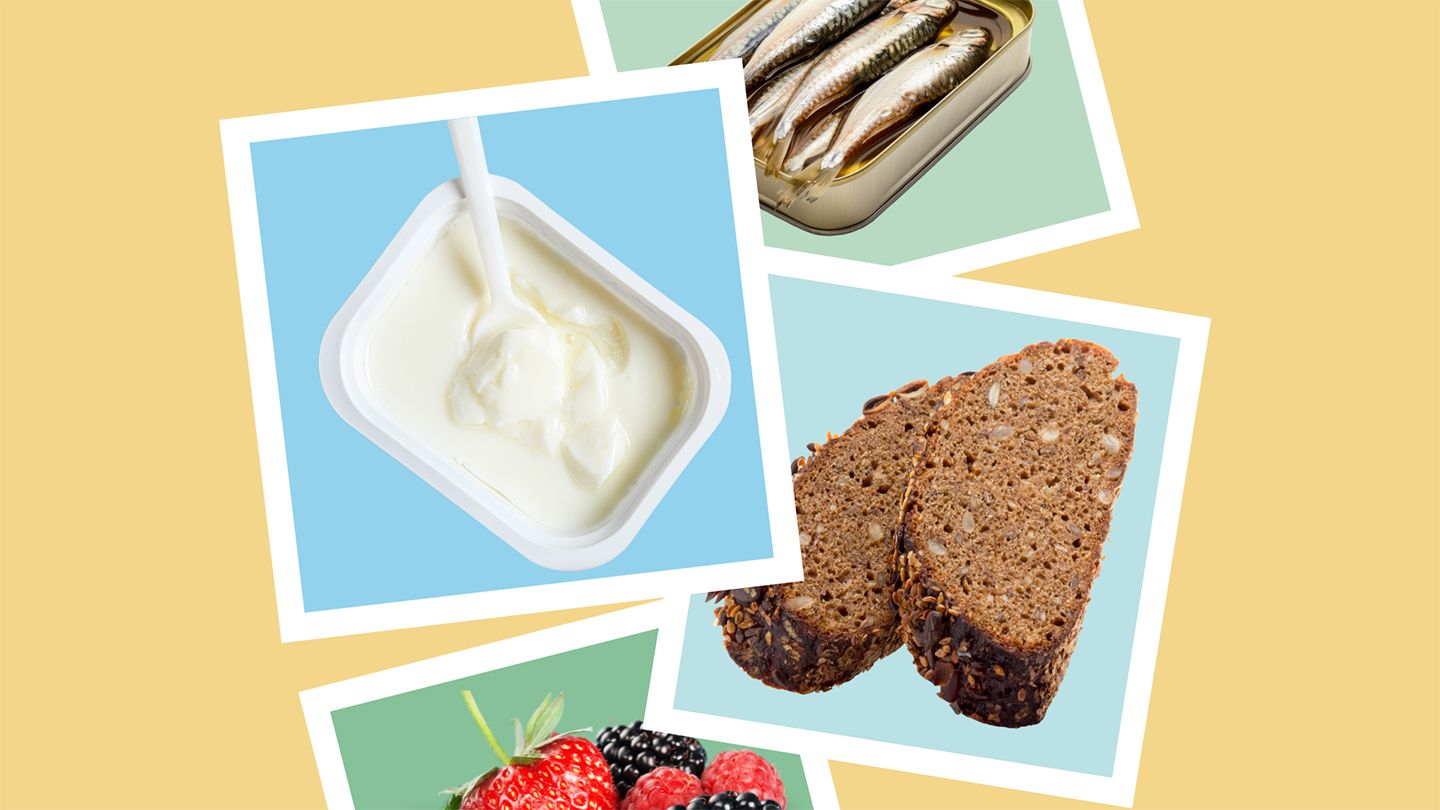
To follow the Nordic diet, you’ll want to keep the focus on whole, seasonal, plant-based foods and wild-caught fish.
That said, you can consider the diet a guideline for healthier eating, and it’s okay to adapt it in ways that might work better for you.
Here are a few tips to help you get started:
1. Make Small Swaps
On the Nordic diet, you can make dietary tweaks that work with your routine, budget, and eating preferences. Just try to focus on eating plant-based foods and seafood whenever you can.
“Start slow and small. Swap out a few chicken dishes at dinner for fatty fish like salmon or trout,” Moskovitz says. “Little swaps and additions along the way can add up to a big difference in your health and how you feel overall.”
2. Make Fruit a Go-To Snack
“Snack on fresh fruit instead of most options from a vending machine or convenience store,” Moskovitz suggests.
The Nordic diet puts a strong emphasis on berries especially, which are among the top food sources of vitamins, minerals, and other nutrients.
3. Shop Seasonally and Locally When Possible
Eating locally often means acquiring food items that were grown close to the place they’re being sold or consumed, such as a farm that isn’t too far from the grocery store or your house.
Seasonal eating refers to consuming produce around the same time it has been harvested.
If you have the means, try shopping at a farmers market in your area or signing up for a community-supported agriculture program where you receive weekly or biweekly boxes of fresh, seasonal produce.
But if you aren’t always able to eat locally or seasonally, don’t worry. Again, the Nordic diet is meant to be a guide for you to follow when you can.
4. Limit Alcohol and Added Sugars
Plus, most flavored alcoholic beverages contain added sugar.
And consuming too much added sugar — whether in alcohol or in foods like baked goods or candy — has proven negative effects on health, such as weight gain, obesity, type 2 diabetes, and heart disease.
So, to follow the Nordic diet, limit alcohol and choose foods and beverages with as little added sugar as possible. The best way to do this is to focus on eating whole foods, rather than highly processed ones.
5. Make Mealtime Intentional
Because the Nordic diet encourages cooking at home, it can help foster relationships and increase your sense of community, leading to a higher quality of life.
You might try getting together with friends once a week for a meal or a potluck event where everyone brings a home-cooked dish to share. At home, you might have the whole family make time to cook or eat dinner together.
Even if you’re eating alone, try focusing on your food — its smell, taste, and texture. Listen to your body’s cues about when you’re full. And put away your phone during mealtimes, since research shows it increases the calories you eat and disrupts your body’s metabolic responses.
Read the full article here