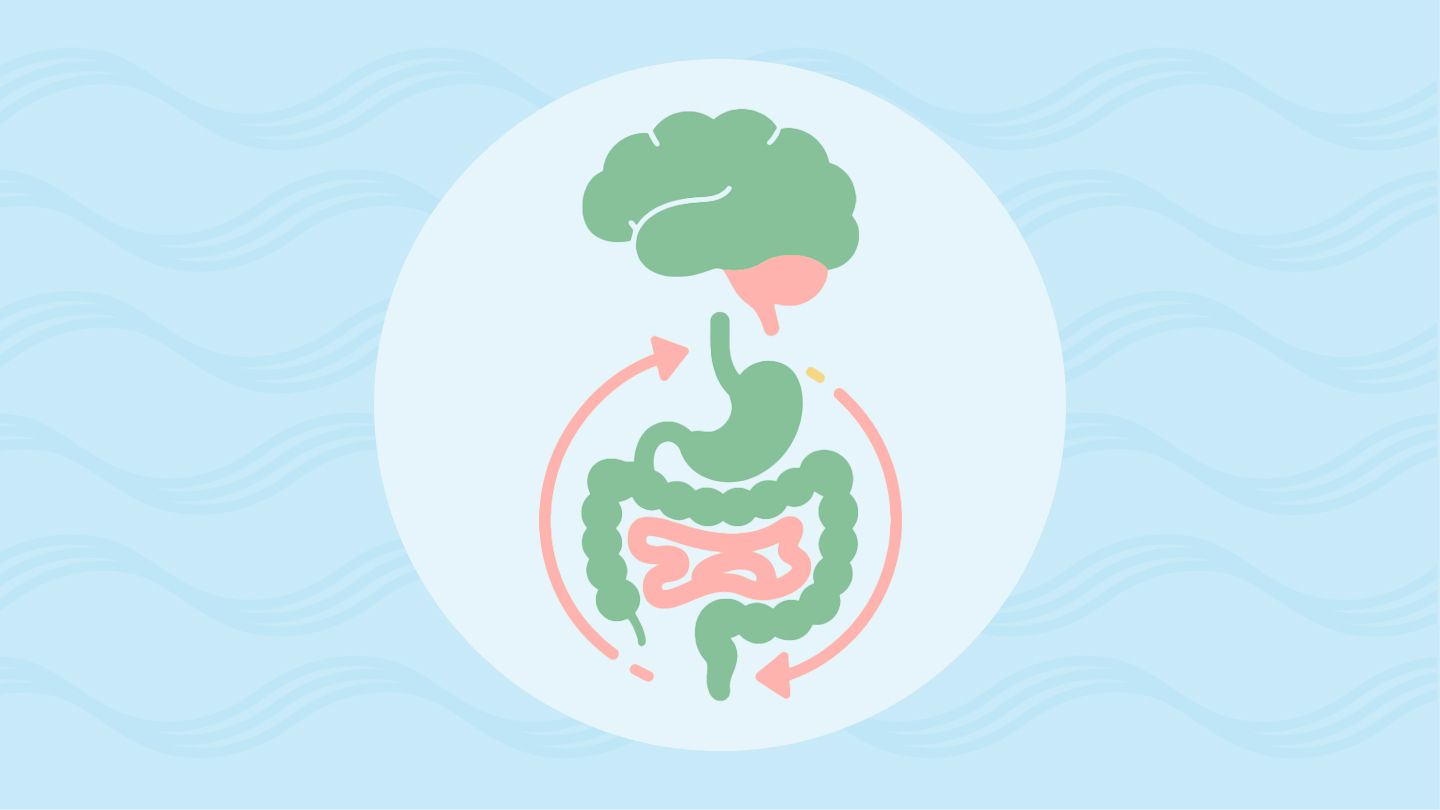
When anxiety affects the gut, it can result in a number of symptoms, says Rudolph Bedford, MD, a gastroenterologist at Providence Saint John’s Health Center in Santa Monica, California. They can include bloating, gas, abdominal pain, loss of appetite, tightness (feeling like your stomach is “in knots”), diarrhea, and constipation, he says.
Get Regular Physical Activity
When it comes to a tactic that eases both body and mind, physical activity should be at the top of the list, says Dr. Bedford.
“Exercise has been shown to be beneficial in many ways for both gut function and mental health,” he says. “It can boost the immune system, lower inflammation, and affect sleep. All of those play a part in both your gastrointestinal system and your anxiety level.”
Moderate exercise also provides advantages for digestive health. A research review of 231 studies noted that regular moderate-intensity exercise such as walking, cycling, and yoga led to lower inflammation, improved gut barrier integrity, and better gut motility in people with GI disorders. But it also found that high-intensity or lengthy workouts could contribute to digestive symptoms like nausea, diarrhea, and pain.
Focus on Quality Sleep
Because of that connection, a good starting point for alleviating both anxiety and gut issues is to focus on establishing a solid sleep schedule that allows for seven to nine hours of sleep every night, and to stick to it, even on the weekends.
Eat a Mediterranean Diet
Other components include:
- An emphasis on fruits, vegetables, whole grains, beans, nuts, and seeds
- Olive oil as a primary fat source
- Limited consumption of added sugars, sugary beverages, sodium, highly processed foods, refined carbohydrates, saturated fats, and processed meats
- Sticking to low-fat or fat-free dairy products
Talk With a Mental Health Professional
- Anxiety that impairs your ability to function
- Reactions that aren’t in line with situations (overreacting)
- An inability to control your anxious thoughts
Types of anxiety disorders include:
- Generalized anxiety disorder (GAD)
- Social anxiety disorder
- Panic disorder
- Separation anxiety disorder
- Agoraphobia, or fear and avoidance of certain places or situations
- Specific phobias, or fears
- Selective mutism, or declining to speak in situations that cause anxiety or fear
“Addressing the potential root of your anxiety is an important aspect of managing your mental health as well as anything that might be going on with your gastrointestinal health,” says Farhadi.
Connecting with a therapist, social worker, psychologist, or psychiatrist can be a helpful starting point in getting the support you need, he says.
Get Evaluated for Underlying Conditions
If you’ve been trying lifestyle changes that include getting more physical activity, improving sleep quality, and eating a healthy diet but you’re still struggling with anxiety and gut issues, it can be helpful to check in with your health provider to see if there may be an undiagnosed condition in play, says Bedford.
“You may think your digestive problems are a result of anxiety, when in actuality they might be connected to something else like inflammatory bowel disease or another condition like irritable bowel syndrome,” he says. “Often, if those conditions are managed effectively, it can improve mental health and mood as well.”
Talk to your doctor about the situation, especially if symptoms have worsened over time.
Read the full article here