How to Exercise With CIDP
You’re a good candidate for a general exercise program if your CIDP is in remission or if you’ve reached a point of recovery where you have relatively few restrictions on your mobility, Kimble says. If you’re in the midst of a flare, rehab guided by a physical therapist may be more appropriate. Your neurologist and physical therapist can help you decide what’s right for you.
If you’re ready to lace up your sneakers, you’ll want to keep some CIDP-specific considerations in mind. Here’s what you need to know to get set up for success.
Work With a Physical Therapist
Choose the Right Types of Activity
Moderate, low-impact activities are best for CIDP, ideally a mix of regular aerobic, resistance, mobility, and balance exercises each week. According to Salian, that might look like:
- Aerobic Exercises Walking, riding a stationary or recumbent bicycle, and water-based exercises are all good choices. If balance or gait issues make walking difficult, your PT can recommend modifications like taking frequent breaks or using assistive devices like a walker or orthotics. They may also suggest starting walking indoors (where there are fewer tripping hazards) and moving outside as you feel steadier.
- Resistance Exercises Bodyweight exercises or lifting light weights help you get stronger, especially when you gradually increase the intensity. The key is starting with light weights and avoiding going too hard, since fatiguing your weakened muscles and nerves can slow your recovery rather than support it.
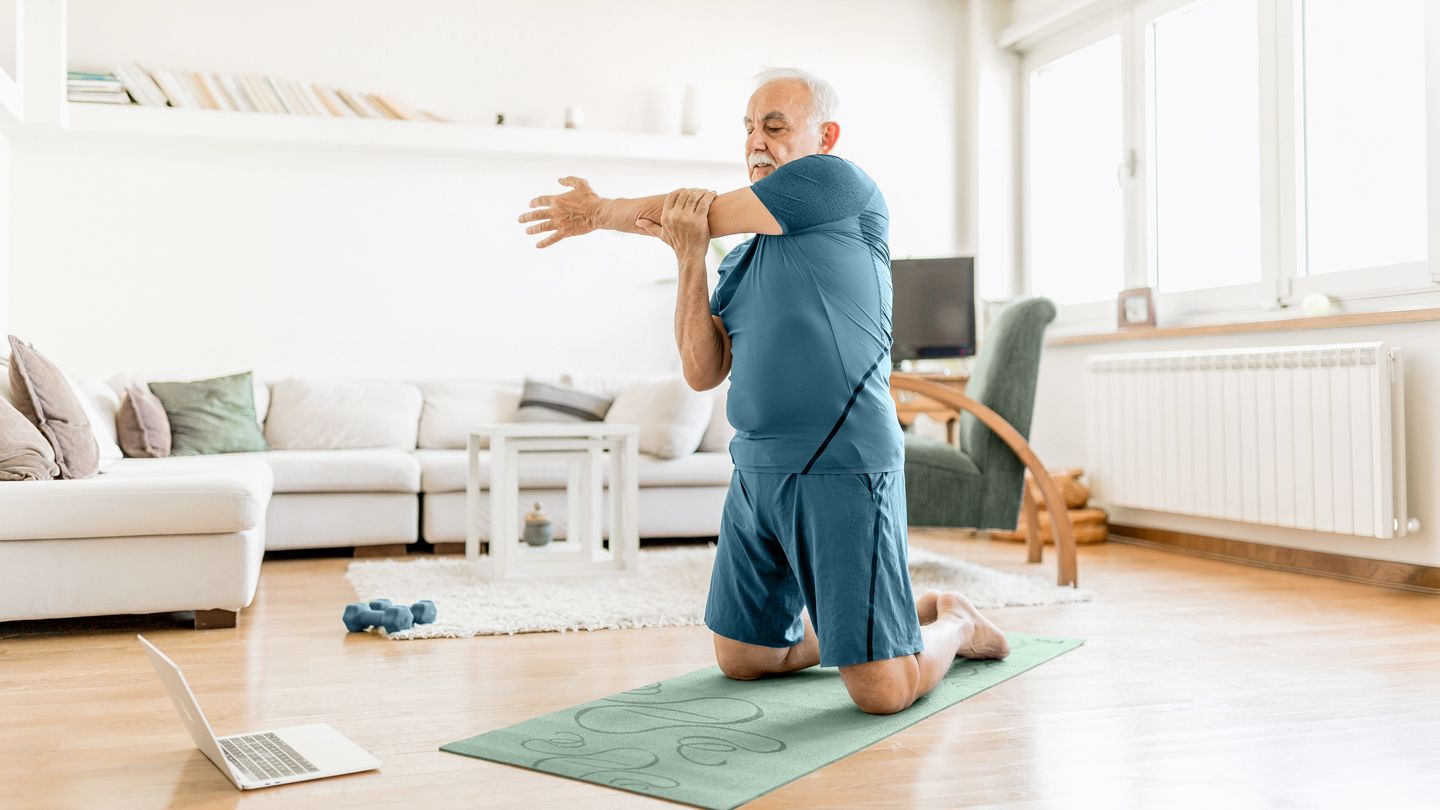
- Mobility Exercises Stretches that gently work your calves, hamstrings, hip flexors, chest muscles, forearms, and hand muscles will reduce stiffness and help you improve your posture. You’ll see the biggest benefits when you hold a stretch for 30 to 60 seconds, taking care not to extend stretches to the point of discomfort.
- Balance Exercises Sometimes called proprioception training, your PT can share appropriate activities to improve your gait and reduce your risk of falling.
Manage Fatigue
You may already be struggling with low energy, and exercising too hard or for too long could make that issue worse. “It is important to avoid pushing past fatigue because a patient with CIDP may take longer to recover from overexertion and has the potential to worsen inflammation, symptoms, and debility,” Kimble says. As you get stronger, you’ll gradually be able to go a little further or a little longer.
Safety and Red Flags
Again, pushing yourself too hard during exercise can potentially worsen your symptoms or slow your recovery. So it’s important to pay close attention to your body and let your care team know if anything starts to seem amiss.
According to Kimble, you should stop exercising, rest, and reevaluate your activity plan if:
- Your symptoms get worse with exercise
- You’re finding that you need to push past pain or fatigue to complete your workout
- You have muscle soreness for 24 hours or more
An exercise plan also isn’t appropriate for people who are medically unstable, having an uncontrolled flare, or are noticing a rapid worsening of symptoms, she adds. Be sure to clear any precautions with your physician before you start PT.
Seek immediate emergency medical attention for more general exercise-related red flags, too, including chest pain, significant shortness of breath, racing heart, or dizziness or lightheadedness.
Read the full article here