Mobility and Balance
A PT with specialized training in neuro rehab can assess how symptoms such as balance changes, decreased coordination, and movement control are affecting your daily mobility.
“From there, we can design interventions to help you move more safely and confidently throughout the day,” says Robyn Wilson, DPT, a neurological physical therapist at Duke Health.
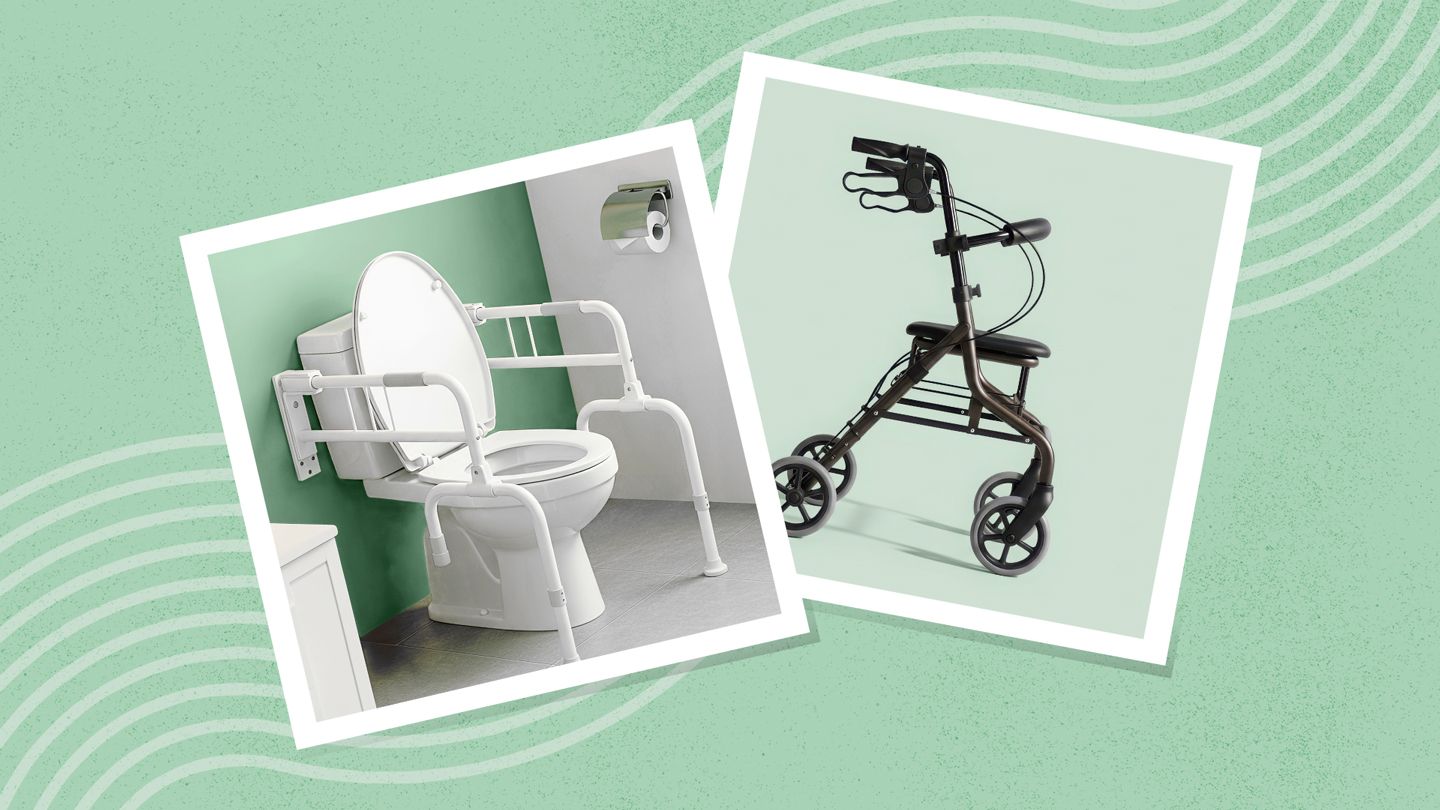
Mobility devices should make walking safer and more manageable — and not just another thing to coordinate. A PT can help decide whether footwear changes, trekking poles, a walker, rollator (a wheeled walker), or wheelchair makes sense based on balance, chorea, thinking changes, and fall risk, says Dr. Wilson.
Ideally, you are meeting with a therapist early-on. The sooner, the better, says Danny Bega, MD, an associate professor and a neurologist who specializes in movement disorders at Northwestern Feinberg School of Medicine in Chicago.
Start With Safer Footwear
Shoes can affect posture, balance, and walking. Helpful features may include:
- A firm, flat heel
- A wide heel base
- A firm heel counter to support the back of the foot
- A bendable forefoot
- Velcro closures if tying laces has become difficult
- High-top sneakers or shoes if ankle support is needed
Thick soles, thick toe grips, flip-flops, and high heels may catch on the floor or make balance harder. Shoes can also wear down quickly in people with Huntington’s disease, so they should be checked regularly.
Choose Walking Aids Carefully
Trekking poles or walking sticks may help some higher-functioning people, but they are not automatically safer.
“Recommendations for these depend on cognition, balance, and chorea. They can often be challenging to coordinate, which can create a distraction and actually hinder balance,” says Wilson.
Canes or walking sticks may be useful early, but once falls occur, a four-wheeled rollator is often recommended. Walking aids are also easier to learn earlier in the disease, even if they are only used occasionally at first.
A wheelchair does not always mean giving up walking. “I will often initially recommend a transport wheelchair for long community distances, and later, if necessary, recommend a comprehensive seating evaluation for a custom wheelchair,” says Wilson.
Read the full article here