The Emotional Side of Psoriasis
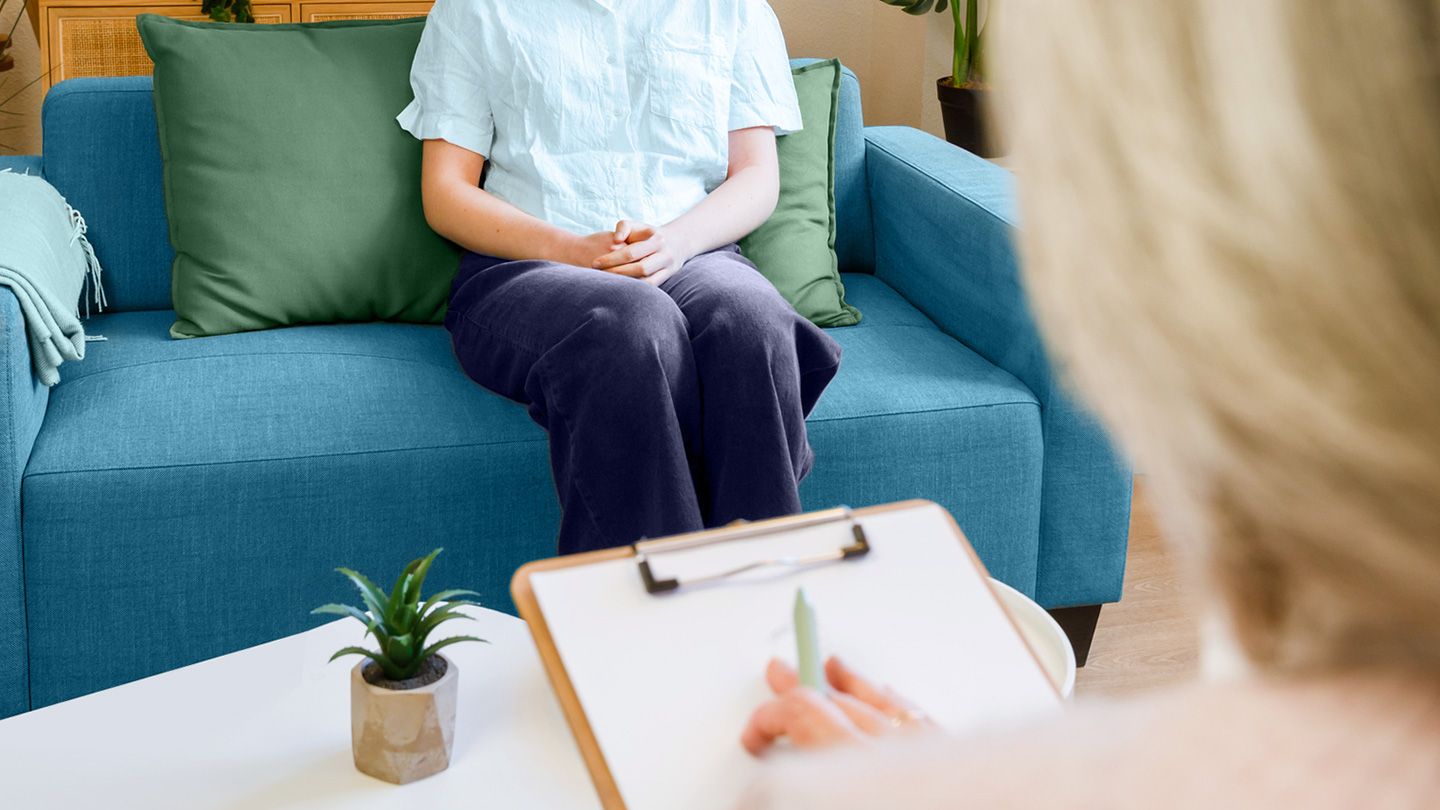
The emotional burden of psoriasis is often overlooked: People with psoriasis have a 40 to 90 percent higher risk of encountering stress, substance abuse, anxiety, or depression than the general public. The risk increases with disease severity.
“As a chronic, immune-mediated condition with a relapsing-remitting course, psoriasis exerts continuous pressure on a person’s mental well-being,” says Mohammad Jafferany, MD, a professor of psychodermatology, psychiatry, and behavioral sciences at Central Michigan University College of Medicine in Saginaw and the president of the Association for Psychoneurocutaneous Medicine of North America.
One of the biggest emotional challenges can be stigma surrounding visible skin lesions. Psoriasis plaques often appear on the face, scalp, hands, elbows and legs, making them difficult to hide. “This can lead to social withdrawal, embarrassment, avoidance of intimate relationships, and reduced participation in work and social activities,” Dr. Jafferany says.
Unpredictability can also take a toll. Psoriasis flare-ups may happen without warning, leaving people feeling anxious or powerless. “Patients often describe a sense of loss of control over their own bodies, resulting in high anxiety, and they are always in fear of relapses,” Jafferany says.
There is a biological element, too, according to Francisco Tausk, MD, a professor of dermatology at the University of Rochester in New York, where he began a multispecialty clinic in dermatology and psychiatry treating people with complicated disease, such as psoriasis and psoriatic arthritis.
Psoriasis has been linked to depression in part because both conditions involve overlapping inflammatory pathways and biomarkers, including TNF, IL6, IL1, and IL17. “From that point, they come together,” Dr. Tausk says.
And when either skin health or mental health worsen, it affects the other. “There is a bidirectional connection between them, since the stigmatization, the disfigurement, and the itch tend to exacerbate depression and anxiety, and on the other hand, depression and anxiety make the skin worse,” he says.
Read the full article here